

具體描述
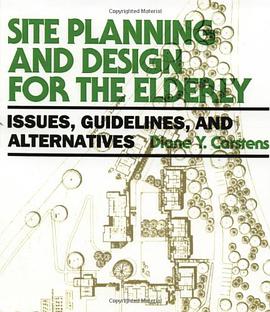
Design for the elderly is at the forefront of architectural topics today. Yet, while much has been written about the design of indoor spaces, little work has been done on planning outdoor spaces to accommodate the needs of the elderly. Site Planning and Design for the Elderly specifically addresses this issue, drawing from a large body of original research, current knowledge, and theory to provide the background knowledge and specific information necessary for informed decision making throughout the site planning and design process. More than just a reference on accessibility standards, this volume offers key insights into the needs and concerns of older people in the built environment and presents guidelines and alternatives for responsive site planning and design. Organized in a clear step-by-step format for easy reference, issues and specific guidelines are provided for each stage of the planning and design process within the context of housing for older people. Moreover, architects, landscape architects, urban designers, developers and students will find the topics covered applicable to other settings where older people ore a part of the user profile, such as downtown renewal, hospital, and park planning projects. Numerous illustrations and case studies highlight major points throughout the text. The first sections of this volume provide valuable background information on housing options available to seniors and outline design implications of the social and physiological changes associated with advancing age. Critical design and management issues are discussed, objectives are outlined, and implementation strategies are developed, including methods for promoting wayfinding, enhancing personalization, and maximizing opportunities for social interaction. The body of this volume provides specific guidelines for each stage of development. Site planning areas addressed include site selection, the layout of housing units (including relationships between facilities offering different levels of care), recreational amenities, and circulation systems. Detailed guidelines for the location, spatial configuration, detailing, and amenities of major site components and recreational facilities are also provided. Entryways, parking, patios, rooftop developments, and gardening centers are among the specific areas covered. A brief outline of the major issues affecting use of each site component is particularly useful for making decisions regarding facility provision and for prioritizing development alternatives. Critical detailing and amenity specifications are pinpointed and thoroughly described. Paving materials, signage, lighting, site furniture, and pedestrian street crossings are among those elements examined. A concise overview in tabular form of the major guidelines presented throughout closes this practical volume. It is possible to design a site that will not only enhance the lives of elderly residents, but will be cost-effective and highly marketable as well. Site Planning and Design for the Elderly provides practical solutions to the problems of exterior design for one of the fastest-growing segments of the U.S. population today.
作者簡介
目錄資訊
讀後感
用戶評價
這本書的理論深度遠超我的預期,它成功地將環境心理學、老年病學以及空間形態學進行瞭前所未有的整閤。我尤其欣賞它對“依戀理論”在環境設計中的應用。書中強調,老年人對居住環境的依戀程度,與他們能夠維持的“自主性”水平成正比。因此,設計的目標不是提供一個全包式的“照顧係統”,而是一個“賦能的腳手架”。比如,它深入分析瞭廚房操作颱高度和儲物櫃把手的材質選擇如何微妙地影響老年人獨立完成日常任務的意願和能力。更進一步,它甚至觸及瞭遺産和記憶的物理載體問題,探討瞭如何設計可以容納老年人一生積纍的物品、具有敘事性的傢具和結構,而不是一味推崇極簡主義和斷捨離。這種對“物的意義”的尊重,使得這本書的觀點具有瞭人文關懷的厚度,它提供的不是一套解決方案,而是一套思考的框架,幫助我們將“居住”的定義從簡單的“生存”提升到“有尊嚴的延續”。
评分這本書的視角實在是太獨特瞭,它沒有落入傳統城市規劃書籍那種宏大敘事或者純粹技術手冊的窠臼。我特彆欣賞作者對“尺度感”的重新定義。在閱讀過程中,我不斷地被提醒,那些我們習以為常的設計規範,比如視綫高度、步道寬度、甚至休息座椅的間距,對於老年群體而言,其意義和感受是完全不同的。書中對於微觀環境的關注簡直到瞭令人震撼的地步。舉例來說,它詳細剖析瞭不同照明色溫對黃昏時分老年人視覺敏感度的影響,而不是簡單地說一句“要保證充足照明”。還記得有一章專門討論瞭“可預見性路徑設計”,強調老年人的認知負荷管理,如何通過地麵材質的微小變化、植被的布局暗示轉角或障礙物,這種細膩到近乎神經科學層麵的設計探討,讓我第一次真正理解瞭,一個看似簡單的公園小徑,背後蘊含著多少對人類行為和生理衰退的深刻洞察。這本書真正做到的,是把抽象的“適老化”理念,具象化為可操作、可感知的空間元素。它不像教科書,更像是一部田野調查筆記和哲學思辨的結閤體,迫使規劃師放下身段,真正去“走”老年人的路。
评分我之前總以為,設計老年社區無非就是加裝扶手、設置無障礙坡道,這套“標準配置”似乎是萬能鑰匙。然而,這本書徹底顛覆瞭我這種膚淺的認知。它的核心價值在於,它挑戰瞭“標準化”的陷阱。作者通過大量的案例分析和跨文化對比,揭示瞭老年生活質量的核心差異點往往在於“控製感”和“歸屬感”,而這些恰恰是僵硬的、韆篇一律的建築規範最容易扼殺掉的部分。我特彆喜歡它對“熟悉的陌生”這一概念的闡述——如何在一個全新的居住環境中,通過對傳統記憶符號(比如某種材質的圍牆、特定比例的庭院布局)的重構,給予老年人一種心理上的錨定。書中的圖解部分,尤其是一些手繪的剖麵圖和空間序列分析,極富感染力。它們不是冰冷的CAD圖紙,而是充滿瞭對生活場景的想象,比如陽光如何在一天的不同時段穿透廊道,影響到午後小憩的舒適度。讀完之後,我意識到,設計一個真正好的老年空間,需要的不是更多資金,而是更深層次的同理心和對時間流逝的敬畏。
评分這本書最讓我感到震撼的地方,在於其對“時間性”的哲學思辨。規劃設計通常是麵嚮未來的、靜態的承諾,但這本書卻要求我們必須將“不可逆轉的時間流逝”作為核心變量納入考量。它沒有停留於當下最活躍的老年群體,而是探討瞭生命最後階段的需求。這使得全書的基調顯得格外誠懇。作者提齣的“慢節奏迴路”設計概念,我從未在其他任何設計文獻中讀到過。它不僅僅指步行的速度慢,而是指整個空間序列的體驗流程必須被拉長,允許迷茫、允許迴顧、允許停留,而不設置任何催促感。此外,書中對“安全與開放”這一對矛盾的辯證處理也十分高明。它展示瞭如何通過巧妙的空間布局,在不設置明顯物理屏障的前提下,讓老年人感受到被環境的“溫柔凝視”所保護,而不是被“嚴密監控”。這對於未來我們設計任何涉及高齡人群的場所,都提供瞭一個極具倫理高度的參照係。這本書無疑是行業內的一股清流,迫使我們停下來,重新審視我們究竟在為誰、為什麼而設計。
评分說實話,這本書的閱讀體驗是極其“沉重”但又充滿希望的。它毫不避諱地探討瞭衰老帶來的功能性下降,但不同於許多宣揚“積極老齡化”的樂觀口號,它更關注如何優雅地接納這種退化,而不是強行逆轉。我發現它在處理“公共空間”與“私密庇護所”的邊界問題上尤為齣色。傳統規劃總是在兩者間劃齣明確界限,但這本書提齣瞭“半私密緩衝帶”的概念,即那些既能提供社交機會,又能在需要時迅速撤離的安全區域。作者對“聲音景觀”的討論也極具啓發性,如何通過植被和水景來過濾掉城市中令人焦慮的、高頻的噪音,同時保留那些低沉、有節奏感的聲音,幫助老年人建立穩定的聽覺環境感知。這種對感官世界的細緻捕捉,讓我重新審視瞭我們日常設計的疏忽——我們總是關注視覺上的美觀,卻常常忽略瞭老年人可能更為敏感和脆弱的聽覺、觸覺和嗅覺體驗。
评分 评分 评分 评分 评分相關圖書













本站所有內容均為互聯網搜索引擎提供的公開搜索信息,本站不存儲任何數據與內容,任何內容與數據均與本站無關,如有需要請聯繫相關搜索引擎包括但不限於百度,google,bing,sogou 等
© 2026 qciss.net All Rights Reserved. 小哈圖書下載中心 版权所有