
具体描述
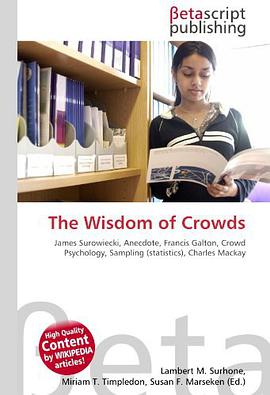
While our culture generally trusts experts and distrusts the wisdom of the masses, New Yorker business columnist Surowiecki argues that "under the right circumstances, groups are remarkably intelligent, and are often smarter than the smartest people in them." To support this almost counterintuitive proposition, Surowiecki explores problems involving cognition (we're all trying to identify a correct answer), coordination (we need to synchronize our individual activities with others) and cooperation (we have to act together despite our self-interest). His rubric, then, covers a range of problems, including driving in traffic, competing on TV game shows, maximizing stock market performance, voting for political candidates, navigating busy sidewalks, tracking SARS and designing Internet search engines like Google. If four basic conditions are met, a crowd's "collective intelligence" will produce better outcomes than a small group of experts, Surowiecki says, even if members of the crowd don't know all the facts or choose, individually, to act irrationally. "Wise crowds" need (1) diversity of opinion; (2) independence of members from one another; (3) decentralization; and (4) a good method for aggregating opinions. The diversity brings in different information; independence keeps people from being swayed by a single opinion leader; people's errors balance each other out; and including all opinions guarantees that the results are "smarter" than if a single expert had been in charge. Surowiecki's style is pleasantly informal, a tactical disguise for what might otherwise be rather dense material. He offers a great introduction to applied behavioral economics and game theory.
Copyright © Reed Business Information, a division of Reed Elsevier Inc. All rights reserved.
作者简介
詹姆斯•索罗维基(James Surowiecki)
《纽约客》杂志特约撰稿人。他的文章见诸很多出版物,包括《纽约时报》《华尔街日报》《艺术论坛报》《连线》杂志和《候选人名单》杂志。索罗维基最初在《纽约客》杂志的“金融专版”阐述了群体智慧的思想,回答了美国社会长期以来对群体智慧和团队决策能力的质疑。
目录信息
读后感
作者举了很多例子证明了,在适当的条件下,群体的智慧是出色的(猜糖豆、电子市场),也举了很多反例,论述了在一些环境中,群体又是非常愚蠢,甚至疯狂的(泡沫、暴民)。在讨论群体的智慧时,本书把问题对象分为三类:认知问题、协调问题与合作问题。 在解决认知问题时,...
春秋时,齐国曾几乎被燕国灭掉,在逃难中,田单把车轴外面的木头锯掉,得以脱身,而其他人则因这段木头太长,相互搅在一起,只好集体束手就擒。 改装一下车辆,这不需要很高明的思考,可为什么只有田单做到了呢?难道他比别人都聪明? 在生活中,我们经常可以看到这样的现象...
作者举了很多例子证明了,在适当的条件下,群体的智慧是出色的(猜糖豆、电子市场),也举了很多反例,论述了在一些环境中,群体又是非常愚蠢,甚至疯狂的(泡沫、暴民)。在讨论群体的智慧时,本书把问题对象分为三类:认知问题、协调问题与合作问题。 在解决认知问题时,...
《The Wisdom of Crowds》是James Surowiecki于2004年写就的,彼时,Web2.0还是新生事物,他还得用猜公牛体重的逸闻趣事、猜豆子的实验来佐证群体智慧的主张。而今,群体智慧的应用则俯拾皆是,不胜枚举:譬如Google的PageRank,Wiki, Imdb的推荐影片和豆瓣的推荐阅读等等。 要...
用户评价
这本书的标题《The Wisdom of Crowds》让我一直充满好奇,它承诺了一个关于集体智慧的深刻洞察。我一直对社会现象和人类行为的集体层面充满兴趣,而这本书似乎正好触及了这一核心。我预计作者会通过严谨的逻辑和丰富的案例,来论证“群体”如何在某些情况下超越个体的判断力。我猜想书中会涉及一些经典的思想实验和历史事件,比如著名的“猜重比赛”或者华尔街的股票市场,这些都是展示群体行为有趣而复杂性的绝佳例子。但我同时也对“何时”以及“为何”群体智慧会失效的讨论抱有很高的期待。这本书是否有提到群体盲从、信息茧房或者决策过度的风险?如果它能够深入剖析这些负面效应,并且提出相应的规避策略,那将是这本书的另一个亮点。我希望这本书不仅是理论的探讨,更能为我提供一些在现实生活中识别和利用群体智慧的工具,让我能够在工作、生活乃至社会交往中,做出更明智的判断和选择。这本书的价值,或许就在于它能让我们看到隐藏在日常喧嚣背后的秩序和规律。
读完《The Wisdom of Crowds》,我感觉自己仿佛经历了一场思维的洗礼。这本书以一种非常引人入胜的方式,将原本抽象的“群体智慧”这个概念具象化,并且通过一系列生动有趣的案例,让我看到了它在我们生活中的巨大影响力。作者并没有直接告诉你“什么才是对的”,而是引导你去观察、去思考,然后自己得出结论。这种互动式的阅读体验,让我感觉自己不再是被动接受知识,而是真正参与到了探索之中。书中对于“群体”的定义和分类,也让我耳目一新,原来并非所有的群体都具备智慧,其中的关键在于群体内部的独立性、多样性以及形成决策的机制。这一点至关重要,它解释了为什么有时群体的决策会失灵,也揭示了如何才能让群体的智慧得到最大程度的发挥。我尤其喜欢书中对于“认知偏差”和“信息不对称”的分析,这些都是阻碍群体做出明智决策的常见因素,而作者提供的解决方案,既有理论上的深度,又有实践上的可操作性。总而言之,这是一本让我受益匪浅的书,它不仅拓宽了我的视野,更提升了我认识和理解世界的能力。
当我看到《The Wisdom of Crowds》这个书名的时候,我的第一反应是:这简直是直击我内心深处的一个疑问。我们总是被教育要独立思考,要相信自己的判断,但同时,我们在现实生活中又常常能看到,群体所做出的决策,在很多情况下,确实比任何一个单独的个体都要来得更全面、更准确。这本书究竟是如何解释这一现象的呢?我非常期待作者能够深入分析“群体”这个概念的构成要素,以及是什么样的条件才能促使“群体”展现出它的智慧。是信息的聚合?是观点的碰撞?还是某种潜移默化的社会机制?我希望书中能够提供一些具体的案例,来支撑作者的观点,例如一些成功的预测、一些高效的协作,甚至是某些复杂问题的解决之道。同时,我也好奇,这本书是否会探讨“群体”的反面——群体愚蠢。在什么情况下,群体反而会走向错误的深渊?如何才能避免这种“乌合之众”的命运?这些都是我非常想从这本书中找到答案的问题。这本书的价值,或许就在于它能够帮助我们拨开迷雾,看到隐藏在纷繁复杂信息背后的,那股不可忽视的群体力量。
这本书我早就听说过了,一直想找时间仔细读一读。从书名《The Wisdom of Crowds》来看,就充满了哲学意味,让人忍不住去思考“群体的智慧”究竟是如何运作的,又是否真的如书名所暗示的那样,总能做出比个体更明智的判断。我特别好奇作者是如何从不同的角度来阐述这个概念的。是会从历史事件中寻找证据,还是会引用大量的心理学和社会学研究?我猜测作者会深入探讨一些我们日常生活中常常忽略的现象,比如股票市场的波动、流行趋势的形成,甚至是某些政治决策的演变,都可能与群体的集体判断息息相关。我期待这本书能够提供一些颠覆性的见解,让我重新审视那些看似微不足道的集体行为,并从中看到一种更宏大、更普遍的智慧。我希望这本书不仅仅停留在理论层面,而是能提供一些实际应用的案例,让我们在面对复杂问题时,能够更好地利用群体的力量,做出更优的决策。毕竟,在当今信息爆炸的时代,我们每天都被各种信息淹没,如何筛选、如何判断,甚至如何合作,都变得越来越重要。这本书的出现,无疑为我们提供了一个思考的框架,一个探索未知领域的新视角。我迫不及待地想翻开它,让智慧的洪流带我遨游。
《The Wisdom of Crowds》这本书,我是在一个偶然的机会下被它的书名所吸引的。我当时在思考,为什么有时候我们会看到一些看似不可思议的集体行为,而这些行为最终却能导向一个相对合理的结果。这本书无疑为我提供了这样一个思考的切入点。我猜想书中会通过大量的实证研究和跨学科的视角,来探讨“群体”是如何汇聚信息、处理不确定性,并最终达成一个相对优的决策的。我期待书中能够解释,究竟是什么样的机制,能够让无数个体的声音汇聚成一股强大的智慧力量。同时,我也很好奇,在信息传播越来越发达的今天,群体智慧是否会面临新的挑战,例如虚假信息的传播、群体极化等问题。如果书中能够对这些当代议题进行探讨,并提出相应的解决方案,那这本书的价值将会得到极大的提升。总的来说,我希望这本书能够打开我认识世界的新视角,让我更加深刻地理解人类社会的运行规律,并从中获得启示,更好地指导我的生活和工作。
有种穿越时光看过去的人如何群情激昂的感觉。。。。
有种穿越时光看过去的人如何群情激昂的感觉。。。。
有种穿越时光看过去的人如何群情激昂的感觉。。。。
有种穿越时光看过去的人如何群情激昂的感觉。。。。
有种穿越时光看过去的人如何群情激昂的感觉。。。。