
具体描述
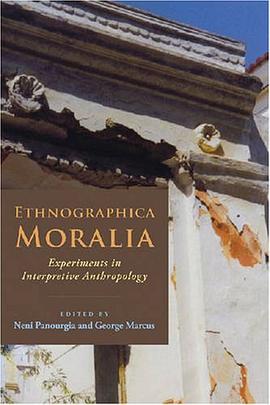
Clifford Geertz, in his 1973 Interpretation of Cultures, brought about an epistemological revolution unprecedented since Lvi-Strauss's structuralism. In place of Lvi-Strauss's deep structures, Geertz placed deep meaningsand thick descriptions,in a synthesis of the American tradition of cultural anthropology and new qualitative approaches in the humanities. He powerfully synthesized and gave the heart of anthropology's tradition a new and enriched conceptual language that came to be known as interpretive anthropologyand that placed meaning over form in the center of social analysis. This book maps the circuits of crossfertilizations among disciplines in the humanities and social sciences that have developed from Geertz's interpretive turn.Panourgia and Marcus bring together anthropologists working in various parts of the world (Greece, Bali, Taiwan, the United States) with classicists, historians, and scholars in cultural studies. The volume takes into account global realities such as 9/11 and the opening of the Cypriot Green Line and explores the different ways in which Geertz's anthropology has shaped the pedagogy of their disciplines and enabled discussions among them. Focusing on place and time, locations and temporalities, the essays in this volume interrogate the fixity of interpretation and open new spaces of inquiry. The volume addresses a wide audience fromthe humanities and the social sciences-anyone interested in the development of a new humanism that will relocate the human as a subject of social action.
作者简介
Neni Panourgiá is Associate Professor of Anthropology at Columbia University. She has published Fragments of Death, Fables of Identity: An Athenian Anthropography, winner of the Grand Jury Prize of the International Society of Ethnohistory and co-winner of the Chicago Folklore Prize.
George Marcus is Chancellor’s Professor of Anthropology at the University of California, Irvine. He is the author of Ethnography Through Thick and Thin, Writing Culture: The Politics and Poetics of Ethnography (with James Clifford), Anthropology as Cultural Critique: An Experimental Movement in the Social Sciences (with Michael Fischer), and editor of Critical Anthropology Now: Unexpected Contexts, Shifting Constituencies, Changing Agendas.
目录信息
读后感
用户评价
这本书的开篇就将我牢牢地吸引住了。作者的叙事笔触非常细腻,仿佛能让我亲身感受到故事中人物的情感起伏和所处的文化脉络。它不仅仅是在讲述一个关于“他者”的故事,更像是一面映照我们自身社会习俗和道德观念的镜子。书中对那些看似微不足道的日常行为进行了深入的挖掘和解构,揭示了隐藏在这些行为背下的复杂的人类动机与规范体系。我尤其欣赏作者在处理文化差异时的那种克制与尊重,没有用居高临下的姿态去评判,而是以一种近乎谦卑的好奇心去观察和记录。这种处理方式使得整部作品在学术的严谨性与人文的温度之间找到了一个绝佳的平衡点。读完之后,我发现自己看待世界的方式都有了一些微妙的转变,那些曾经被我视为理所当然的“常识”,现在都带上了一层值得玩味的滤镜。这本书无疑为我提供了一个全新的认知框架,让我对人类行为的复杂性有了更深层次的理解,非常值得那些对文化人类学或社会哲学感兴趣的读者细细品味。
老实说,这本书的阅读体验是相当具有挑战性的,但这种挑战感恰恰是其魅力所在。它不像那种流畅易读的小说,需要读者投入大量的智力资源去梳理作者构建的庞大概念体系。初读时,我甚至需要频繁地查阅注释和参考资料,才能跟上作者那跳跃性的逻辑推演。它更像是一场智力上的攀登,每向上一步,都能带来更开阔的视野。作者似乎热衷于使用大量的专业术语和晦涩的论证结构,这无疑会劝退一部分轻松阅读的爱好者。然而,一旦跨过了最初的门槛,你会发现其论证的力量是极其强大的。它不是在安慰你的既有认知,而是在系统性地瓦解它们,迫使你重新审视一些被遗忘已久的基础性问题。对于那些追求思想深度,不畏惧复杂文本的读者而言,这本书无疑是一次知识的盛宴,它提供的洞察力是罕见且持久的。
这本书的排版和装帧设计给我留下了深刻印象,简洁而又不失格调,拿在手里就有一种庄重感。内容方面,作者的语言风格出乎意料地富有文学性,尽管探讨的是严肃的学术议题,但其文字的韵律和节奏感却非常强,读起来有种古典诗歌般的韵味。我特别喜欢作者在章节过渡时所使用的那些精妙的引述和场景描摹,它们像小型的艺术品,将原本可能枯燥的理论论述点缀得生动活泼。它成功地将田野调查的生动性与严密的哲学思辨熔于一炉。我常常在某个句子前停下来,反复默读,体会那种精确的措辞背后所蕴含的巨大信息量。这种对语言本身的精雕细琢,使得这本书不仅仅是一份知识的传递,更像是一件精心打磨的艺术品,适合那些既看重内容深度,也注重阅读美感的读者。
我必须坦诚,这本书在某些章节的论述上显得有些过于学术化和内行化,对于一个仅仅是带着一般兴趣的普通读者来说,门槛设置得略高了。有些地方的论证过于侧重于对特定理论流派的批判与继承,导致上下文的衔接不够平滑,读起来颇有些“隔着一层玻璃”的感觉,难以完全沉浸其中。尽管如此,这本书的价值依然不容忽视,尤其是在它对某个特定社会现象的剖析上,展现了惊人的穿透力。作者似乎拥有将宏大理论拆解到最微观的实践层面的魔力,让人不得不佩服其观察力的锐利。如果你是该领域的研究人员,这本书无疑是必读的经典,但如果只是想了解一个概貌,建议先阅读一些导论性质的辅助材料,否则可能会在细节的泥沼中迷失方向。
读完这本书,我最大的感受是震撼于作者那种近乎于百科全书式的知识广度。它仿佛信手拈来,就能将古代的神话、近代的历史变迁、当代的政治经济结构,以及人类学的经典理论融会贯通,构建出一个令人叹服的分析框架。这种跨学科的视野使得我对所研究的主题有了更立体、更动态的理解。作者在构建自己的理论时,引用的材料来源之丰富,论证的广度之惊人,是我在近年来的阅读中极为少见的。它让人意识到,任何单一学科的视角都是有限的,真正的智慧在于那些能够打破藩篱、进行高维整合的能力。这本书与其说是一部专著,不如说是一份关于如何进行深度思考的示范教材,它挑战的不是你“知道”什么,而是你“如何”去思考“已知”的事物。