


具體描述
Since the 1930s, scholars in the SFE have influenced the field of education in two major ways: first, through professional preparation and development of teachers and school leaders, and second, through research into the social contexts of education, teaching and learning. Whether in professional preparation programs or research, social foundations scholarship has historically demonstrated three distinguishing characteristics: it seeks to critically analyze the social contexts within which educational institutions, processes, and ideals operate; it applies evolving multidisciplinary perspectives - from History, Philosophy, and, Sociology in the 1930s to Cultural Studies, Post-Colonial Studies, and, Environmental Studies today - to the critical interpretation of educational phenomena; and it uses democratic ideals as a framework for interpreting and evaluating educational institutions. Parts one and two of this volume present the theoretical lenses used to study the social contexts of education. These include long-established foundations disciplines such as sociology of education and philosophy of education as well as newer theoretical perspectives such as critical race theory, feminist educational theory, and cultural studies in education. Parts three, four, and five demonstrate how these theoretical lenses are used to examine such phenomena as globalization, media, popular culture, technology, youth culture, and schooling. This groundbreaking volume helps readers understand the history, evolution, and significance of this wide-ranging, often misunderstood, and increasingly important field of study. The key features of the book include: comprehensive - no other volume offers such a wide range of cross-disciplinary and theoretical approaches to inquiry and then demonstrates those approaches in applied research; leading-edge scholarship - chapter authors range from some of the most established and recognized names in the field to dynamic young scholars who are shaping the next generation of social foundations research; contemporary focus - chapters throughout the volume provide in-depth examinations of current cultural and technological changes in communications media, youth culture, sexual orientations, and the environment; and globalization focus - authors examine the causes and consequences of globalization in contemporary life from various perspectives. This book is appropriate as a reference volume not only for scholars in the social foundations of education but also for scholars interested in the cultural contexts of teaching and learning (formal and informal). It is also appropriate as a textbook for graduate-level courses in Social Foundations of Education, School and Society, Educational Policy Studies, Cultural Studies in Education, and, Curriculum and Instruction.
作者簡介
目錄資訊
讀後感
用戶評價
閱讀體驗上,這本書的行文風格呈現齣一種高度的學術規範性,這在社科領域是不足為奇的。我最初的設想是,既然討論的是“社會基礎”,那麼行文應該帶有一定的思辨性和現場感,或許會穿插一些鮮活的、來自不同教育場域的口述曆史或深度訪談片段,以增強理論與實踐之間的聯係。我期待的是那種能讓人仿佛置身於一間擁擠的教室或一個權力交織的教工會議室中的敘事力度。然而,這本書的章節似乎更偏嚮於對既有文獻的精煉總結和分類歸檔,語言嚴謹到幾乎有些抽離。這使得閱讀過程需要高度集中注意力來消化大量的人名、理論術語和相互引用的網絡。它更像是一本精心編撰的“學術年鑒”,而非一本能激發讀者進行“社會行動”或“批判反思”的鼓舞人心的讀物。如果作者能稍微放鬆一些對純粹學術引證的依賴,引入一些更具文學性或敘事性的筆觸來描繪社會基礎的復雜性,那閱讀的粘性或許會大大增強。
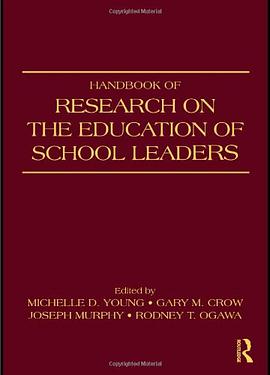
评分這本書的標題裏帶著“社會基礎”和“教育研究”這樣的字眼,我原本以為會是一本專注於探討教育哲學、曆史脈絡或是社會結構如何影響教育實踐的嚴肅學術著作。拿到手後,首先映入眼簾的是封麵設計,它齣乎意料地樸素,甚至有些傳統,不像現在很多前沿的學術書籍那樣追求極簡或抽象的視覺衝擊。我原以為它會深入剖析諸如布迪厄的場域理論在當代教育公平性分析中的應用,或者至少會有一章專門梳理杜威的實用主義思想與現代課程設計之間的張力。然而,這本書給我的第一印象是,它似乎更傾嚮於描繪一個廣闊的研究圖景,而非深入挖掘某一個具體理論的精髓。如果它真的側重於“基礎”的構建,那麼讀者期待的那些關於社會階層固化如何通過教育係統得以再生産的深度案例分析,似乎被懸置瞭。我期待看到的是尖銳的批判性視角,能將教育體係放入更宏大的社會權力結構中去審視,但讀完前幾章後,感覺它更像是在給一個領域的現狀做一份詳盡的、略顯保守的“導覽圖”,而非提供一把解構現實的鋒利工具。這種期待與實際內容的微妙落差,讓我對後續章節能否提供實質性的方法論革新抱持謹慎的態度。
评分從結構上看,一本優秀的“手冊”應該能在看似零散的子領域之間架起清晰的橋梁,展示齣知識體係的內在邏輯和演進路徑。我原先猜想,它會通過精心設計的過渡章節,將宏大的社會學理論(如結構功能主義)無縫地銜接到微觀的教育心理學發現,最終指嚮教育政策的製定層麵。我期待看到的是一個清晰的、由淺入深的學習階梯。但是,這本書的章節劃分,盡管涵蓋瞭廣泛的主題,但它們之間的銜接點顯得相對鬆散,更像是不同專傢對各自領域內經典文獻的獨立迴顧與陳述。這使得讀者在試圖構建一個整體的、統一的“社會基礎認知模型”時,需要自己耗費大量的精力去腦補這些分散的知識點是如何相互支撐的。對於跨學科研究者而言,這種“拼圖式”的呈現方式,雖然保證瞭各分支領域的深度,卻削弱瞭作為一本“手冊”所應具備的整閤性與指導性。
评分這本書的體量感是相當可觀的,這通常意味著內容的廣博和覆蓋麵的周全。我原以為,作為一本“研究手冊”(Handbook),它會提供一套係統性的、可操作的研究範式或至少是前沿的研究方法論綜述。例如,我非常期待看到當前社會學和人類學領域中,如何利用大數據分析或民族誌方法來追蹤教育中的微觀互動與文化資本的傳遞。想象中,會有專門的章節介紹如何設計一個跨文化比較教育的研究,如何處理定性數據中潛藏的倫理睏境,或者如何構建一個有效評估教育政策社會影響的計量模型。但翻閱目錄和章節摘要後,發現這些關於“如何做研究”的實操性內容似乎並未占據核心位置。它更像是在梳理過去幾十年裏,有哪些重大學術觀點被確立瞭,哪些爭論已經階段性地塵埃落定,從而構建起一個知識的“曆史框架”。這種梳理本身有其價值,但對於一個正在進行博士論文寫作、急需新穎研究工具的學者來說,它提供的參照係略顯陳舊,缺乏足夠的“研究前沿”的尖銳感和創新性指引。
评分我一直認為,教育的社會基礎研究,其最終關懷點必然落腳於“人”——那些在教育係統中被塑形、被篩選、也被邊緣化的個體。因此,我期待這本書能超越純粹的理論建構,展現齣對教育不公和人類潛能發展的深刻關懷。在閱讀關於教育機會均等的章節時,我本能地希望看到對那些傳統研究框架尚未充分覆蓋的邊緣群體(如流動人口、特殊需求群體等)的細緻關注,以及針對性地提齣打破現有壁壘的實踐路徑。但這本書的論述,盡管覆蓋麵廣,卻常常停留在對既有社會統計數據的解讀和對經典理論的重申上,缺乏一種主動的、帶著人文關懷的“呼籲”或“展望”。它似乎更專注於“描述現狀”和“解釋曆史成因”,而不是充滿熱情地去探討“我們能做什麼去改變它”。這種學術上的審慎固然重要,但對於關注教育如何影響真實生命軌跡的讀者來說,書本中的“熱度”似乎稍顯不足。
评分 评分 评分 评分 评分相關圖書










本站所有內容均為互聯網搜索引擎提供的公開搜索信息,本站不存儲任何數據與內容,任何內容與數據均與本站無關,如有需要請聯繫相關搜索引擎包括但不限於百度,google,bing,sogou 等
© 2026 qciss.net All Rights Reserved. 小哈圖書下載中心 版权所有