
具体描述
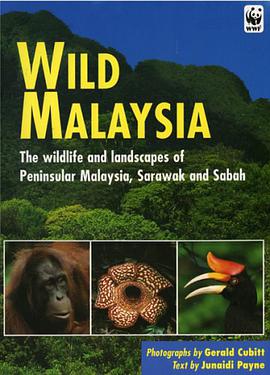
"Wild Malaysia" is a major new pictorial study of the natural history of southeast Asia's southernmost peninsula and offshore islands, which are home to an enormous wealth of species. Produced in association with the World Wide Fund for Nature, it is illustrated with 400 superb full-color plates taken especially for this book, of plants, insects and other invertebrates, fish, reptiles, frogs, birds, and mammals, each in its natural habitat. "Wild Malaysia "offers a general yet accurate introduction to this spectacularly scenic region and its national parks. Malaysia's tropical islands, topped by rainforest and ringed by coral reefs and transparent blue seas, are as beautiful and untouched as anywhere in the world. Its vast and exotic wildlife encompasses elephants and the world's smallest rhinoceros, a profusion of monkeys and apes (including proboscis and leaf monkeys, gibbons, and orangutans), the slow loris and the tarsier, the clouded leopard and the sunbear, bats and reptiles, a spectacular variety of bird and marine life, and over 10,000 species of plants. An extensive introduction examines the topography, history, climate, and peoples of Malaysia and includes important discussions of the relationship between man and forest, between conservation and development. Sections on animal and plant life provide an overview of the multiplicity of species to be found. And in "A Walk through the Rainforest," Junaidi Payne explains the complex interdependence of the forest ecosystem, details Malaysia's conservation programs, and the plans to create new reserves and protected areas not only in the forest but on the islands and surrounding seas as well. Individual chapters describe peninsularMalaysia's islands, coastal areas, and hill forest (many of which have been designated as national parks), Sarawak's great rivers and cave systems, and Sabah's offshore islands with their coral reefs, marine life, and exotic flora. There is also a complete list of conservation areas. Gerald Cubitt is one of the world's leading natural history photographers. Junaidi Payne is a professional conservation biologist and Senior Scientific Officer with World Wide Fund Malaysia. He is coauthor with Charles M. Francis of "A Field Guide to the Mammals of Borneo,"
作者简介
目录信息
读后感
用户评价
这本书简直就是一场视觉与知识的盛宴!我一打开封面,就被那些令人惊叹的野生动物摄影作品深深吸引住了。那种细节的捕捉,光影的运用,简直达到了艺术品的级别。我感觉自己仿佛真的置身于婆罗洲茂密的雨林之中,能感受到空气中湿润的雾气,听到长鼻猴的叫声。作者对马来西亚生态系统的理解极其深刻,从宏观的地理分布到微观的物种互动,都有着非常详尽且富有洞察力的描述。尤其让我印象深刻的是关于红毛猩猩保护现状的章节,文字既充满了学术的严谨性,又饱含了对这些智慧生物的深切关怀。读完之后,我对马来西亚的生物多样性有了全新的认识,不仅仅是书本上的知识点,更是一种发自内心的敬畏。这本书不仅仅是一本自然指南,它更像是一份对地球奇迹的深情告白,强烈推荐给所有热爱自然和摄影的朋友们。
坦白说,我一开始拿到这本书的时候,有点担心内容会过于学术化,毕竟“野生马来西亚”这个主题听起来就很硬核。但惊喜的是,作者的叙事方式极其引人入胜,就像一位经验丰富的探险家在耳边娓娓道来他的见闻。他将复杂的生物学原理巧妙地融入到一个个生动的故事场景中,读起来完全没有枯燥感。我尤其喜欢他对不同栖息地环境变迁的描绘,那种历史的厚重感扑面而来。比如,他对砂拉越洞穴系统深处那些独特生物群落的描述,简直像科幻小说里的设定,但却都是真实存在的事实。行文流畅自然,用词精准且富有画面感,仿佛能闻到泥土和腐叶的气息。这本书让我对“探索”这个词有了更深层次的理解,它教会我如何用更敏感的视角去观察我们身边那些看似平凡却又蕴含无限奥秘的自然世界。
这本书的排版和装帧绝对是顶级的享受。纸张的质感厚实而温润,即便是大跨页的彩色插图,色彩的还原度也极其出色,完全没有廉价印刷品的死板感。这使得阅读体验本身就成了一种仪式。从编辑的角度来看,这本书的结构组织得非常清晰,章节之间的过渡自然而富有逻辑性。我可以轻松地在研究特定物种的章节和探讨保护政策的章节之间跳转,而不会感到信息超载。它成功地平衡了科学的精确性和大众的可读性,这一点在自然科学普及读物中是很难得的成就。我把它放在书架上,每次经过,都会被它的厚重和精美吸引,它不仅仅是一本‘读完就放下的书’,更像是一本可以反复翻阅、每次都能带来新发现的工具书和艺术品。
作为一名资深徒步爱好者,我购买这本书的初衷是想寻找一些关于徒步路线和野生动物观察点的信息。虽然这本书并非纯粹的旅行指南,但它提供的背景知识价值无可估量。理解了某个物种的习性、它们对特定植物的依赖性,再结合实地考察,那种满足感是完全不一样的。书中对于马来西亚不同山脉和岛屿的地理地质介绍非常扎实,为我的未来探险计划提供了坚实的理论基础。不过,最让我感到震撼的是关于“被遗忘的角落”的章节,作者似乎总能找到那些鲜为人知、人类干预极少的地方,并以近乎诗意的语言记录下那里的生命力。这本书激发了我强烈的冲动,想要放下现代生活的喧嚣,去亲身体验那种原始的、野性的力量。它不只是知识的载体,更像是一份召唤,邀请我们回归自然。
我一直相信,了解一个地方的自然历史,是真正理解其文化和人民的关键。这本书以一种极其谦逊和尊重的方式,展示了马来西亚这片土地上生命的韧性与脆弱。它没有采用那种夸张的、好莱坞式的惊悚描述,而是用一种近乎冷静的笔触,记录了生态链上微妙的平衡是如何被一点点打破的。尤其是关于河流生态系统受污染影响的案例分析,数据翔实,论证有力,让我对环保议题有了更深刻的反思。这本书的价值在于它的警示意义——它不仅仅是在赞美马来西亚的“野性”,更是在呼吁我们对这份遗产负起责任。读完后,我不再只是一个游客,而是一个对这片土地怀有责任感的旁观者。这是一部深思熟虑之作,其份量远超普通自然读物的范畴。