
具体描述
Browse http://www.mhhe.com/hillmcshane
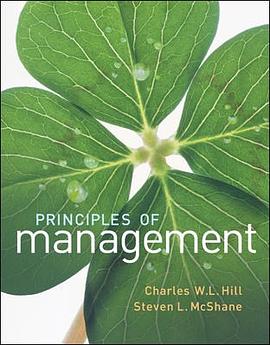
Charles Hill and Steve McShane, two of the most successful, well-thought of authors, researchers, teachers and consultants, have come together to write Management. This dynamic duo's progressive text engages students with their exceptional storytelling writing style and great examples to see the big picture/ interconnectivity between the four functions of management and prepares them better for their careers ahead. A unique "Management Portfolio Project" rounds out the student experience. Faculty are supported with a truly integrated support package.
Features
Focus on what managers actually do: This text was written to close the gap between what managers actually do or think about and what competing titles describe as contemporary practices. This focus is distinctly visible in the organization of the text.
(1) Organizing and Controlling - Managers consider organizing people into departments and teams a form of control. Therefore, what often is relegated to the end of the book as a "feedback loop", Hill/McShane incorporates the control chapter (Chapter 9) into the organizing function to demonstrate how control impacts goals and performance measurement, organizational culture, etc., and introduces the balanced scorecard as a measurement tool. See p. 224.
(2) Leading and Developing Employees ?Top performing companies consider developing staff one of the top priorities of their managers. Hill/McShane expands the "leading" function to include "leading and developing" employees to explicitly recognize developing as a cornerstone of the management functions. This theme is highlighted in Chapter 12 (pp. 304?07) with the discussion of employee selection and training.
Interconnectivity of the four functions of management: Hill/McShane provides students with connections between different concepts bring to light the "Big Picture" they need to understand in order to become successful managers. Specific examples include:
(1) Chapter 13 on Motivation builds off of the goal-setting material referenced in the planning chapter (Ch. 5) so that students understand the relationship between the functions of planning and leading and how employee goals ideally should be aligned to company strategies.
(2) Chapter 10 on Organizational Culture builds off of the organizational values material introduced in chapter 2 on the Internal Environment, which demonstrates how values drive culture.
(3) This text emphasizes values and connects back to this topic throughout the book. Chapter 1 (p. 19) explains how values are anchors for managerial behavior (missing from other management books!). Chapter 2 (p. 45) briefly introduces organizational culture (values and assumptions) as part of the internal environment. The text returns to values in the context of ethics in Chapter 4 (pp. 91, 95 ?96), as one of the foundations of planning in Chapter 5 (pp. 113?16), and as a control system in Chapter 9 (p. 216). Then organizational culture values and assumptions are fully discussed in a full chapter on this topic (Chapter 10).
Storytelling writing style: As they have in their current market-leading books, both authors use stories to connect with students as a vehicle to help them learn, using great use of language. "From bloody awful to bloody awesome in five years" (Ch. 3) or "No frankenfood here, please" (Ch. 18) are just two examples of how the authors grab students' attention and hold it with stories that are woven into the narrative of the text.
Unique Theory/Application Writing style : The authors cover related theories and then apply them with rich examples that are NOT hidden in text boxes that students don't read, but incorporated into the narrative of the text. Examples are highlighted in the margin of the text so students know an applied example is reinforcing a particular concept (e.g. "cost-leadership at Dell" or "Motivation at 3M").
Why does it matter?: Every chapter concludes with a summary of why the material covered matters for students of management, and how understanding these concepts can help students become a more successful manager.
Integrated Support Package: Unlike revised texts/ resource packages, where materials are refitted, resized and repurposed, the resources supporting this text have been freshly created in close conjunction with the text and each other to provide you a truly integrated support package. The instructor's manual is laid out by learning objective and includes extra "war stories" cases and teaching tips to use in the classroom that are not in the text. The test bank questions are categorized by blooms taxonomy, AACSB tagged, tagged by learning objective, level of difficulty.
Management Portfolio Project: Mirroring the goal of the book (showing students how the 4 functions interact) this activity at the end of every chapter asks students to apply chapter concepts to their organization of choice. By following one company throughout the semester students get a grasp of how and why all functions work together regardless of their experience working in organizations. Perfect for a course project, the instructor's manual includes an implementation guide as well as samples of actual student portfolios.
作者简介
Charles Hill received his Ph.D. in industrial organization economics from the University of Manchester's Institute of Science and Technology. He has received numerous awards for teaching excellence in both the undergraduate, MBA, and executive MBA programs at the University of Washington.
Steven L. McShane is Professor of Management in the Graduate School of Management at the University of Western Australia (UWA). Steve has also taught in the business facilities at Simon Fraser University and Queen's University in Canada. He is a past president of the Administrative Sciences Association of Canada. Steve earned his Ph.D. from Michigan State University, a Master of Industrial Relations from the University of Toronto, and an undergraduate degree from Queen's University in Kingston. He receives high teaching ratings from MBA and doctoral students both in Perth, Australia, and in Singapore, where he teaches senior officers in the Singapore Armed Forces. Steve is also the co-author with Professor Mary Anne Von Glinow of Organizational Behaviour: Emerging Realities for the Workplace Revolution, 2nd edition (2003), McGraw-Hill's highly successful American adaptation of this text. He is co-author with Professor Tony Travaglione of Organisational Behaviour on the Pacific Rim (2003), McGraw-Hill's most recent organizational behaviour book published in that region. Steve has published several dozen articles and conference papers on the socialization of new employees, gender bias in job evaluation, wrongful dismissal, media bias in business magazines, and other diverse issues. Along with teaching and writing, Steve enjoys spending his leisure time swimming, bodysurfing, canoeing, skiing, and travelling with his wife and two daughters.
目录信息
PART ONE MANAGERS AND THE ENVIRONMENT
Chapter 1 Management
Chapter 2 The External and Internal Environment
Chapter 3 Globalization and the Manager
Chapter 4 Stakeholders, Ethics and Corporate Social Responsibility
PART TWO STRATEGIZING
Chapter 5 Planning and Decision Making
Chapter 6 Strategy
Chapter 7 Managing Operations
PART THREE ORGANIZATIONAL ARCHITECTURE
Chapter 8 Organizing
Chapter 9 Control Systems
Chapter 10 Organizational Culture
Chapter 11 Developing High Performance Teams
PART FOUR LEADING
Chapter 12 Staffing and Developing a Diverse Workforce
Chapter 13 Motivating and Rewarding Employee Performance
Chapter 14 Managing Employee Attitudes and Wellbeing
Chapter 15 Managing through Power, Influence and Negotiation
Chapter 16 Leadership
Chapter 17 Communication
PART FIVE CHANGE
Chapter 18 Managing Innovation and Change
· · · · · · (收起)
读后感
用户评价
这本书的书名是《Principles of Management》,一本涵盖了管理学核心原则的著作。作为一名对组织行为和领导力充满好奇的学习者,我在翻阅这本书时,脑海中涌现出许多与我日常观察和经历相符的洞见。它不仅仅是理论的堆砌,更是对复杂组织环境的深刻剖析,以及如何在这种环境中有效发挥作用的实用指南。我尤其欣赏作者在阐述概念时所使用的案例,它们并非遥不可及的商业传奇,而是贴近我们生活中的各种情境,从小型创业公司到跨国企业的运作,都得到了详尽的描绘。阅读过程中,我常常会停下来,思考书中的原理如何应用到我自己的工作或学习团队中,试图找出可以改进的方向。书中关于目标设定和执行的章节,让我重新审视了我们团队在项目推进过程中存在的瓶颈,并开始思考更清晰、更可衡量的目标制定方式。此外,关于激励和团队协作的部分,也引发了我对如何构建更具凝聚力和高效率团队的深入思考。这本书不仅仅是一本教科书,更像是一位经验丰富的导师,通过条理清晰的叙述和生动形象的例子,引导我一步步理解管理的本质,并激励我去实践这些原则,从而在我的个人和职业生涯中取得更大的成功。它为我提供了一个思考和行动的框架,让我能够更自信地面对管理中的挑战,并从中找到创新的解决方案。
这本书《Principles of Management》给我最大的启示是,管理并非是一种僵化的规则,而是一种灵活的艺术,需要根据不同的情境进行调整和运用。它对领导力在不同层级和不同文化背景下的应用进行了广泛的探讨,让我认识到,有效的领导力需要具备同理心、情商和适应性。书中关于激励理论的讲解,也让我对如何理解和满足员工的不同需求有了更深入的认识。它强调了物质激励和精神激励的结合,以及如何通过认可、授权等方式来提升员工的归属感和满意度。我曾经在团队管理中,遇到过激励效果不佳的情况,这本书为我提供了一些新的思路,让我可以从更科学的角度去设计和实施激励措施。
《Principles of Management》这本书,在我看来,是一本让我能够更全面地审视和理解企业运营的书。它对供应链管理和运营效率的分析,让我明白了企业如何通过优化流程、降低成本来获得竞争优势。书中对于客户关系管理的重视,也让我认识到,在如今竞争激烈的市场环境中,建立和维护良好的客户关系是企业成功的关键。它让我明白,管理不仅仅是内部的运作,更需要关注外部的市场环境和客户的需求。这本书为我提供了一个完整的商业视角,让我能够从全局出发,思考如何将各个环节有效地整合起来,从而实现企业的可持续发展。它鼓励我保持一种持续学习和改进的态度,并时刻关注市场变化和客户需求。
对于《Principles of Management》这本书,我最直接的感受是它极大地拓宽了我对“管理”这个词的理解。在此之前,我可能只将管理局限于“管人”和“管事”,但这本书让我认识到,管理更是一种艺术,一种关于如何协调资源、激发潜能、实现共同目标的系统性工程。它对领导力风格的探讨,让我理解到不同的领导者会带来截然不同的团队氛围和产出,并且没有绝对“最好”的领导风格,关键在于情境和目标。书中关于沟通的技巧和重要性,也让我意识到了自己在日常交流中可能存在的不足,并开始有意识地去改进。它强调了清晰、有效的沟通是建立信任、解决冲突、推进工作的基础。此外,书中对于风险管理和危机应对的论述,也让我对组织的韧性有了新的认识,理解到未雨绸缪和灵活应变是企业在不确定环境中生存的关键。这本书为我提供了一个宏观的框架,让我能够从更高的层面去审视组织运作的方方面面,并从中找到提升效率和影响力的途径。它鼓励我去思考如何成为一个更全面的管理者,而不仅仅是一个执行者。
《Principles of Management》这本书,在我看来,就像是一张详细的地图,为那些渴望在错综复杂的商业世界中 navigatie 的人提供了方向。它没有给我空泛的理论,而是提供了非常具体、可操作的指导。我喜欢它对不同管理职能的拆解,从规划到控制,每一个环节都被剖析得淋漓尽致。我尤其对书中关于组织结构的部分印象深刻,它解释了为什么不同的企业会选择不同的组织模式,以及每种模式的优劣势。这让我对那些在企业中常见的“科层制”、“矩阵制”等概念有了更清晰的认识,并且能够理解它们是如何影响信息流动和决策效率的。同时,它也阐述了在快速变化的市场环境中,适应性和灵活性对于组织生存的重要性。书中关于决策过程的论述,也让我学会了如何更有条理地分析问题,权衡利弊,并最终做出更明智的决策。它不是简单地告诉你“怎么做”,而是让你理解“为什么这么做”,从而培养一种批判性思维能力。我在阅读过程中,不仅将书中的知识与我所处的行业进行对比,也反思了过去在团队协作中遇到的问题,并从中找到了改进的思路。这本书为我提供了一个系统性的视角,帮助我理解管理的复杂性,并赋予我解决问题的能力。
这本书《Principles of Management》给我的感觉是,它不仅仅是一本提供管理知识的书,更是一本启发我思考“如何成为一个更好的组织贡献者”的书。它对战略规划的阐述,让我明白了企业的发展并非偶然,而是经过深思熟虑的规划和持续的执行。它让我看到了一个优秀的企业,是如何将长远目标与日常运营紧密结合起来的。同时,书中关于质量管理和持续改进的章节,也让我意识到了细节在组织成功中的重要性。它强调了每一个环节的优化和对完美的追求,是建立竞争优势的关键。我曾经在一个项目中,因为忽视了某个看似微小的细节,导致了不必要的返工,这让我深有体会。这本书为我提供了一个系统性的方法来审视和改进流程,从而提升整体效率和产出。它鼓励我保持一种“追求卓越”的心态,并在工作中不断寻找提升的空间。
《Principles of Management》这本书,在我看来,是一本非常“接地气”的管理学著作。它没有使用过于晦涩的术语,而是用清晰易懂的语言,将复杂的管理概念娓娓道来。我喜欢书中对不同决策模型和工具的介绍,这些工具不仅理论上严谨,而且在实际应用中也具有很高的参考价值。它让我学会了如何系统地分析问题,并根据不同的情况选择合适的决策方法。比如,在面对一个需要多人协作的复杂项目时,书中提到的“头脑风暴法”和“德尔菲法”,都为我提供了具体的指导。此外,它对风险管理的探讨,也让我认识到在追求目标的同时,也需要预见和规避潜在的风险。这本书为我提供了一个全面的视角来理解管理,并赋予了我解决实际问题的能力。它鼓励我去学习和运用各种管理工具,从而提升我在工作中的决策水平和效率。
《Principles of Management》这本书,对于我这样正在学习和探索管理领域的人来说,是一本不可多得的入门指南。它系统地梳理了管理学的基本原理和核心概念,并且以非常清晰的逻辑结构呈现出来。我尤其欣赏书中关于创新和创业精神的探讨,它不仅阐述了创新在企业发展中的重要性,还介绍了一些鼓励创新和支持创业的机制。在我看来,一个成功的组织,不仅要有稳健的运营,更要有不断创新的能力。这本书让我明白,创新并非只是少数人的专利,而是可以融入到组织的每一个层面和每一个环节中的。它激励我去思考如何在我的工作环境中培养和激发创新意识,从而为组织带来新的活力和增长点。
从《Principles of Management》这本书中,我获得的最宝贵的收获之一,就是它对于组织文化建设的深入解读。它让我明白,企业不仅仅是一堆机器和流程,更是一个由人组成的、拥有独特价值观和行为准则的生命体。书中关于如何塑造积极、健康的企业文化,以及如何通过文化来影响员工的行为和士气,都给我留下了深刻的印象。我曾经在一个企业文化非常负面的环境中工作,那段经历让我深知文化对员工士气和工作效率的巨大影响。这本书为我提供了一个理解和改进企业文化的框架,让我能够从更深层次去思考如何创造一个更具吸引力和生产力的工作环境。它鼓励我关注组织内部的软实力,并将其作为提升竞争力的重要手段。
《Principles of Management》这本书,就我个人而言,是一次思维的“重塑”。它打破了我过去对管理的一些刻板印象,让我看到管理原来可以如此的精妙和富有策略性。我尤其欣赏书中对于人力资源管理的深入剖析,它不仅仅关注招聘和培训,更深入到员工激励、绩效评估和职业发展等多个层面,强调了“人”在组织中的核心价值。它让我明白了,一个成功的管理者,需要真正理解员工的需求和动机,并创造一个能够让他们发挥最佳水平的环境。书中关于变革管理的章节,也让我对组织在面对外部挑战时的适应性有了更深刻的理解。它阐述了变革的阻力从何而来,以及如何有效地引导团队克服这些阻力,顺利过渡到新的状态。我曾经在参与一个项目转型时,深切体会到变革的困难,而这本书为我提供了一些宝贵的思路,让我可以从管理者的角度去思考如何更好地引导团队。它不仅是理论知识的传授,更是方法论的启示,让我能够将这些原则应用到实践中,并取得更好的效果。
空洞无物
管理学原理 基本框架与其他类似书籍有所不同。
管理学原理 基本框架与其他类似书籍有所不同。
空洞无物
管理学原理 基本框架与其他类似书籍有所不同。