
具体描述
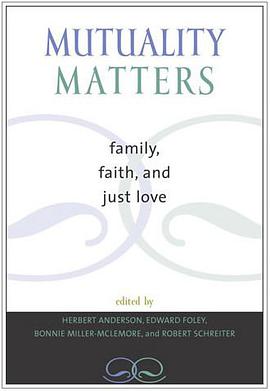
Married and family life around the world has undergone a revolution in the last several decades: the radical democratization of intimacy in spousal and parent-child relationships. Previous principles of hierarchy, inequality, and duty that defined the relationships between husband, wife, and children have been challenged and often replaced by more fluid bonds of equality, intimacy, emotional self-disclosure, communication, and mutual trust. The key question that has emerged for our times, then, is how exactly do families sustain genuine mutuality, democracy, and strong relationships? Figuring out good answers to this question is the major theme of this book and the origin of the title Mutuality Matters. Three common strategies for creating just marriages have arisen: political and legal reform, smarter negotiating by women, and new cultural perceptions of marriage. While the authors in this book attend to all three strategies to different degrees, the primary focus is the third strategy: changing our cultural understanding of women and men in marriage. Moreover, to effect genuine cultural change, the authors recognize the need to enlist the help of religion as a key culture-forming element. Mutuality has become a common way for theologians from a variety of perspectives to talk about a more just love, a love that combines affection and justice. But many questions have been left unanswered: What exactly do people believe they have promised when they align themselves with Christian claims about love in their rituals of marriage and partnership? Do Christian views of love include the ideal of justice in marriage? Because accommodation or sacrifice is inevitable in any intimate human community, how can families insure that it will be mutual and just? How is marriage strengthened if justice is added to love at the core of mutuality? What does mutuality mean across time and distance, when participants are parents and children, when fathers are absent, when parents should be honored, or within a violent context? Is it possible to have democratic families without mutual sacrifice? Can submission be mutual? On these and other questions, the authors of this volume claim distinctive responsibility for rethinking Christian convictions about love and family life around the theme of mutuality and for strengthening the ministry of religious communities as those communities seek to empower and support families in their practice of mutuality. The essays written for this volume reflect the development of practical theology as one method for exploring the religious meanings of family and enhancing the practice of family living by 1) assuming that all theory has implications for practice and all practices are theory laden and 2) drawing into dialogue the knowledge and interpretations of a variety of perspectives including philosophy, biblical criticism, anthropology, liturgical studies, pastoral care, ethics, cross-cultural studies, and religious education. This collection of essays is noteworthy for both this interdisciplinary scope and its richly ecumenical representation.
作者简介
目录信息
读后感
用户评价
我通常对这种探讨“关系”主题的书籍是持保留态度的,总觉得它们要么过于理想化,要么就是老生常谈。但这一本真的有些不一样。它最出彩的地方在于其对“边界感”的探讨,简直是教科书级别的阐述。作者并没有简单地倡导“保持距离”,而是细致地描绘了健康边界是如何通过一系列微妙的互动和协商来建立和维护的。我特别喜欢作者用对比的手法来展现不同关系模式下的能量流动,比如在亲密关系中,如何区分“责任”与“负担”,如何在给予爱与保持自我之间找到那个动态的平衡点。书中引用的案例非常贴近现代生活,无论是职场中的协作困境,还是家庭内部的情感拉扯,都处理得非常到位,没有丝毫的刻板印象。而且,它的结构安排也非常巧妙,每一章的递进都像是解开一个层层包裹的谜团,让你在不知不觉中提升了对人际动力学的认知。阅读过程中,我多次停下来,不是因为看不懂,而是因为需要时间去消化那些震撼人心的洞察,然后立刻联系到自己生活中的实例进行验证。这本书的价值在于,它提供了一套可以立刻上手实践的工具和视角,让你在下一次面对冲突时,不再只是被情绪裹挟,而是能冷静地审视背后的结构问题。
这本书的阅读体验简直像一场漫长而深入的自我对话。我不是那种喜欢做笔记的读者,但这本书我几乎每隔几页就要停下来,不是划线,而是直接合上书,望向窗外,让那些文字在我脑海里回荡一阵子。它最让我感到惊喜的是对“非语言沟通”的深度挖掘。我们常常只关注说了什么,但这本书却把焦点放在了“没说什么”以及“身体如何作答”上。作者通过对微表情、姿态以及环境因素如何共同构建意义的剖析,彻底颠覆了我过去对交流的理解。阅读过程中,我甚至会不自觉地审视自己的坐姿和眼神接触,这真是一种奇特的学习体验。更值得称道的是,作者在探讨这些看似冷硬的心理学概念时,总能巧妙地融入人文关怀,让冰冷的分析带上了人性的温度。这本书的行文节奏把握得极佳,时而如涓涓细流般温柔舒缓,时而又像醍醐灌顶般掷地有声,让人完全沉浸其中,忘记了时间的流逝。它不仅仅是关于如何与他人相处,更深层次上,是关于如何与自己的内在经验达成和解。
我必须承认,我一开始以为这会是一本晦涩难懂的理论著作,毕竟它的主题听起来就相当宏大。然而,出乎意料的是,作者采用了极其清晰且富有逻辑性的框架来组织内容。这本书的章节划分非常清晰,每一部分都像是一块精心打磨过的拼图,紧密地衔接着下一块。它并没有回避那些令人不适的现实——比如关系中的权力动态和利益冲突——但处理方式非常成熟,不是指责,而是提供了一种建设性的视角去解析这些张力。我特别欣赏书中关于“倾听的层次”那一章的论述,它将倾听从一个被动的接收行为,提升到了主动的创造行为的高度,这对我改进工作汇报和日常交流质量有着立竿见影的效果。这种实用性与深度兼具的特点,让这本书在我的书架上占据了一个非常独特的位置。它不是那种读完一次就束之高阁的书,而是那种需要反复翻阅,每次都会在不同的生活阶段带来全新体会的“工具书”。对于那些渴望系统性提升自己情商和人际处理能力的人来说,这本书简直是量身定做。
这本书的封面设计就挺吸引我的,那种柔和的色调搭配上简约的排版,让人一看就觉得内容会很有深度,而不是那种浮夸的畅销书套路。我本来是抱着试试看的心态翻开的,没想到一读就停不下来。作者的叙事方式非常细腻,没有那种生硬的说教感,而是通过一个个生动的小故事,把复杂的人际关系和情感互动剖析得淋漓尽致。比如,书中对“理解的鸿沟”那一段描写,简直就是我过去生活中无数次失败沟通的真实写照,读起来让人忍不住拍案叫绝,仿佛作者能看透我的内心。更让我欣赏的是,它并不只是停留在表面的分析,而是深入挖掘了行为背后的动机和渴望,让人在反思自己的同时,也学会了更温和地接纳他人。这本书的文字功底极强,充满了诗意却又不失哲理,很多句子单独拿出来都可以作为座右铭。它不像有些心理学书籍那样堆砌术语,而是用一种近乎散文的笔法,引导读者自然而然地进入一种深度对话的状态。这本书给我的感觉,就像是有一位智慧的长者,坐在你对面,用最朴素而深刻的语言,帮你整理那些曾经让你困惑不已的情感线索。读完之后,感觉心里的某个角落被轻轻抚平了,对周围的人和事都多了一层新的滤镜。
这本书的语言风格有一种独特的韵味,它不像当代流行读物那样追求快餐式的简单易懂,而是带着一种沉淀下来的智慧感。作者在遣词造句上极为考究,读起来有一种古典文学的美感,但其探讨的主题却是当下最尖锐的社会议题。我个人非常推崇它对“共情疲劳”这一现象的细腻描绘。在如今这个信息爆炸、情绪泛滥的时代,我们总被要求保持同理心,但这本书却勇敢地指出了过度共情所带来的耗竭,并提出了如何设置“情感防火墙”的实用策略。这种平衡和审慎的态度,让我感到非常受用和被尊重。它教会了我,真正的成熟不是无条件地牺牲自我去迎合他人,而是清晰地认识到自身资源有限性,从而做出更可持续的连接方式。阅读这本书的过程,就像是进行了一场精神上的“排毒”,把那些积压已久的、关于“我应该如何待人接物”的焦虑和困惑都清理掉了。它提供的不是标准答案,而是一个更加完整和包容的思考维度。