
具体描述
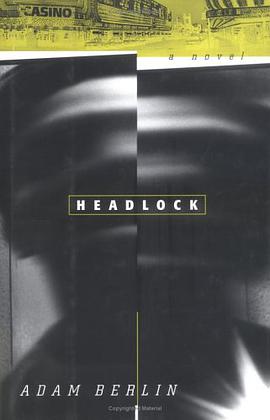
Headlock is about a wrestler, but not the kind of wrestler that Jesse Ventura once was.Right. WWF wrestling is not what this is about. Professional wrestling is a real sport, a real athletic match, whereas WWF has to be called entertainment because it's not real. You know it's not real because these men stand up and there's no blood. In a real wrestling match, you can see the struggle, the real physical exertion, and you can feel the pain. Those guys really get hurt, they get broken bones. It's just man on man -- no gloves or bats or rackets or balls -- and that's when people can get hurt.You seem to know what you're talking about. Were you ever a wrestler yourself?P" did do some wrestling in my freshman year of high school, when my family lived in Hawaii for a year. And then, in college, I went to wrestling matches as a way of remembering my grandfather, who was a wrestler and was famous for his physical prowess, and his bad temper. Some of the stories about those traits actually appear in my novel.If you don't mind my asking, which ones are those?Well, one of the most famous stories was when he first came to the States from Russia. A man tried to pickpocket him, and he couldn't yell for help. He didn't know the word. So he put his hand over the pickpocket's hand -- which was in his pocket -- and then he walked him down to the police station.P" suppose it worked?Of course it worked. He had the proof right there. The guy's hand was in his pocket. My grandfather had a bad temper, quick rushing blood. Once he tried to throw his landlord down the incinerator and my father had to jump on his back to stop him. So my interest in wrestling comes from my grandfather -- andsome of his hot blood has been passed down as well.So you inherited the temper?I've inherited some of it, but I curb it. The older I get the easier it is. I channel it. I work out at a boxing gym, and my brother actually was a Golden Glove champion in Florida -- that's how he channels it, I guess.You're not someone to be afraid of in a bar.Um ... I'm not someone to be afraid of outside a bar.That brings us to the ease with which you write about violence. You seem to be able to depict violence very graphically.In all honesty, I was in a few fights when I was younger. And I've seen fights. I'm also a big boxing fan. I think I have some idea of what real violence is, not movie violence.What's the difference?Real violence has real repercussions. Movie violence heals very quickly; real violence does not. Listen, when a person is in a fight, he remembers it for a long time. You feel badly that it was such a thrill, an adrenaline rush.I'm not interested in glorifying violence like movies do. Headlock is really a story about a kid becoming an adult. Once Dess, my character, learns to control his temper, he can move on with his life. Dess has to achieve some sort of balance, as his father keeps telling him. And when Dess understands that what his father says is true, he can go home again, so to speak.Much of your novel is set in Las Vegas, where Dess and his cousin Gary race the clock, gambling to pay off Gary's enormous gambling debts. Have you done much gambling yourself?Yes, I have from time to time. I've gone to Atlantic City expecting to make a fortune, and ended up sleeping on a grating waiting for a new morning and maybe some new luck. But the new luckdidn't come and I always caught the next bus back to the city.Why do you think people become compulsive gamblers?P" think there's always the belief that you can make a lot of money. And it's a thrill playing blackjack or playing craps. Our workaday lives do not provide that kind of thrill. It's the thrill of being able to win money without having to do work. But anyone who has done more than a few minutes of gambling knows that it is, in fact, work.And not that many people really win.All you have to do is go to a casino where people are waiting for the junket buses, and you can see that everybody's a loser. There are some long, quiet trips back to the city. Everyone's talking about what they're to going to win on the way over, and they're very quiet on the way back.The heavy who comes after Gary to collect is terrifyingly calm. Do you think there are really people like Blue?Yes. Let's just say I've met a few people who've collected money, and they're very nonchalant about the breaking of a hand. There's a real scary feeling in the air.
作者简介
目录信息
读后感
用户评价
这本历史传记的深度和广度真的令人叹为观止。它聚焦于一位鲜为人知的十九世纪末的探险家,一个试图穿越整个非洲大陆,寻找传说中失落文明的偏执狂。作者显然做了海量的文献研究,每一个地名、每一次遭遇的部落、甚至探险队所携带的装备型号都考证得极其严谨。阅读这本书的过程,与其说是看故事,不如说是一场沉浸式的历史重演。书中对殖民主义初期那种傲慢与无知,以及与当地文化碰撞时产生的巨大张力,刻画得极其尖锐。探险家本人的人格也充满了矛盾:他既有超越时代的开阔胸襟,愿意学习当地的语言和生存智慧;但同时又被时代烙下的西方中心主义思想所束缚,导致他在关键时刻做出了毁灭性的错误决策。我尤其欣赏作者在处理“失败”上的态度,探险的终点并非是那个虚无缥缈的文明,而是一场漫长而痛苦的自我反思。他最终带着一身的病痛和破碎的日记回到了欧洲,他的发现被世人嘲笑为疯子的呓语。这本书的叙事节奏非常缓慢而厚重,充满了对人类探索精神的赞美与对殖民历史的反思,读完后感觉像是完成了一次精神上的长途跋涉,非常耗费心神,但收获巨大。
我最近读完了一本关于一位年轻音乐家在城市中追逐梦想的小说,说实话,这本书的开篇简直是抓住了我的心。作者对环境的描绘极其细腻,那种初到大都市的迷茫、兴奋和一丝不易察觉的恐惧,都通过主角那双略带倦意的眼睛清晰地呈现在我眼前。他住在城郊一个简陋的出租屋里,窗外就是永不停歇的交通噪音和霓虹灯的闪烁。我仿佛能闻到空气中混杂着的油烟味和廉价香水味。故事推进得很自然,没有那种刻意的戏剧冲突,更多的是生活本身带来的小摩擦,比如房东的催租、排练室的昂贵、以及面对那些似乎永远不会给你机会的业内人士时的那种无力感。这本书最棒的一点是,它没有把主角塑造成一个完美的天才,他会犯错,会因为沮丧而酗酒,会怀疑自己的选择。他的吉他,就是他在这钢铁森林里唯一的庇护所和武器。我特别喜欢其中一个片段,他为了攒钱买一根更好的拾音器,连续吃了好几周的泡面,那种对艺术近乎偏执的投入,让我这个在平凡岗位上努力的人感同身受。这本书给我最大的启发是,真正的“成功”并非一蹴而就,而是由无数个“再试一次”构筑起来的漫长旅程。那种对现实的冷静审视与对理想的炽热追求之间的拉扯,处理得相当到位,读起来让人欲罢不能,仿佛自己就是那个在街角酒吧里默默弹唱的灵魂。
关于十九世纪末欧洲艺术圈的一部厚重非虚构作品,它专注于探讨“美学革命”背后的社会动荡。这本书的特点是信息密度极高,引用了大量的哲学论述和当时的报刊评论,结构复杂,但逻辑链条清晰得令人惊叹。作者并没有仅仅介绍那些著名的画家或雕塑家,而是将焦点放在了赞助人、评论家、新兴的画廊老板,甚至是那些被时代抛弃的学院派艺术家群体上。它揭示了一个残酷的事实:艺术的价值往往不是由其本身的质量决定的,而是由权力结构和资本运作共同塑造的。书中对印象派作品在首次展出时遭受的嘲讽和攻击的描述尤其精彩,那些评论家是如何用最刻薄的语言,将创新描绘成“对文明的亵渎”。这本书的行文风格非常学术化,论证严谨,充满了对历史细节的挖掘,比如通过分析一笔赞助款项的流向,来揭示某位新兴艺术家的崛起并非偶然。它不是一本轻松的读物,需要读者具备一定的历史和艺术背景知识,但对于想深入理解“现代性”是如何在艺术领域萌芽并最终颠覆传统的读者来说,这是一部不可或缺的“教科书级”著作。它让我对艺术史的理解,从“看到伟大的作品”升级到了“理解作品产生的土壤”。
这本烹饪随笔的温暖程度,简直可以媲美冬天里炉火旁的羊绒毯。作者的笔触极其家常,没有那些米其林餐厅的矫揉造作,写的是祖母和母亲教她做菜的点点滴滴。她用食物串联起了整个家族的历史,比如那道永远做不好、但每次尝试都充满希望的“失败的提拉米苏”,代表着她对逝去亲人的缅怀;又比如,因为一次错误的食材替代,意外创造出的“夏日限定冷汤”,记录了她年轻时一次即兴的、充满激情的恋爱。这本书的语言充满了烟火气,你会清晰地“看到”油锅里热油滋啦作响的声音,“闻到”面团发酵时散发出的微酸甜味。它最打动我的地方,是它强调了食物的“情感载体”功能。烹饪不再是简单的化学反应,而是一种爱的表达、一种记忆的保存、一种和解的方式。比如,书中有一章专门写了如何与疏远的兄弟通过制作一道古老的家庭菜肴重新建立联系,那种通过共同劳作和品尝味道来治愈裂痕的过程,细腻而感人。读完后,我立刻冲进厨房,想找回那种踏实、满足的亲手制作食物的乐趣。它让我明白了,最美味的菜肴,永远是那些承载着故事和情感的家常味道。
我最近翻阅了一本关于未来科技与社会伦理的科幻小说,这本书的想象力简直突破天际,但内核却异常扎实。它构建了一个高度依赖“情绪算法”来维护社会稳定的赛博朋克世界。在这个世界里,你的心情波动会被实时监控,负面情绪过多的人会被强制“重塑心智”。故事的主角是一个“情绪清洁工”,负责处理那些算法无法识别的“亚健康”情感。这本书的精彩之处在于,它没有落入俗套地描述机器如何反叛人类,而是深入探讨了“真实感受”的价值。当一切都被优化到完美、所有人都保持着“幸福”的假象时,我们是否还拥有了作为“人”的本质?小说中段关于主角发现他已故伴侣的记忆碎片竟然是一个被系统删除的“错误数据”的情节,简直让我手心冒汗。那种细思极恐的设定,让我不断反思:我们现在所享受的便利和稳定,是不是正在以牺牲我们最核心的自由——感受痛苦和挣扎的自由——为代价?文笔上,它结合了大量冷峻的科学术语和近乎诗意的内心独白,形成了一种独特的、令人不安的美感。这绝对不是一本轻松的读物,但对于思考人与技术的关系,它提供了极其深刻的视角。