具体描述
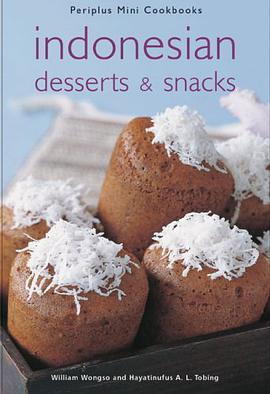
Indonesian Desserts: A Culinary Journey Through Archipelago Sweetness Indonesia, a nation forged from a vibrant tapestry of cultures and traditions, offers a culinary landscape as rich and diverse as its emerald islands. Beyond the savory depths of its renowned noodle dishes and fiery curries, lies a hidden universe of sweet delights, a testament to centuries of trade, migration, and local ingenuity. "Indonesian Desserts" invites you on an immersive exploration of this often-overlooked, yet utterly captivating, realm of island sweetness. This book delves deep into the heart of Indonesian confectionery, moving beyond superficial glimpses to offer a comprehensive and nuanced understanding of what makes these desserts so unique and beloved. We don't just present recipes; we unravel the stories behind them, tracing their origins, the cultural significance they hold, and the regional variations that showcase the incredible diversity within this sprawling archipelago. Prepare to discover a world where humble ingredients are transformed into edible works of art, where tradition meets innovation, and where every bite tells a story. Our journey begins with an exploration of the foundational elements that define Indonesian desserts. We examine the ubiquitous role of coconut, not just as a liquid, but as a rich source of cream, grated flesh, and even toasted shreds, adding unparalleled depth and texture to a myriad of sweets. From the creamy embrace of santan (coconut milk) in custards and puddings to the subtle crunch of toasted coconut flakes adorning cakes and pastries, its presence is a constant, comforting thread. Equally crucial is the pervasive use of sugar, often in its unrefined forms like palm sugar (gula merah/gula jawa) and brown sugar. These sugars lend a characteristic caramel-like richness and a complex sweetness that distinguishes Indonesian desserts from their Western counterparts. We will explore how different types of sugar are employed to achieve varying levels of sweetness, color, and subtle smoky undertones, transforming simple mixtures into something truly extraordinary. Then there are the stars of the show: rice and glutinous rice. These grains are not merely staples but the very backbone of countless Indonesian desserts. From the steaming piles of fragrant ketan (glutinous rice) infused with pandan and served with sweet toppings to the delicate, almost ethereal textures of rice flour-based cakes, the versatility of rice is on full display. We will investigate the art of steaming, boiling, and shaping these grains to create a spectrum of textures, from chewy and dense to light and airy. Beyond these core ingredients, "Indonesian Desserts" ventures into the vibrant world of local fruits. Indonesia’s tropical climate blesses it with an abundance of exotic produce, and these fruits are often celebrated in desserts. Imagine the luscious sweetness of ripe mangoes, the creamy richness of avocados blended into a dessert drink, the refreshing tang of markisa (passion fruit), or the unique aroma and taste of durian, the "king of fruits." We will showcase how these fruits are incorporated, either as primary flavors, vibrant colorants, or decorative elements, adding a burst of natural goodness to every creation. This book is meticulously structured to guide you through the diverse landscape of Indonesian sweets. We will categorize our explorations by key characteristics, allowing for a comprehensive understanding of the different dessert families. Steamed Delights: This section will immerse you in the world of kue kukus, a vast category of steamed cakes and puddings that are a cornerstone of Indonesian dessert culture. You'll discover the intricate art of steaming, which yields incredibly moist and tender textures. We'll explore the iconic Nagasari, a delicate rice flour cake filled with banana slices and wrapped in banana leaves, its subtle sweetness enhanced by the fragrant pandan infusion. Prepare to be enchanted by Kue Lapis, a visually stunning layered cake where each translucent layer is infused with distinct flavors and colors, often achieved with natural ingredients like pandan and butterfly pea flower. We'll also delve into Putu Bambu, steamed rice flour cakes cooked in bamboo tubes, releasing a fragrant steam and a delightful sweetness, often accompanied by grated coconut and palm sugar. Fried and Pan-Seared Treasures: While steaming is prevalent, the tantalizing world of fried and pan-seared desserts also holds a special place. Here, you'll find recipes for beloved treats like Pisang Goreng, the ubiquitous fried banana, elevated through various batters and dipping sauces, showcasing its crispy exterior and molten, sweet interior. We'll explore Kue Cubit, small, pancake-like cakes cooked in a special molded pan, resulting in a delightful slightly undercooked center that gives them their name ("pinched cake"). This section will highlight the satisfying contrast of textures and the comforting warmth of these delightful creations. Jellies and Puddings: A Symphony of Textures: Indonesia boasts an impressive array of jellies and puddings, offering a refreshing and often cooling dessert experience. From the silky smoothness of Puding Sutra (silk pudding), often flavored with pandan and served with a sweet sauce, to the vibrant and multi-layered Es Campur, a popular shaved ice dessert adorned with an array of jellies, fruits, and sweet toppings, this section will celebrate the art of creating delightful wobbly textures. We'll explore the use of agar-agar and gelatin, as well as natural thickeners, to achieve a variety of consistencies, from delicate and jiggly to rich and creamy. Sweet Rice Creations: As mentioned, rice and glutinous rice are fundamental. This section will delve deeper into their sweet applications. Discover the comforting embrace of Bubur Sumsum, a creamy rice flour porridge flavored with pandan and served with a generous drizzle of palm sugar syrup, offering a simple yet deeply satisfying dessert. Explore the delightful chewiness of Ketan Hitam, black glutinous rice cooked into a sweet pudding, often served with coconut milk. We will also venture into the festive world of Onde-Onde, chewy glutinous rice balls filled with sweet mung bean paste and coated in sesame seeds before being fried to a delightful crisp. Desserts of Celebration and Ritual: Many Indonesian desserts are intrinsically linked to special occasions and cultural rituals. We will explore desserts that grace wedding feasts, religious holidays, and communal gatherings. This includes the visually spectacular Kue Talam, a two-layered steamed cake often featuring a savory coconut milk base and a sweet glutinous rice top, symbolizing harmony. We'll also touch upon the significance of Lapis Legit, a rich, multilayered spice cake, often reserved for momentous celebrations, its intricate construction a testament to patience and skill. Beverages that Sweeten the Soul: Our exploration extends beyond solid sweets to encompass the refreshing and invigorating world of Indonesian dessert beverages. From the creamy, sweet indulgence of Es Cendol, a vibrant green jelly noodle dessert served with coconut milk and palm sugar syrup, to the refreshing simplicity of Es Buah, a mixed fruit iced drink, these beverages offer a perfect complement to the tropical climate and a delightful conclusion to any meal. Throughout "Indonesian Desserts," we will emphasize the use of natural colorings and flavorings. Forget artificial substitutes; we embrace the vibrant hues of pandan leaves, the deep purples of butterfly pea flowers, the warm yellows of turmeric, and the earthy browns of palm sugar. The aromatic embrace of pandan, a fragrant leaf native to Southeast Asia, will be a recurring theme, infusing many dishes with its distinct, almost vanilla-like scent. Furthermore, this book is not just about replicating recipes; it's about understanding the techniques and philosophies that underpin Indonesian dessert making. We will delve into the importance of balance – the interplay of sweet, salty, and sometimes even a hint of savory from the coconut milk. We will explore the art of texture, from the chewy to the creamy, the crisp to the tender. And we will highlight the importance of presentation, as many Indonesian desserts are as visually appealing as they are delicious, often adorned with fresh fruits, edible flowers, or intricately carved garnishes. "Indonesian Desserts" is more than just a collection of recipes; it's a portal into the soul of Indonesian culinary heritage. It's an invitation to explore the vibrant flavors, captivating textures, and rich cultural stories that make these sweet creations so utterly unforgettable. Whether you are a seasoned baker looking for new inspirations or a curious food enthusiast eager to discover new culinary horizons, this book promises to be your ultimate guide to the enchanting world of Indonesian desserts. Prepare to be delighted, surprised, and utterly captivated by the sweetness of the archipelago.