
具体描述
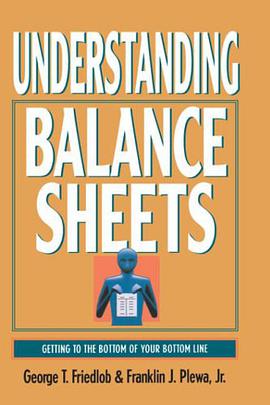
As statements of a company's financial condition, balance sheets contain information vital to owners, investors, and financial managers who are charged with assessing company performance. Often complex and difficult to interpret, balance sheets are nonetheless essential because they help pinpoint business problem areas. Understanding Balance Sheets explains in a clear and concise manner all the major aspects of this important business tool, making it yours to implement easily and successfully. Written by two financial and accounting authorities, this hands-on working reference enables you to understand a company's balance sheet within the context of its annual report. You'll find detailed information on: Exactly what a balance sheet is, how it works, and how it's used to increase profitability The individual components: receivables, cash, inventory, long-lived assets, current payables, long-term debt, and equity How these different elements relate to each other, how they come into being, and how they should be controlled in your business How accounting data is created, accumulated, and used in the development of financial statements Whether you're new to balance sheets, need a quick refresher, or require a knowledge that goes beyond the basics, this guide has it all. Understanding Balance Sheets is a thorough, accessible reference that you can't afford to be without if you need to get a handle on this essential financial tool. Get a handle on balance sheets with this comprehensive reference that gives you the basics and beyond From the authors who brought you indispensable guides to such financial fundamentals as cash flow, income statements, and return on investment comes a book that clarifies and explains the intricacies of another important tool: the balance sheet. Covering all its major aspects, Friedlob and Plewa give you a broad understanding of its individual elements, the related disclosures contained in an annual report, and the methods used to analyze a company's balance sheet. Here's where to turn for valuable information on: Receivables, inventories, intangibles, short-term investments, and other components of a balance sheet How current liabilities create spontaneous financing when a business grows General purpose financial statements and widely accepted accounting principles The time value of money Analyzing the balance sheet through comparative and ratio analysis Straightforward, comprehensive, and easy to follow, this is the guide you'll want for a complete overview of this vital business tool.
作者简介
目录信息
读后感
用户评价
这本金融工具的介绍简直是一场启蒙之旅,它以一种极其平易近人的方式,剖析了那些看似深奥的财务报表背后的逻辑。我一直觉得,要真正理解一家公司的健康状况,就必须像侦探一样,从资产负债表的蛛丝马迹中抽丝剥茧。作者显然深谙此道,他没有直接抛出那些令人望而生畏的会计准则,而是将复杂的概念融入到生动的商业案例中。比如,在讲解流动性和偿债能力时,他通过对比两家虚拟制造企业的现金流状况,清晰地展示了不同资本结构对短期运营风险的影响。我尤其欣赏他对“隐藏资产”和“或有负债”的探讨,这部分内容极大地拓宽了我对传统资产负债表解读的视野,让我意识到,财务数字往往只描绘了故事的一半,另一半则需要通过对脚注和管理层讨论的细致分析才能还原。对于任何想要从“数字盲”进化为能看懂企业体检报告的投资者或管理者来说,这本书提供了一个坚实且富有洞察力的起点。它不仅仅是教你“看”数字,更是教你“问”数字背后的故事,引导你进行批判性思考,而非盲目接受表面数据。
这是一本真正意义上的“工具箱”,而不是一本“装饰品”。它的价值不在于它印了多少精美的图表,而在于它教会了读者如何“使用”这些图表来做决策。书中的案例分析部分,采用了逆向工程的思路:首先抛出一个商业困境(例如,一家公司突然面临银行抽贷的压力),然后引导读者回溯到资产负债表上的具体科目,找出导致问题的根本原因。这种“问题导向型学习”的方法,极大地增强了知识的记忆点和实用性。我发现,在阅读完关于“债务重组”如何影响资产负债表结构的部分后,我立刻能够更清晰地理解近期几则商业新闻中提到的财务操作手法。这本书的深度和广度兼备,既满足了初学者对基础概念的系统学习需求,也为资深人士提供了深化分析视角的平台,实乃财务学习领域的一部佳作。
阅读过程中的体验,更像是参加了一场高级的商业研讨会,而非枯燥的教科书学习。书中的叙事节奏把握得恰到好处,每一章的过渡都非常自然流畅,仿佛作者正在一位资深顾问的陪同下,逐步解构一个真实的商业实体。其中关于“权益法核算”和“合并报表”的章节,是我认为处理得最为精彩的部分。在传统教材中,这些内容往往充斥着复杂的计算公式,令人望而却步。然而,这本书却巧妙地运用了视觉化的图表和逐步分解的例子,将层层嵌套的子公司关系梳理得井井有条。我能清晰地看到,当母公司收购一家企业时,资产负债表是如何在瞬间发生结构性变化的,以及这种变化如何影响了集团整体的财务杠杆。这种深入浅出的讲解,使我不再害怕面对那些结构复杂的跨国集团财报。它真正做到了赋能读者,让你有信心去挑战那些看起来最令人困惑的财务报告。
我过去对财务报表的理解一直停留在教科书式的定义层面,缺乏将理论与现实商业运作相结合的能力。这本书彻底改变了我的认知框架。它着重强调了资产负债表作为“时间点快照”的局限性,并巧妙地将其与利润表和现金流量表进行交叉验证。例如,书中关于“存货周转率”和“应收账款账龄”分析的部分,极具实操价值。它提醒读者,高利润率不一定意味着高现金流入,如果存货积压严重或者客户回款缓慢,那么资产负债表上的“资产”可能很快就会变成“坏账”。这种对运营效率和财务健康度之间动态关系的深刻剖析,是任何只关注静态数字的书籍所无法比拟的。对我而言,这本书带来的最大价值在于建立了一个立体的、动态的财务分析模型,让我能够更全面地评估企业的长期可持续发展能力,而不是仅仅被短期的盈利数字所迷惑。
这本书的语言风格非常成熟且具有说服力,带着一种老道的行业洞察力。它很少使用夸张的修辞,而是通过对关键会计科目背后经济实质的精准描述,自然而然地建立起读者的信任感。我特别喜欢其中关于“无形资产”评估的讨论。在当前的知识经济时代,商标权、专利权和商誉所占的比重越来越大,但它们的价值评估却充满了主观性。作者非常坦诚地讨论了公允价值计量和历史成本计量之间的哲学冲突,并指出了市场先生如何利用这些不确定性来操纵市场预期。这种坦诚和深刻的行业反思,远超出了基础财务知识的范畴,更像是一堂关于资本市场博弈的课程。对于那些希望洞悉市场情绪如何通过财务语言被表达出来的读者,这本书无疑提供了宝贵的解码工具。