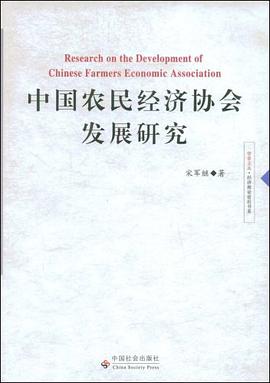
具体描述
《 rural development strategies 》 This comprehensive book delves into the multifaceted approaches and practical strategies essential for fostering robust economic growth and sustainable development in rural areas. It moves beyond simplistic notions of poverty alleviation to explore the intricate web of factors that contribute to rural prosperity, covering a broad spectrum of economic, social, and environmental considerations. The volume begins by establishing a foundational understanding of rural economies, examining their unique characteristics, inherent challenges, and untapped potential. It meticulously analyzes the historical evolution of rural economic models and the impact of globalization, technological advancements, and policy shifts on these communities. Readers will gain insight into the diverse landscapes of rural economies, from agriculture-dependent regions to those transitioning towards diversified industries. A significant portion of the book is dedicated to exploring innovative agricultural practices and sustainable farming techniques. It details modern agricultural technologies, including precision farming, biotechnology, and smart irrigation systems, that can enhance productivity, reduce environmental impact, and improve crop yields. The text also addresses the importance of value-added processing of agricultural products, discussing how farmers can move up the value chain through product diversification, branding, and direct market access. This includes exploring opportunities in organic farming, specialty crops, and agro-tourism. Beyond agriculture, the book extensively covers strategies for rural industrialization and diversification. It examines the role of small and medium-sized enterprises (SMEs) in creating rural employment and stimulating local economies. The authors discuss various sectors that hold promise for rural development, such as renewable energy, rural tourism, crafts, and the digital economy. The importance of developing local supply chains, fostering entrepreneurship, and attracting investment through supportive policy frameworks and infrastructure development is thoroughly explored. The critical role of human capital development is a recurring theme. The book emphasizes the need for enhanced education and vocational training programs tailored to the specific needs of rural communities. It highlights how equipping the rural workforce with relevant skills can empower them to participate effectively in emerging industries and adapt to changing economic landscapes. Furthermore, it addresses strategies for improving healthcare access and social infrastructure, recognizing their indispensable contribution to overall rural well-being and economic productivity. Infrastructure development is presented as a cornerstone of rural economic progress. The volume analyzes the impact of improved transportation networks, communication technologies, and energy access on market connectivity, business operations, and quality of life. It discusses innovative financing mechanisms and public-private partnerships for developing and maintaining essential rural infrastructure. Environmental sustainability is integrated throughout the book. It underscores the importance of adopting eco-friendly practices in agriculture and industry, promoting resource conservation, and mitigating the impacts of climate change on rural livelihoods. The book explores opportunities in the green economy, such as renewable energy projects and ecotourism, which can provide both environmental benefits and economic advantages. The authors also dedicate considerable attention to the policy and governance aspects of rural development. They examine the effectiveness of different government policies, rural development programs, and regional planning initiatives. The importance of participatory approaches, community engagement, and empowering local governance structures is emphasized to ensure that development strategies are context-specific and meet the needs of rural residents. Finally, the book offers case studies and best practices from successful rural development initiatives worldwide. These examples illustrate how different strategies have been implemented in diverse contexts, providing valuable lessons and inspiring future endeavors. The volume concludes with a forward-looking perspective, highlighting emerging trends and challenges in rural development and advocating for integrated, holistic, and people-centered approaches to building prosperous and sustainable rural futures.