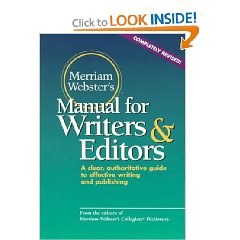
具体描述
1911-13 and the equally uninhibited steps of the 1960s.<br > FOREWORD The first, kn imal d featured steps like<br > the turkey trot, the grizzly bear and the rabbit wrasfle;<br > Davy Crockett fur hats, hula hoopthg, goldfish swal- while five decades later there was the twist, together<br > lowing, streaking, mah jongg--all in their time at- with its many later variants like the shagfl~/dog, the<br > ~ned faddish fame. But this narrative about fads in jerk and the fish. Both were done by the young, re<br > America since 1890 will also cover many a fad that pudiating the slow rhythms of the old (or should we<br > dJds t reach such legendary proportions: G-R-O-N-K say "the older ?). The deely bobbers of the 1980s echo<br > I-N-G, bed tucking, op talking, coughing ashtrays and the crazy beach hats of the 1950s, and yesterday s<br > ankle bracelets. Included here are dances like the tar kewpta doll is today s smurl.<br > key trot and the twist; toys and dolls like slinky and the And although it is by no means the typical case,<br > kewpie and Barbie dolls; items of clothing like the it also happens at times that fads become "institution-<br > hobble skirt and the Euganie hat; stunts like peanut alized," reaching the point of being so commonplace<br > pushing and flagpole sitting; college students fancies that people no longer think of them as passing plea-<br > pie killing and piano hacking; cartoon-inspired fads surabla fancies. This has happened with crossword<br > the crazes for Betty Boop and Batroan; lads sparked puzzles, which--after provoking feverish faddism in<br > by magnetic personalities, like the Milton Bede makeup 1925--are now just a humdrum staple of the daily<br > klti and the "urban cowboy" obsession that followed newspaper. It has happened, too, with the tango and<br > John Travolta s appearance in the movie of that name; the Charleston; while no longer the stylish steps they<br > as well as iust plain unclaasiflable fads like commemo- were in 1914 and 1925, respectively, yet they are not<br > relive historic spoons and pet rocks, at all unknown on today s dance floors. The same fate<br > What, then, might a fad be? Essentially it is a short- has befallen ffisbee throwing, scrabble and ping-pong.<br > lived activity, item of dress, toy or whatever that gives These "institutionalized" fads will also be included in<br > pleasure. For giving pleasure is definitely the primary this account, but the description will focus on the pe-<br > excuse for a fad s existence. Engaging in a fad is in no riod of their most ovetauhelming obsession--the time<br > way necessary for survival. You don t need a fad like when they were ~ uly fads.<br > ~u need to eat, sleep or work. You manifest this or Yet there are certain manifestations often consid-<br > that fad merely for the fun of it_ You don a Euganie ered somewhat faddish in nature that this book will<br > hat when that striking chapeau is the newest thing, or not coven It will not include diet fads, for instance,<br > 0u gyrate lithely in your hula hoop when that is the because this is a book about things that have given us<br > activity, or you doff your clothes and streak when pleasure, not about types of abstinence. Nor, follow-<br > t d~sh in the buff to catch people s fancy (or their out- tag a similar rationale, will it include the various rages<br > ~)Is the pleasurable new craze of the moment, for substances supposedly having medicinal proper-<br > A lad, then, is the newest thing, and it is precisely ties, like Hadacol or chlorophyll. The ancient Oriental<br > b~ novelty that accounts for much of its popularity-- medical practice, acupuncture, wh ch flourished in the<br > lrmuch of the collective imitation so indispensible for 1970 s will, however, be considered because it at<br > Kld0m. The animal dances were new around 1910, tained a most extraordinary celebrity status,<br > were crossword puzzles in the 1920s, the Eugenic Also, since this book is about things and activities,<br > kt in the 193fls, zoot suits in the 1940s, frisbee not about ideas, it will not cover any religious, quasi-<br > infl in the 1950s, skateboarding in the 1960s, religious or inspirational fancies or brief movements.<br > rts~in the 1970s and Rubik s Cube in the 1980s. Thus, Coueism of the 1920s will not be discussed, nor<br > lh0seateo~ya fewofthebest-knownexampkis, est, Hare Ktishna or transcendental meditation. Nor<br > h~ faddish manifestation in this book--and there will it discuss other briefly experienced phenomena--<br > : ~momthan240--wasonceconsideredintriguingly encounter groups, open marriage, primal scream<br > ~, and hence ripe for the excited imitation of great theories--that have more to do with ideas than with<br > b~of always-receptive Americans. tangible objects and activities engaged in purely for<br > i Thls has proved true even when the fad is not pleasure s sake. In short, these are matters both seit<br > ~t ~ Some "new" fads turn out to be just old ous and beyond this book s ken.<br > I that time had forgotten reappearing in a slighfiy But fads are serious business, too, even if they<br > form or even in the same guise, King Tut per- sometimes appear entirely frivolous. Although it is ad-<br > en, bicycling, roller skating and ping-pong all mittedly difficult to regard deely bobbers or beach hats<br > morn than one moment in the faddish sun. with donkeys on them as weighly matters, fads fiaue<br > among nonldentical fads that recur, very ex-<br > ~ slmilatities added a zesty tang to American life while evoking great<br > controversy and damning harangues--and what could<br > can<br > sometimes<br > be<br > spotted.<br > il~ Immedtstely to mind are the wild dances of be more serious than that? Fads may not mirror Amer-<br >
作者简介
目录信息
读后感
用户评价
这本书的结构,坦白讲,简直是一团乱麻。它似乎完全拒绝遵循线性叙事的时间轴,章节之间随意跳跃,前言中埋下的伏笔,直到全书收尾的附录里才被轻描淡写地提及。这让我在阅读过程中不得不频繁地翻回去核对人名和地点的对应关系,像是在重组一幅被打碎的、没有图例的拼图。我花了将近一半的时间试图理解“镜中之城”和“雾中集会”这两个反复出现的意象究竟代表着什么,是象征、是梦境,还是平行宇宙的入口?作者始终吝啬于给出明确的指引,留给读者的只有无尽的揣测空间。这种手法固然可以营造出一种迷离的、后现代主义的氛围,但对于我这种更偏爱逻辑清晰、因果明确的读者来说,实在是一种煎熬。它更像是一本概念艺术的图录,而非一部传统意义上的小说。你读到的不是一个故事的起承转合,而是一系列情绪碎片和概念的并置。我不得不承认,这种破碎感在某种程度上是成功的,它确实让你对“现实”的定义产生了怀疑,但这怀疑带来的更多是挫败感。
这部作品,初读时着实让人有些摸不着头脑,它的叙事节奏像是老式留声机突然卡住又忽然加速,充满了意料之外的跳跃。我记得最清楚的是关于那位名叫埃尔维斯的老园丁,他似乎是整部小说的核心,但作者却总是在我们以为要深入挖掘他的内心世界时,又突然将焦点拉回到一片描述得极其详尽的蕨类植物的纹理上。这让我感到一种奇特的疏离感,仿佛作者故意设置了一道玻璃墙,让我们只能远远地观察这些角色,无法真正触碰到他们的灵魂。书中对于十八世纪末期东欧某个虚构小镇的描绘,达到了近乎病态的精确,街道的石板缝隙、墙壁上苔藓的颜色,都被描摹得纤毫毕现,可偏偏是人物之间的对话,却显得异常空洞和程式化,像是一出排练了无数次的拙劣戏剧。有那么几处,我甚至怀疑作者是不是在用一种反讽的手法来解构传统小说的宏大叙事,但这种怀疑很快就被下一章中突然出现的、极其煽情的爱情独白给打断了。整体感觉,它像是一幅由最精美的油彩绘制而成,却被故意涂抹了几个巨大而突兀的黑色污点的油画,令人既赞叹其技艺,又对那抹不去的瑕疵感到困惑与不解。我对作者在构建这种荒诞与写实之间的平衡感的努力表示钦佩,尽管这种平衡时常摇摇欲坠。
如果说有什么地方让我感到惊艳,那一定是作者对于“声音”和“寂静”的运用,这在文学作品中是极为罕见的精妙处理。书中关于那位失聪音乐家的描述,简直是教科书级别的感官转换。作者没有去描写他“听不见”什么,而是细致入微地描绘了他如何“感知”振动,如何通过地面的微小震颤来判断乐器的音高和节奏。我能清晰地想象到那种通过脚底板和胸腔传来的低音轰鸣。与之形成鲜明对比的是,当叙事转向那个被认为充满“神圣寂静”的修道院时,笔触又变得空灵而飘渺,所有的物理噪音似乎都被抽离了,只剩下角色内心的独白在回响。这种对听觉世界的极端放大与极端剥夺的交替使用,使得小说的氛围层次异常丰富。尽管情节推进缓慢,但我愿意为了这种对感官的精妙调控而忍受其他方面的瑕疵。它让我重新审视了“阅读”的定义,原来文字可以不仅仅是视觉的刺激,更可以被“听见”和“感觉到”。这绝对是一次独特的、近乎冥想的阅读体验。
我得说,这本书的语言风格简直就是一场文字的狂欢,但这种狂欢有时候让人精疲力尽。它大量运用了极其晦涩的古词和一些我必须停下来查阅的专业术语,涉及天文学、航海术以及中世纪炼金术的知识点。阅读过程更像是破解一份加密的手稿,而非享受一个故事。尤其是在描述主角进行的那场漫长的海上航行时,每隔几页就会插入一段关于潮汐计算的冗长段落,读起来枯燥乏味,几乎让人昏昏欲睡。然而,一旦作者决定展现其叙事张力,那种爆发力又是惊人的。我尤其喜欢第三部分,那段关于“时间倒流的悖论”的哲学探讨,虽然晦涩,却极具启发性,让人不得不放下书本,对着天花板沉思良久。作者似乎迷恋于构建复杂的知识体系,然后将人物置于其中,让他们像微不足道的棋子一样挣扎。这不适合寻求轻松阅读体验的读者,它需要你投入极大的认知负荷。读完后,我感觉自己像刚完成了一场高难度的智力测验,有种胜利的疲惫感,而非故事带来的情感满足。
这本书的社会批判性是毋庸置疑的,但它的表达方式极其隐晦,达到了令人发指的地步。它没有直接抨击任何政治体制或社会弊病,而是通过描绘一群沉溺于无意义的仪式和繁文缛节的贵族形象来达到目的。例如,书中有一章专门描述了一场长达四十页的“继承权宣誓仪式”,其中包含了对特定餐具摆放角度的苛刻规定,以及对某种已经消亡的方言发音的严格要求。这些描写表面上荒诞可笑,但字里行间透露出的那种对形式的盲目崇拜和对实质内容的抛弃,无疑是对僵化官僚体系的辛辣讽刺。我不得不佩服作者的耐心,他能用如此大量的篇幅去渲染这些“无用之用”,最终达到一种令人窒息的讽刺效果。然而,这种讽刺的门槛设得太高了,如果读者没有一定的历史或社会学背景,很可能只会将其视为一群神经病在进行无聊的游戏,错失了作者的真正意图。我个人是看懂了,但阅读体验上来说,这种“隔着厚厚的滤镜看世界”的感觉,实在不轻松。