
具体描述
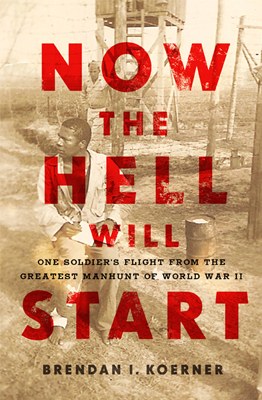
A true story of murder, love, and headhunters, Now the Hell Will Start tells the remarkable tale of Herman Perry, a budding Romeo from the streets of Washington, D.C., who wound up going native in the Indo-Burmese jungle—not because he yearned for adventure, but rather to escape the greatest manhunt conducted by the United States Army during World War II.
An African American G.I. assigned to a segregated labor battalion, Perry was shipped to South Asia in 1943, enduring unspeakable hardships while sailing around the globe. He was one of thousands of black soldiers dispatched to build the Ledo Road, a highway meant to appease China’s conniving dictator, Chiang Kai-shek. Stretching from the thickly forested mountains of northeast India across the tiger-infested vales of Burma, the road was a lethal nightmare, beset by monsoons, malaria, and insects that chewed men’s flesh to pulp.
Perry could not endure the jungle’s brutality, nor the racist treatment meted out by his white officers. He found solace in opium and marijuana, which further warped his fraying psyche. Finally, on March 5, 1944, he broke down—an emotional collapse that ended with him shooting an unarmed white lieutenant.
So began Perry’s flight through the Indo-Burmese wilderness, one of the planet’s most hostile realms. While the military police combed the brothels of Calcutta, Perry trekked through the jungle, eventually stumbling upon a village festooned with polished human skulls. It was here, amid a tribe of elaborately tattooed headhunters, that Herman Perry would find bliss—and would marry the chief ’s fourteen-year-old daughter.
Starting off with nothing more than a ten-word snippet culled from an obscure bibliography, Brendan I. Koerner spent nearly five years chasing Perry’s ghost—a pursuit that eventually led him to the remotest corners of India and Burma, where drug runners and ethnic militias now hold sway. Along the way, Koerner uncovered the forgotten story of the Ledo Road’s black G.I.s, for whom Jim Crow was as virulent an enemy as the Japanese. Many of these troops revered the elusive Perry as a folk hero—whom they named the Jungle King.
Sweeping from North Carolina’s Depression-era cotton fields all the way to the Himalayas, Now the Hell Will Start is an epic saga of hubris, cruelty, and redemption. Yet it is also an exhilarating thriller, a cat-and-mouse yarn that dazzles and haunts.
作者简介
目录信息
读后感
用户评价
这部作品的结构精妙得像一座复杂的钟表,每一个齿轮——每一个段落、每一次场景切换——都必须完美啮合,才能驱动整体的叙事运转。我感觉作者像一个高明的建筑师,不仅设计了宏伟的框架,连内部的通风管道和电线布局都考虑得一清二楚。这本书的张力并非完全建立在外部的动作戏上,更多的是一种内在的、心理层面的挤压。人物之间的关系错综复杂,充满了未言明的恩怨和深植的依赖,每一次互动都充满了试探和博弈。最让我印象深刻的是,作者对“沉默”的运用。有时候,一页纸上只有寥寥数语,但那份空白和停顿,比任何激烈的宣言都更有力量,它迫使读者去填补空白,去想象那份沉默背后沉甸甸的重量。这是一部需要反复品味的“慢阅读”佳作,每一次重读,我都能发现之前忽略掉的、被精心埋藏的小线索,简直是文学上的一个奇迹。
坦白讲,一开始我对这本书的期待并不高,封面设计略显沉闷,书名也带着一股子强硬的劲儿。然而,一旦翻开,那种文学的力量感立刻就抓住了我。作者的语言风格非常独特,夹杂着一种老派的、近乎诗意的庄重感,但同时又能在描述残酷现实时,使用极其精准和锐利的比喻。它不是那种流畅到让你感觉不到文字存在的作品,恰恰相反,你时时刻刻都能感受到“作者正在雕刻文字”的痕迹,但这种雕刻是服务于情感的,绝不矫揉造作。我特别欣赏作者对环境的描绘,那些地理环境不仅仅是故事发生的背景,它们本身就像是活着的角色,参与到人物的命运之中。比如,书中对那片荒凉的海岸线的描写,那种永恒的、不加掩饰的冷漠感,与主角内心的挣扎形成了完美的张力。读完后,我感觉自己的词汇量似乎都得到了提升,它拓宽了我对如何用文字表达“存在”的理解。
这本书,天哪,简直是把我拉进了另一个时空,读完之后感觉灵魂都跟着颤抖了一下。作者的叙事功力实在太高超了,那种细节的描绘,仿佛每一个场景都发生在我的眼前。我记得有那么一个章节,主人公在破旧的街道上行走,那种压抑、绝望的气氛,让我几乎能闻到空气中弥漫的灰尘和潮湿的味道。每一个人物的刻画都极其立体,不是那种脸谱化的好人或坏蛋,他们都有自己难以言说的过去和挣扎。我尤其喜欢作者处理冲突的方式,不是那种直来直去的爆发,而是像慢火炖煮一样,一点点地累积,直到最后的情感喷薄而出时,那种震撼力是无与伦比的。而且,这本书的节奏掌握得恰到好处,在紧张的追逐和沉静的内心独白之间切换自如,让你根本停不下来,一口气读完,放下书的时候,屋外天色已晚,我才意识到自己错过了好几个小时。这本书不仅仅是一个故事,它更像是一面镜子,照出了人性中最幽微、最复杂的部分。
如果用一个词来形容这次阅读经历,我会选择“心悸”。这本书的情感内核处理得极其大胆和细腻,它毫不留情地揭示了人性中的脆弱和强韧是如何共存的。故事中涉及的道德困境非常尖锐,它没有提供简单的答案或安慰,而是将读者推到了一个必须自行审视价值观的境地。我记得有那么一个转折点,主人公做出了一个极其艰难的选择,当时我的心跳都漏了一拍,我能清晰地感受到那种被逼入绝境的无助感,仿佛那是自己正在经历的痛苦。这本书的伟大之处在于,它让你感到不适,却又让你无法停止阅读,因为它触及到了我们每个人内心深处最不愿意承认的那部分阴影。它不是为了取悦读者而存在的,它是为了探索真相而存在的,即便是那个真相可能令人难以承受。这是一部需要勇气才能读完的作品,但它给予的回报,远超付出的情感成本。
读完这部作品,我必须得说,这绝对是我近年来读过最具颠覆性的阅读体验之一。它完全打破了我对传统叙事结构的期待。作者似乎故意将时间线打乱,让读者在迷雾中摸索前进,但奇怪的是,这种混乱感非但没有造成阅读障碍,反而成了一种独特的吸引力。每当我以为自己抓住了故事的主线时,作者就会扔出一个新的谜团,或者用一个看似无关紧要的细节,将整个逻辑链条重新构建。特别是对“记忆”这个主题的处理,简直是鬼斧神工。它探讨了记忆的不可靠性,以及我们如何通过构建和重塑过去来支撑现在的存在。书中的对话简洁而有力,充满了潜台词,我常常需要停下来,反复琢磨某一句看似平常的对白,才能领悟到它背后隐藏的巨大信息量。这绝对不是那种读完就忘的快餐文学,它需要你全神贯注地投入,甚至在合上书后,还要花时间去整理思绪,回味那些未曾明言的深意。