
具体描述
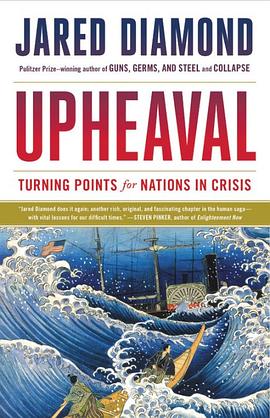
In his earlier bestsellers Guns, Germs and Steel and Collapse, Jared Diamond transformed our understanding of what makes civilizations rise and fall. Now, in the final book in this monumental trilogy, he reveals how successful nations recover from crisis through selective change — a coping mechanism more commonly associated with personal trauma.
In a dazzling comparative study, Diamond shows us how seven countries have survived defining upheavals in the recent past — from US Commodore Perry’s arrival in Japan to the Soviet invasion of Finland to Pinochet’s regime in Chile — through a process of painful self-appraisal and adaptation, and he identifies patterns in the way that these distinct nations recovered from calamity. Looking ahead to the future, he investigates whether the United States, and the world, are squandering their natural advantages, on a path towards political conflict and decline. Or can we still learn from the lessons of the past?
Adding a psychological dimension to the awe-inspiring grasp of history, geography, economics, and anthropology that marks all Diamond’s work, Upheaval reveals how both nations and individuals can become more resilient. The result is a book that is epic, urgent, and groundbreaking.
作者简介
Jared Diamond, a noted polymath, is Professor of Geography at the University of California, Los Angeles. Among his many awards are the U.S. National Medal of Science, Japan’s Cosmos Prize, a MacArthur Foundation Fellowship, a Pulitzer Prize for General Nonfiction, and election to the U.S. National Academy of Sciences. He is the author of the international best-selling books Guns, Germs, and Steel, Collapse, Why Is Sex Fun?, The World until Yesterday, and The Third Chimpanzee, and is the presenter of TV documentary series based on three of those books.
目录信息
读后感
The book resonates with me so much. The author had gone through a personal crisis arising from the dilemma between discontinueing his field of studies and becoming a simultaneous translator. I used to have similar personal crisis like the author did. I also...
The book resonates with me so much. The author had gone through a personal crisis arising from the dilemma between discontinueing his field of studies and becoming a simultaneous translator. I used to have similar personal crisis like the author did. I also...
The book resonates with me so much. The author had gone through a personal crisis arising from the dilemma between discontinueing his field of studies and becoming a simultaneous translator. I used to have similar personal crisis like the author did. I also...
The book resonates with me so much. The author had gone through a personal crisis arising from the dilemma between discontinueing his field of studies and becoming a simultaneous translator. I used to have similar personal crisis like the author did. I also...
The book resonates with me so much. The author had gone through a personal crisis arising from the dilemma between discontinueing his field of studies and becoming a simultaneous translator. I used to have similar personal crisis like the author did. I also...
用户评价
《Upheaval》这本书,给我带来的惊喜是层出不穷的。从一开始我就知道它不是一本简单的故事书,它有着更深邃的内涵和更广阔的视野。作者的叙事结构非常精巧,他能够巧妙地将不同的故事线索串联起来,最终汇聚成一个令人惊叹的整体。 我尤其欣赏作者对人物内心世界的描绘。他能够精准地捕捉到角色的情绪波动,将他们的喜怒哀乐、恐惧与希望,通过细腻的笔触展现出来,让读者感同身受。我常常会因为某个角色的内心独白而驻足,思考他所经历的一切。 《Upheaval》的主题非常深刻,它探讨了关于权力、自由、牺牲以及如何在混乱的世界中寻找意义的议题。这些议题具有普遍性,能够引起不同时代、不同背景读者的共鸣。 阅读这本书的过程,也是一个不断学习和思考的过程。作者提出的问题,往往没有简单的答案,而是需要读者自己去探索和体悟。这种互动式的阅读体验,让这本书的价值更加凸显。
这本《Upheaval》确实是一部让我欲罢不能的作品。从翻开第一页的那一刻起,我就被深深地吸引住了。作者构建了一个极其细腻、错综复杂的叙事世界,仿佛一个精密的钟表,每一个齿轮、每一个发条都运作得天衣无缝。故事的开端,那些看似微不足道的细节,在后续的章节中如同种子般发芽、生长,最终汇聚成一股磅礴的力量,彻底颠覆了我最初的预设。 我尤其欣赏作者在人物塑造上的功力。主人公并非那种一蹴而就的英雄,他有着普通人的挣扎、迷茫与脆弱,但正是这些不完美,让他显得如此真实可感。他的每一次选择,无论是对是错,都牵动着我的心弦,让我感同身受,仿佛我也一同走在那条布满荆棘的道路上。配角们同样各有千秋,他们不是简单的背景板,而是推动情节发展、赋予故事深度的重要元素。他们之间的互动,时而充满张力,时而温情脉脉,为整个故事增添了丰富的层次感。 《Upheaval》的叙事节奏把握得极佳,时而舒缓,细致描绘人物的内心世界,时而又疾风骤雨,将读者置于惊心动魄的事件之中。作者对于细节的描绘更是达到了炉火纯青的地步,无论是环境的刻画,还是情绪的渲染,都充满了画面感,让我仿佛身临其境。我常常会在阅读时停下来,回味那些精妙的句子,思考作者想要传达的深层含义。 这本书不仅仅是一个精彩的故事,它更像是一面镜子,映照出人性中那些复杂而矛盾的光辉。它探讨了关于选择、命运、责任以及在逆境中如何寻找希望的主题。每一次阅读,我都能从中获得新的启示,对生活、对自我有了更深刻的理解。
老实说,最初被《Upheaval》吸引,纯粹是因为它的封面设计,那是一种极具视觉冲击力的风格,让我好奇封面之下究竟隐藏着怎样的故事。而当我真正沉浸其中后,我发现我被深深地吸引住了,并且这份吸引力随着阅读的深入而不断加强。作者的文字功底非同一般,他能够用最简洁的语言勾勒出最生动的画面,用最深刻的洞察剖析最复杂的人性。 我从未读过一本能够如此精准地捕捉到集体情绪和社会变迁的作品。它所描绘的那些动荡的年代,那些在变革洪流中浮沉的人物,让我联想到历史上的许多相似时刻。作者并没有简单地叙述事件,而是深入到事件发生的根源,探究那些导致“Upheaval”的深层原因,以及它对个体命运产生的连锁反应。 我尤其喜欢作者在处理宏大叙事与个体命运之间关系时的平衡。他既能展现波澜壮阔的历史画卷,又能将笔触聚焦于那些在历史洪流中努力求生的普通人,他们的喜怒哀乐,他们的坚持与放弃,都显得那么真实而动人。这种双重视角,让整个故事更加立体,也更具感染力。 《Upheaval》让我思考了许多关于社会结构、权力运作以及个人在其中所扮演角色的问题。它不是一本轻松的书,需要读者投入时间去思考、去品味,但这份投入是值得的,因为你将从中获得的思考将远远超出你付出的努力。
《Upheaval》这本书,在我心中留下了深刻的烙印。作者的叙事方式非常独特,他能够将宏大的历史背景与个体命运紧密地结合起来,创造出一个充满张力和感染力的故事。 我被书中人物所展现出的智慧和勇气所打动。他们并非拥有超凡的能力,而是在绝境中,通过不懈的努力和顽强的坚持,最终改变了自己的命运。他们的故事,是对人类精神的最好诠释。 《Upheaval》在语言的运用上极其讲究,它既有画面感十足的描写,又有富有哲理的思考。作者能够用最精炼的语言,传达出最深刻的含义,让读者在阅读的过程中,不仅能感受到故事的魅力,更能获得思想上的升华。 这本书的结构设计也十分巧妙,它并非简单的线性叙事,而是通过多条故事线的穿插,以及不同时间节点的切换,来构建整个故事。这种叙事方式,虽然需要读者更集中注意力,但却能带来更丰富、更立体的阅读体验。
难以置信《Upheaval》能在如此细致入微的层面上触及我的内心。作者的笔触如同画家的调色盘,将各种复杂的情感和深刻的思考,以最恰当的色彩呈现出来。故事中的每一个人物,都仿佛是从现实生活中走出来的一般,拥有着鲜活的生命力和独特的故事。 我特别欣赏作者在描述特定历史时期和社会氛围方面的能力。他成功地营造了一种令人信服的时代感,让我仿佛穿越时空,亲身经历了那个变革与动荡的年代。书中对当时人们的生活方式、思想观念的描绘,都充满了历史的厚重感。 《Upheaval》并非只是对历史事件的简单记录,它更侧重于探讨这些事件背后的驱动力,以及它们如何深刻地改变了生活在其中的人们。作者对人性的洞察力令人赞叹,他能够挖掘出隐藏在表象之下的深层动机,揭示出在压力和冲突面前,人性的复杂与多变。 阅读这本书的过程,更像是一种心灵的洗礼。它让我反思了许多关于个人选择与集体命运之间的关系,关于在混乱中如何保持清醒,以及在绝望中如何寻找希望。这本书的内容深刻且发人深省,值得反复阅读和品味。
《Upheaval》是一部让我久久不能忘怀的作品。作者构建了一个极其宏大且细节丰富的世界观,并在其中巧妙地编织了一个扣人心弦的故事。从开篇的铺垫,到中间的层层递进,再到最后的震撼结局,整个过程都充满了智慧与力量。 我从未想过一部小说能够如此深入地探讨社会结构性问题,以及它们如何影响个体生活的方方面面。作者在处理这些复杂议题时,展现出了非凡的洞察力和分析能力,他能够将抽象的概念具象化,让读者能够直观地感受到这些问题带来的影响。 人物的塑造是《Upheaval》最吸引我的地方之一。他们不是完美的,而是充满了人性的缺点和挣扎,正是这些不完美,让他们显得如此真实和 relatable。他们的选择,他们的困境,他们的成长,都深深地牵动着我的心。 书中对环境的描写也极其生动,无论是宏伟的城市景象,还是幽静的乡村风光,都被作者描绘得栩栩如生,为故事增添了浓厚的氛围感。这种细致的刻画,让整个故事更加沉浸。
《Upheaval》给我带来的震撼,并非来自于情节的跌宕起伏,而是来自于它所呈现出的对人性深处的洞察。作者以一种极其冷静而客观的视角,剖析了在极端环境下,人们会做出怎样的选择,以及这些选择将如何影响他们的命运。 我被书中人物所展现出的坚韧和勇气所打动。他们并非天生的战士,而是在逆境中,通过一次次的尝试和失败,逐渐找到了自己的力量。他们的成长之路,充满了坎坷,但也因此显得格外珍贵。 《Upheaval》的语言风格独树一帜,它既有诗意的描绘,又不失理性的分析。作者能够用极其精炼的文字,传达出极其丰富的信息,让读者在阅读的过程中,不仅能感受到故事的情感张力,更能获得深刻的思想启迪。 这本书的结构也非常有意思,它并非传统的线性叙事,而是通过多重视角的切换,以及不同时间线的交织,来构建整个故事。这种叙事方式,虽然需要读者更投入,但却能带来更丰富、更立体的阅读体验。
《Upheaval》带给我的体验,如同在迷雾中探索,每一次拨开眼前的迷雾,都会发现新的景象,而这些景象又将引导你去探索更深处的奥秘。作者的叙事手法极其巧妙,他善于设置悬念,引人入胜,同时又能在关键时刻给出出人意料的转折,让读者应接不暇。 我被书中人物的成长轨迹深深打动。他们并非天生的强者,而是经历了无数次的跌倒与爬起,在困境中不断磨砺,最终绽放出属于自己的光芒。作者并没有回避人物的缺点和错误,反而将这些部分也袒露出来,这使得人物形象更加丰满,也更具说服力。 《Upheaval》在情感的表达上也极具张力。无论是角色的内心挣扎,还是他们之间复杂的情感纠葛,都被作者刻画得入木三分。我常常会在阅读过程中,为角色的遭遇而感到揪心,为他们的成功而感到欣慰。这种强烈的情感共鸣,是优秀作品的标志。 这本书的结构设计也非常有意思,它并非线性的叙事,而是通过不同人物的视角、不同时间线的穿插,最终汇聚成一个完整的图景。这种非线性的叙事方式,虽然需要读者更集中注意力,但却极大地增强了故事的深度和复杂性,也让最终的理解更具成就感。
《Upheaval》这本书,给我带来的启示是多方面的。作者以一种极其细腻而深刻的笔触,描绘了一个充满变革与挑战的世界,以及生活在其中的人们所经历的挣扎与成长。 我尤其欣赏作者在刻画人物心理活动方面的功力。他能够精准地捕捉到角色的每一个细微的情绪变化,并将这些变化通过生动的语言展现出来,让读者能够完全理解角色的内心世界。 《Upheaval》所探讨的主题,如自由、责任、以及在困境中如何寻找希望,都具有极强的现实意义。作者提出的问题,往往没有简单的答案,而是需要读者自己去探索和体悟。 这本书的叙事风格非常引人入胜,作者能够巧妙地运用各种叙事技巧,将故事讲述得引人入胜,让读者沉浸其中,无法自拔。我常常会在阅读时,因为情节的进展而心跳加速,也因为角色的命运而感到忧心。
《Upheaval》这本书,给我带来的阅读体验是前所未有的。作者的想象力是如此的丰富,他能够构建出一个如此庞大且细节充沛的世界,并在其中创造出如此引人入胜的故事。 我尤其欣赏作者在构建人物时所展现出的深度。每一个角色,无论其戏份多少,都拥有着独特的人物弧光和鲜明的个性。他们之间的互动,充满了张力,也充满了温情,为整个故事增添了无限的魅力。 《Upheaval》不仅仅是一个故事,它更是一种对社会现象和人类情感的深刻探索。作者提出的问题,往往具有极强的现实意义,能够引发读者对自身生活和所处社会的思考。 这本书的叙事节奏把握得非常到位,时而紧张刺激,时而舒缓细腻,让读者在阅读的过程中,始终保持着高度的参与感。我常常会在阅读时,为角色的命运而捏一把汗,为他们的成功而感到由衷的欣喜。
前半扫盲后半洗脑。虽是面向美国人的generalization,但也让无知的我吃得心甘情愿 | Framework 还算一些有意思,虽然学术卦得有些明显 | 如果82岁的时候能像作者一样见识经历过多个文化国家的历史变迁大约也不枉此生了吧
作者对中国的解读不知道是停留在哪个年代,难以认同,拿出的优劣对比之处早已发生改变。尤其”the biggest single disadvantage that will prevent China from ever catching up with the U.S. in average income per person—as long as the U.S. remains democratic and China remains non-democratic.” 不论哪种体制,最终还是得看最高决策人的水平;另,感谢美帝披着外衣的『民主』,不然不会有川某上台,天天给娱乐新闻加料。期待美帝将民主进行到底!
Diamond写这本书的时候82岁了——他在书里自己说的,他不说我还不知道,总以为他才六十来岁,然后自己吓了一跳,原来看Germs,guns and steel已经是十年前的事了。很显然,82岁的Diamond写这本书的时候,想着的是“要给地球留下点什么”。这本书讲不同国家应对危机的方式,举了七个不同程度上成功应对危机的例子,而最后两章关于现代的日本和美国,则是结局还未见分晓。最后一部分,则从国家扩展到整个人类所面对的危机。我的感想:1)一直觉得Diamond太啰嗦,这本书居然并不让我厌烦,大概每个国家的故事都讲得清楚,有新的知识点;2)具体故事比作者隆重推出的应对危机12点要好看,12点不是不好,但没有什么让人醍醐灌顶的新意。3)既然不觉得这本书啰嗦,我决定把之前没看完的上一本再翻出来。
few insights
没啥新鲜的。几个案例也不能总结出什么来。