
具体描述
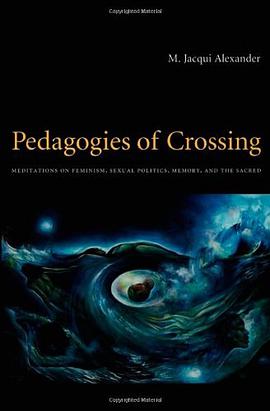
M. Jacqui Alexander is one of the most important theorists of trans-national feminism working today. "Pedagogies of Crossing" brings together essays she has written over the past decade, uniting her incisive critiques, which have had such a profound impact on feminist, queer, and critical race theories, with some of her more recent work. In this landmark interdisciplinary volume, Alexander points to a number of critical imperatives made all the more urgent by contemporary manifestations of neo-imperialism and neo-colonialism. Among these are the need for North American feminism and queer studies to take up trans-national frameworks that foreground questions of colonialism, political economy, and racial formation; for a thorough re-conceptualization of modernity to account for the hetero-normative regulatory practices of modern state formations; and, for feminists to wrestle with the spiritual dimensions of experience and the meaning of sacred subjectivity. In these meditations, Alexander deftly unites large, often contradictory, historical processes across time and space. She focuses on the criminalization of queer communities in both the United States and the Caribbean in ways that prompt us to rethink how modernity invents its own traditions; she juxtaposes the political organizing and consciousness of women workers in global factories in Mexico, the Caribbean, and Canada with the pressing need for those in the academic factory to teach for social justice; she reflects on the limits and failures of liberal pluralism; and she presents original and compelling arguments that show how and why trans-generational memory is an indispensable spiritual practice within differently constituted women-of-colour communities as it operates as a powerful antidote to oppression. In this multifaceted, visionary book, Alexander maps the terrain of alternative histories and offers new forms of knowledge with which to mould alternative futures. M. Jacqui Alexander is Professor of Women's Studies and Gender Studies at the University of Toronto. She is a co-author of "Sing, Whisper, Shout, Pray! Feminist Visions for a Just World" and co-editor of "Feminist Genealogies, Colonial Legacies, Democratic Futures".
作者简介
目录信息
读后感
用户评价
《Pedagogies of Crossing》这个书名,在我脑海中勾勒出了一幅充满挑战与机遇的画面。它预示着一场关于教育本质的深度探索,一场关于如何打破边界、重塑知识格局的革命。我一直相信,真正的教育,不应该是对既有知识的简单复制,而应该是一种引导个体去发现、去连接、去创造的旅程。 “Crossing”一词,在我看来,是这本书的核心精髓。它不仅仅是指学科之间的跨越,更可能包含了文化、社会、甚至个体意识层面的跨越。我希望这本书能够深入探讨,如何在多元化的环境中,通过教育的方式,促进不同群体之间的理解与融合,培养具有全球视野和跨文化沟通能力的下一代。 “Pedagogies”则表明了本书的学术严谨性和实践指导性。我期待作者能够基于扎实的理论基础,提出一套行之有效的教学方法。这些方法或许能够帮助教育者们打破传统教学的僵化模式,鼓励学生进行主动探究,培养他们的批判性思维和解决问题的能力。 我非常好奇,这本书会如何阐释“Crossing”的含义。它是否会涉及STEAM教育中的跨学科融合?是否会关注艺术与科学的对话?又或者,它会更侧重于社会实践和社区参与,通过实际行动来促进学生对社会的理解和贡献?我对这些可能的方向都充满浓厚的兴趣。 最终,我希望《Pedagogies of Crossing》能够为我带来深刻的启示,它或许能让我重新审视自己作为学习者和潜在教育者的角色,激励我拥抱变化,勇于探索,并积极地将“跨越”的精神融入到未来的学习和工作中。这本书仿佛在我心中播下了一颗好奇的种子,我迫不及待地想看到它生根发芽。
这本书的名字叫《Pedagogies of Crossing》,光是这个名字就足够让人好奇。它仿佛在暗示着一种超越传统界限、跨越学科、文化甚至个人经验的学习方式。我一直对那些能够挑战固有思维模式、启发全新视角的作品充满兴趣,而“Crossing”(穿越、跨越)这个词,在我看来,就蕴含着这种打破藩篱、探索未知的强大力量。 我期待这本书能够深入探讨,在当今这个信息爆炸、边界日益模糊的时代,我们应该如何重新审视和设计教育。它或许会提出一些颠覆性的教学理念,鼓励学生们在多元化的背景下进行思考,甚至融合不同领域的知识和方法。我猜想,作者会引用大量的案例研究,展示那些成功的“跨越式”教育实践,这些实践是如何在复杂的现实世界中培养出具有创新能力和适应性的人才的。 “Pedagogies”(教育学、教学法)则明确了本书的学术性和实践性。这不仅仅是一本空泛的理论探讨,更可能是一本为教育工作者、研究者甚至是学生们提供的宝贵指南。我希望能从中了解到具体的教学策略,如何设计能够激发学生好奇心、促进深度学习的课程,如何营造一个鼓励探索和尝试的学习环境。 最让我感兴趣的是,“Crossing”这个词在不同的语境下有着丰富的含义。它可以是跨越文化鸿沟的理解,可以是跨越学科壁垒的整合,也可以是跨越自我局限的成长。这本书是否会触及这些不同的维度?它是否会探讨,在日益全球化的世界中,如何培养具有跨文化理解能力和跨文化交流能力的下一代? 我非常希望这本书能够带来一些前所未有的思考,它或许会让我重新定义“学习”的意义,理解教育的真正目的不仅仅是知识的传递,更是能力的塑造,是人格的养成,是与世界建立更深层连接的桥梁。我期待它能提供一种全新的视角,让我看到教育在塑造个人和社会未来中所能扮演的更积极、更具变革性的角色。
读到《Pedagogies of Crossing》这个书名,脑海里立刻浮现出无数奔腾的河流和辽阔的原野。这不是一本关于静止不动知识的陈述,而更像是一场关于如何跨越、如何连接、如何融合的宏大叙事。我总觉得,真正有价值的学习,从来不是在围墙之内进行的,而是需要我们勇敢地迈出舒适区,去接触、去理解那些与我们截然不同的事物。 这本书名传递出一种强烈的动感和开放性。我猜想,作者一定是一位善于观察和思考的教育学者,他/她必定看到了传统教育模式中存在的某种局限性,并试图通过“Crossing”的概念来提出解决方案。这可能涉及到打破学科之间的壁垒,将看似无关的知识领域联系起来,从而激发学生更全面的思考和创造力。 我非常好奇,作者会以怎样的方式来阐释“Pedagogies”这一核心概念。是会从理论层面深入剖析,还是会通过大量生动的教学案例来加以说明?我更倾向于后者,因为我坚信,教育的本质在于实践,而那些成功的教学方法,往往蕴含着最深刻的智慧。如果书中能够提供一些具体可操作的教学设计,或者一些能够引发学生深度参与和反思的活动,那将是这本书最宝贵的财富。 “Crossing”这个词,在我看来,也隐喻着一种精神上的探索。它可能意味着鼓励学生去理解不同的文化、不同的观点、不同的价值观,从而培养他们的同理心和包容性。在一个日益多元化和复杂化的世界里,这种跨越思想界限的能力,无疑是至关重要的。我期待这本书能够为我们提供一种培养这种能力的路径。 总而言之,我对《Pedagogies of Crossing》充满了期待,它仿佛是一张邀请函,邀请我去探索教育的无限可能,去思考如何培养出能够适应未来、创造未来的新一代。我希望这本书能够带来启发,能够激发我更深入地思考教育的意义和价值,并为我提供一些实践上的指导,让我能够更好地理解和践行“跨越式”的学习与教学。
《Pedagogies of Crossing》——这个名字,在我看来,不是简单的词语堆砌,而是一串密码,预示着一场关于教育革新的探索。它让我联想到那些在不同维度上不断穿越、不断连接的个体和思想,也让我开始思考,教育的真正意义,是否就在于引导人们去完成这样的“跨越”。 我对于“Crossing”这个概念的解读,是多层次的。它不仅仅意味着跨越学科的界限,进行知识的融合,更可能蕴含着跨越文化、跨越社会隔阂、甚至跨越个体思维定势的意义。我希望这本书能够深入探讨,如何在多元化的社会语境下,通过教育的方式,促进不同群体之间的理解、共情和协作。 “Pedagogies”则表明了这本书的学术根基和实践导向。我期待作者能够提供一套具有前瞻性和操作性的教学理论与方法。这些方法或许能够打破传统教育模式的局限,鼓励学生进行更具深度和创造力的学习,培养他们在新时代所需的关键能力。 我非常好奇,本书会以何种方式来展现“Crossing”的实践。它是否会引用一些具有代表性的教育案例?这些案例是否能真实地反映出,在不同文化背景和教育环境中,如何成功地实现知识、技能和观念上的“跨越”?我希望能从中获得一些具体而生动的启示。 总的来说,我对《Pedagogies of Crossing》充满了高度的期待。它仿佛是一张藏宝图,指引着我去探索教育领域中那些鲜为人知的宝藏。我希望这本书能够为我带来一次深刻的思想启迪,让我能够更全面地理解教育的潜能,并激发我以更加开放和创新的姿态去面对未来的学习和教育实践。
《Pedagogies of Crossing》——光是这个书名,就足以让人心生向往,仿佛打开了一扇通往未知领域的大门。我总觉得,真正的学习,就应该是一场持续的“跨越”,是不断地突破自我设限,去拥抱那些全新的、可能颠覆我们原有认知的经验。 我尤其对“Crossing”这个词所蕴含的意象着迷。它暗示着一种动态的、充满活力的过程,可能意味着跨越地理的界限,去理解不同的文化;可能意味着跨越学科的藩篱,去整合多元的知识;也可能意味着跨越经验的局限,去探索更广阔的可能。我期待这本书能够深入挖掘这些“跨越”的可能性,并为我们提供一种新的视角来理解教育的本质。 “Pedagogies”则明确了这本书的落脚点——教育的实践与理论。我希望作者能够不仅仅停留在概念的阐述,而是能够提供一些具体、可行的教学策略和方法。这些方法或许能够帮助教育者们打破传统教学的束缚,激发学生内在的学习动力,培养他们独立思考和解决复杂问题的能力。 我想象中的这本书,可能会包含大量的案例分析,展示那些成功的“跨越式”教育实践是如何在不同环境下运作的。这些案例或许能够为我们提供宝贵的借鉴,让我们看到教育如何在促进个人成长和社会进步中扮演更积极的角色。 更重要的是,我希望《Pedagogies of Crossing》能够引发我更深层次的思考,让我重新审视教育的意义和价值。它是否会挑战我们对知识的传统理解?是否会鼓励我们去培养更具适应性和创造力的人才?我期待这本书能够给我带来一次思想上的“跨越”,让我能够以更开阔的视野去看待教育,并从中汲取力量,去拥抱未来的无限可能。