
具体描述
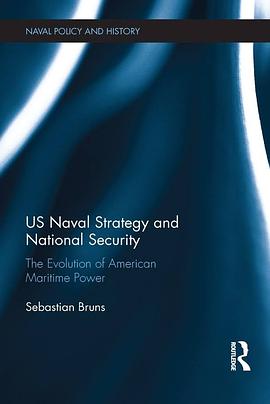
This book examines the evolution of US naval strategy and the role of American seapower over three decades, from the late 20th century to the early 21st century.
The book describes, analyses and explains how the US Navy thought and exercised maritime power between 1981 and 2011. Beginning with the development and implementation of "The Maritime Strategy" in the 1980s (a ‘Naval Renaissance’, as one author characterized it), covering the 1990s as an era of a dramatically changing world order, and closing with the first decade of the 21st century, this work analyses the contribution of the U.S. Navy to American security through the lens of its statements of strategic intent. The book utilizes the many capstone documents, or strategies, as the guiding thread which runs through the work.
The bok's discussion of these strategies is intimately linked to overarching macro-level events (such as global trends, challengers to U.S. security, and major conflicts, crises, and wars). It also ties the U.S. Navy’s strategy to influential national security strategy decision-makers (such as presidents, secretaries, and Congressional leaders), domestic conditions (such as the state of the economy, public opinion, etc.), and overarching US national security strategies. After establishing the context for each decade, chapters discuss how the various strategies were developed and promulgated, informed force structure, and were implemented operationally. This method allows for a coherent process-tracing of the development of American sea power over strategic watersheds such as the fall of the Berlin Wall (1989) and the terrorist attacks of 9/11 (2001).
To provide an overarching understanding of grand-strategic context, the study, opens with basic chapters on the conditions under which naval strategy in general and U.S. Navy capstone documents in particular emerge. It is written and designed with the objective of serving as a guide for scholars who wish to familiarize themselves with sea power and seapower – keeping in mind the need to carefully differentiate between these terms – and the strategic difference which the U.S. Navy hoped to make. Seapower is understood as having an institutional as well as a functional quality. The book lays out how the US Navy fashioned itself as a tool of statecraft and national security to the political decision-makers at the time, its own cohort, allies, and even antagonists.
This book will be of much interest to students of naval power, maritime strategy, US national security and International Relations in general.
作者简介
Sebastian Bruns is a maritime security and naval strategy specialist, based at the Institute for Political Science at the University of Kiel, Germany. He is co-editor of the Routledge Handbook of Naval Strategy and Security (2016).
目录信息
读后感
用户评价
让我印象深刻的是,这本书在探讨未来战略走向时,并没有落入技术至上的窠臼。很多新出版的军事书籍都会过度渲染人工智能、无人系统等“黑科技”的前景,仿佛只要拥有更先进的算法就能解决所有问题。然而,本书的作者却反其道而行之,他将重点放在了“人才培养”和“战略文化重塑”上。他认为,无论技术如何进步,最终执行战略、理解意图的仍然是人,因此,一个国家的战略文化是否适应快速变化的环境,才是决定其长期安全态势的关键变量。这种回归到“人”的层面的反思,使得这本书具有了超越纯粹军事分析的深度。它实际上是在探讨一个国家如何通过教育体系、决策结构和精英培养来确保其战略思想的延续性和适应性,这对我理解国家治理的复杂性提供了全新的参照系。
这本书的语言风格是极其沉稳且富有韵律感的,读起来有一种久经沙场的将军在为你复盘棋局的感觉,沉稳中蕴含着巨大的力量感。作者很少使用浮夸的形容词,而是通过精确的术语和严密的逻辑链条来构建他的论证。例如,在描述如何平衡国内政治压力与长期的战略部署时,他引用了数个看似毫不相关的历史文献作为佐证,这种跨学科的融会贯通,使得他的观点显得异常坚实,难以被轻易驳倒。我感觉作者对细节的掌控力达到了近乎偏执的程度,每一个数据点、每一次引述的来源都清晰可见,这为他的主张提供了无可辩驳的支撑。对于那些习惯于快餐式阅读的读者来说,这本书可能需要投入更多精力去消化,因为它拒绝提供简化的答案。它强迫读者去思考“为什么是这样”,而不是满足于“它是这样”的表象。
读完中间部分时,我发现作者在案例分析上的处理方式非常扎实,但又带有明显的批判性色彩,这正是很多官方智库报告所缺乏的。他没有回避历史上的失误,而是将这些失败的战略决策置于当时的政治经济背景下进行细致的解构。举例来说,他对冷战后某次重大军事行动的复盘,就着重强调了信息链条的断裂如何导致战略目标与战术执行之间的巨大鸿沟。这种对“系统性缺陷”的关注,而不是简单归咎于某位指挥官的失误,极大地提升了文本的学术价值。更重要的是,作者在讨论新兴威胁时,表现出一种超越传统“蓝水海军”思维的弹性。他将网络空间和经济胁迫也纳入了广义的“海上安全”范畴进行讨论,这使得整本书的视野一下子拓宽了,不再局限于传统的战舰和潜艇的角力。阅读过程中,我不得不时常停下来,思考作者提出的那些关于“非对称性回应”的论断,它们精准地击中了当代地缘政治的痛点,让人感到这本书的预见性远超出版时间。
总的来说,这本书的价值在于它成功地搭建了一座连接历史经验、当前现实和未来预期的桥梁。它不是一本简单的“如何打赢下一场海战”的操作手册,而更像是一部关于“如何思考海权”的智力地图。阅读过程中,我时不时地会感受到一种紧迫感,那是作者通过对历史教训的梳理,向当权者发出的严肃警告。特别是关于资源分配和战略焦点的转移部分,作者提出的观点极其犀利,直指当下许多决策层中存在的“路径依赖”问题。它成功地将一个原本看起来有些晦涩的专业领域,转化成了一场关于国家命运的哲学思辨。读完之后,我发现自己看待国际新闻和海洋动态的视角都变得更加审慎和多维了,这是一本真正能改变你思考框架的著作。
这本书刚到手的时候,我其实是抱着一种比较审慎的态度去翻阅的。毕竟,关于“海军战略”和“国家安全”这种宏大叙事,市面上同类的著作汗牛充栋,很容易陷入那种陈词滥调的窠臼,无非是重复强调航母战斗群的不可替代性,或者对某个特定海域的潜在冲突进行夸张的推演。然而,这本书在开篇的引言部分就展现出一种令人耳目一新的视角。它没有急于跳入装备和部署的细节,而是花费了大量篇幅去探讨“战略”本身的哲学根基——即,一个海洋大国如何在其历史演进中,不断地修正其对“威慑”与“投射”的理解。我尤其欣赏作者对于“远洋存在”与“近岸防御”之间权力分配的精妙剖析。它不是简单地将两者对立起来,而是将其视为一个动态的、相互塑造的关系。这种深度思考使得我对后续章节的阅读充满了期待,感觉这不是一本教科书式的教条陈述,而更像是一场关于权力、地理与历史的深度对话。作者似乎在暗示,真正的战略优势,并非仅仅来源于技术上的领先,而更多地源自对自身局限性和时代脉络的清醒认识。