
具体描述
作者简介
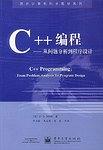
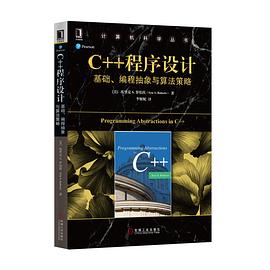
After receiving his Ph.D. in Applied Mathematics from Harvard University in 1980, Eric Roberts taught at Wellesley College from 1980-85, where he chaired the Computer Science Department. From 1985-90, he was a member of the research staff at Digital Equipment Corporation’s Systems Research Center in Palo Alto, California, where he conducted computer science research, focusing on programming tools for multiprocessor architectures. In September 1990, Roberts joined the Stanford faculty, where he is now Professor of Computer Science and the John A. and Cynthia Fry Gunn University Fellow in Undergraduate Education.
From 1990 to 2002, Professor Roberts was Associate Chair and Director of Undergraduate Studies for Computer Science. In that capacity, he was the principal architect of Stanford’s introductory programming sequence, which for many years held the distinction of being the largest course at Stanford. He has also written four computer science textbooks that are used at many colleges and universities throughout the world. His research focuses on computer science education, particularly for underserved communities. From 1998 to 2005, Roberts was Principal Investigator for the Bermuda Project, which developed the computer science curriculum for Bermuda’s public secondary schools.
While at Stanford, Professor Roberts has received several university- level teaching awards, including the Bing Fellowship, established “to recognize excellence in teaching and a committed interest to the teaching of undergraduates”; the Dinkelspiel Award, which recognizes “distinctive and exceptional contributions to undergraduate education”; and the Laurance and Naomi Carpenter Hoagland Prize, awarded for excellence in undergraduate teaching. In January 2002, Roberts was named one of the first eight University Fellows in Undergraduate Education, which are designed “to reward faculty who make truly outstanding contributions to Stanford’s undergraduate experience.”
Professor Roberts has been active in professional organizations dedicated to computer science education. From 2005 to 2007, he served as co-chair of the Education Board of the Association of Computing Machinery (ACM) and was for many years on the board of the ACM Special Interest Group on Computer Science Education (SIGCSE). From 1998 to 2001, Roberts served as co-chair and principal editor for the ACM/IEEE- CS Joint Task Force on Computing Curricula 2001, which published a detailed set of curriculum guidelines in December 2001. He also chaired the ACM Java Task Force from 2004 to 2006. In 2003, Roberts received the SIGCSE Award for Outstanding Contribution to Computer Science Education. Professor Roberts is a Fellow of the ACM and the American Association for the Advancement of Science (AAAS).
Professor Roberts has also been active in several organizations seeking to promote socially responsible use of science and technology. He is past president of both Computer Professionals for Social Responsibility, a public-interest organization of computer scientists and other professionals concerned about the impact of computer technology on society, and Student Pugwash USA, which encourages students to use their training in science and technology to create a better world. In 1999-2000, Roberts was the Eugene M. Lang Visiting Professor for Social Change at Swarthmore College.
目录信息
读后感
用户评价
这本书的排版和细节处理,达到了教科书级别的严谨与美观。代码示例的字体选择和行间距都非常考究,高亮显示也恰到好处,没有出现那种让人眼花缭乱的过度着色。更值得称赞的是对异常处理和现代C++特性的覆盖深度。我注意到,书中没有停留在C++11或C++14的旧标准上裹足不前,而是积极引入了C++17甚至C++20的一些核心特性,比如`std::optional`、`std::variant`以及模块化编程的思想。但它并非盲目堆砌新特性,而是清晰地论述了新特性如何解决了旧有范式中的痛点,这体现了作者紧跟时代步伐的专业素养。当我对照其他一些较老的参考资料时,这本书在处理并发编程和内存模型时的阐述明显更为清晰和与时俱进,对于希望编写高性能、安全代码的开发者来说,这部分内容简直是宝藏。
深入到具体章节后,我立刻感受到了作者在内容组织上的匠心独运。很多技术书籍往往是线性推进,一旦某个地方没跟上,后面就彻底迷失了。但这本教材的处理方式很灵活,它似乎预设了读者可能会遇到的认知障碍,并提前设置了“知识锚点”。例如,在介绍完指针和引用之后,立刻安排了一个综合性的案例练习,强制读者将这两个看似孤立的概念融会贯通。我在学习模板元编程那部分时,原本准备迎接一场艰苦的战斗,但作者却采用了“渐进式复杂”的策略,先从简单的函数模板讲起,再逐步引入类模板的特化与偏特化,最后才触及复杂的SFINAE(Substitution Failure Is Not An Error)原理。每当我觉得快要被复杂的代码和术语淹没时,总能在紧随其后的“最佳实践”小节中找到一盏指路明灯,让我明白这些技术在实际工程中是如何被优雅地使用的。这种结构设计,让学习过程充满了“啊哈!”的顿悟时刻,而不是枯燥的死记硬背。
最后的总结,这本书给我的感觉是:它是一本真正意义上的“桥梁书”。它成功地架设在了C++基础语法和大型工业级项目实践之间那道宽阔的鸿沟之上。它没有为了追求深奥而故作高深,也没有为了追求易懂而牺牲严谨性。它对复杂概念的把握如同雕刻家对待璞玉,既保留了材质的坚实,又雕琢出了流畅的线条。对于有一定编程基础,希望系统性地、深入地掌握C++这门“重量级”语言的读者来说,这本书提供了最可靠的地图和指南针。它的价值不在于让你速成,而在于让你在掌握了这些坚实的基础后,有信心去面对任何使用C++构建的复杂系统,并且能够写出既高效又健壮的代码。读完之后,我感觉对C++的敬畏感没有增加,反而多了一份清晰的掌控感,这才是真正优秀的教材所能给予读者的最大回报。
这本书的封面设计得非常吸引人,色彩搭配既专业又不失活力,光是看着就让人忍不住想翻开它学习。我一开始对C++这门语言有些望而生畏,总觉得它深奥复杂,但这本书的引入部分却出乎意料地亲切友好。它没有直接把我扔进晦涩的语法细节里,而是花了相当大的篇幅来介绍C++的历史背景、设计哲学以及它在现代软件开发中的核心地位,这让我建立起了一个宏观的认知框架。作者在讲解抽象概念时,善于使用贴近日常生活的比喻,比如将内存管理比作仓库的货物摆放,将面向对象的三大特性比作不同类型的工厂流水线,这种讲解方式极大地降低了初学者的门槛。更让我欣赏的是,书中对“为什么”而不是仅仅“怎么做”的探讨,它解释了C++为何要引入某些特性,这些选择背后的权衡与取舍,这对于培养真正的编程思维至关重要。我感觉这本书不是在教我一套死板的公式,而是在引导我理解一门语言背后的匠心。
从一个实战开发者的角度来看,这本书最可贵之处在于它对“边界条件”和“陷阱”的无情揭示。很多教材只教你如何写出能运行的代码,却很少告诉你代码在特定环境下可能崩溃的原因。这本书却反其道而行之,专门开辟了“陷阱与调试”专栏,详尽地列举了诸如**拷贝构造函数重载不当**、**裸指针生命周期管理失误**、**虚函数表指针的魔幻世界**等C++程序员最常遇到的噩梦场景。它不仅指出了错误,还用可重现的最小代码片段展示了错误发生的机制,并且给出了使用现代工具(如智能指针、RAII原则)来规避这些风险的明确路径。这种“防患于未然”的教学态度,让我觉得手中的不是一本理论书,而是一份顶尖工程师的实战经验总结,它在无形中帮我避开了未来可能浪费我数天时间的调试黑洞。