
具体描述
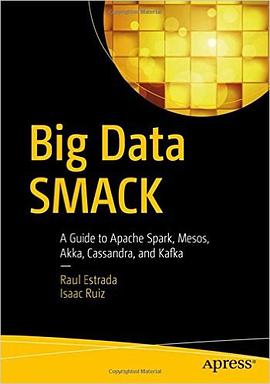
This book is about how to integrate full-stack open source big data architecture and how to choose the correct technology―Scala/Spark, Mesos, Akka, Cassandra, and Kafka―in every layer. Big data architecture is becoming a requirement for many different enterprises. So far, however, the focus has largely been on collecting, aggregating, and crunching large datasets in a timely manner. In many cases now, organizations need more than one paradigm to perform efficient analyses.
Big Data SMACK explains each of the full-stack technologies and, more importantly, how to best integrate them. It provides detailed coverage of the practical benefits of these technologies and incorporates real-world examples in every situation. The book focuses on the problems and scenarios solved by the architecture, as well as the solutions provided by every technology. It covers the six main concepts of big data architecture and how integrate, replace, and reinforce every layer:
The language: ScalaThe engine: Spark (SQL, MLib, Streaming, GraphX)The container: Mesos, DockerThe view: AkkaThe storage: CassandraThe message broker: Kafka
What you’ll learn
How to make big data architecture without using complex Greek letter architectures.How to build a cheap but effective cluster infrastructure.How to make queries, reports, and graphs that business demands.How to manage and exploit unstructured and No-SQL data sources.How use tools to monitor the performance of your architecture.How to integrate all technologies and decide which replace and which reinforce.
Who This Book Is For
This book is for developers, data architects, and data scientists looking for how to integrate the most successful big data open stack architecture and how to choose the correct technology in every layer.
作者简介
From the Back Cover
Integrate full-stack open-source fast data pipeline architecture and choose the correct technology―Spark, Mesos, Akka, Cassandra, and Kafka (SMACK)―in every layer. Fast data is becoming a requirement for many enterprises. So far, however, the focus has largely been on collecting, aggregating, and crunching large data sets in a timely manner. In many cases organizations need more than one paradigm to perform efficient analyses.Big Data SMACK explains each technology and, more importantly, how to integrate them. It provides detailed coverage of the practical benefits of these technologies and incorporates real-world examples. The book focuses on the problems and scenarios solved by the architecture, as well as the solutions provided by each technology. This book covers the five main concepts of data pipeline architecture and how to integrate, replace, and reinforce every layer:The engine: Apache SparkThe container: Apache MesosThe model: Akka<The storage: Apache CassandraThe broker: Apache Kafka
Read more
About the Author
Raúl Estrada is the co-founder of Treu Technologies, an enterprise for Social Data Marketing and BigData research. Estrada is an Enterprise Architect with more than 15 years of experience in cluster management and Enterprise Software. Prior to founding Treu Technologies, Estrada worked as an Enterprise Architect in Application Servers & evangelist for Oracle Inc. Estrada loves functional languages like Elixir and Scala, and also has a Master degree on Computer Science. Isaac Ruiz is a Java programmer since 2001, and a consultant and architect since 2003. Ruiz had participated in projects of different areas and varied scopes (education, communications, retail, and others). Ruiz specializes in systems integration and has participated in projects mainly related to the financial sector. Ruiz is a supporter of free software. Ruiz like to experiment with new technologies (frameworks, languages, methods).
Read more
目录信息
读后感
This book is about how to integrate full-stack open source big data architecture and how to choose the correct technology―Scala/Spark, Mesos, Akka, Cassandra, and Kafka―in every layer. Big data architecture is becoming a requirement for many different ent...
This book is about how to integrate full-stack open source big data architecture and how to choose the correct technology―Scala/Spark, Mesos, Akka, Cassandra, and Kafka―in every layer. Big data architecture is becoming a requirement for many different ent...
This book is about how to integrate full-stack open source big data architecture and how to choose the correct technology―Scala/Spark, Mesos, Akka, Cassandra, and Kafka―in every layer. Big data architecture is becoming a requirement for many different ent...
This book is about how to integrate full-stack open source big data architecture and how to choose the correct technology―Scala/Spark, Mesos, Akka, Cassandra, and Kafka―in every layer. Big data architecture is becoming a requirement for many different ent...
This book is about how to integrate full-stack open source big data architecture and how to choose the correct technology―Scala/Spark, Mesos, Akka, Cassandra, and Kafka―in every layer. Big data architecture is becoming a requirement for many different ent...
用户评价
作为一名技术阅读者,我对于那些试图用最新技术栈来解决老问题的书籍总是抱有极大的期待,同时也有着审慎的保留。我的期望是,这本书不仅仅是简单地罗列了每个组件的特性列表,而是深入探讨了“为什么是这五个技术组合在一起?”这种哲学层面的问题。Akka提供了Actor的并发模型,这与Spark内部的并行机制有何关联和冲突?Cassandra的最终一致性模型如何与Kafka的有序性保证相辅相成?这些技术栈的组合,是否代表了对传统Hadoop/MapReduce范式的彻底超越,还是说它们只是在特定场景下更优的替代品?如果书中能提供清晰的决策树或对比分析,帮助读者在面对新的架构挑战时,能够理性地评估SMACK与其他技术栈(比如基于Kubernetes的服务网格或更偏向Lambda架构的组合)的优劣,那就太棒了。我需要的是智慧,而不是仅仅是代码片段的堆砌。
这部著作无疑是大数据领域的一份重量级参考手册,尽管我手头没有它具体的目录或内容细节,但从它那响亮的名字——《Big Data SMACK: A Guide to Apache Spark, Mesos, Akka, Cassandra, and Kafka》——我完全可以推断出它对技术栈的覆盖深度和广度。想象一下,一个渴求全面掌握现代分布式系统构建基石的工程师,手握此书,那简直就像探险家手持一张详尽的藏宝图。它所提及的每一个技术,Spark的内存计算威力,Mesos的资源调度哲学,Akka的响应式编程范式,Cassandra的去中心化数据库模型,以及Kafka的实时消息流处理能力,都是当前行业内一线架构的支柱。我期待这本书能够以一种高度整合的方式来呈现这些看似独立的组件是如何协同工作的,而不仅仅是逐一介绍API。优秀的指南不仅要告诉你“如何做”,更要深入剖析“为什么是这样”,尤其是在这些前沿技术的抉择点上,比如何时选用Spark Streaming而非Kafka Streams,或是如何平衡Akka的Actor模型与Cassandra的最终一致性。如果这本书能提供丰富的实战案例,展示如何将这些技术栈无缝地串联起来,构建出真正具备弹性、可扩展性和高吞吐量的企业级解决方案,那么它将不仅仅是一本“指南”,而是成为了我工作台上必备的“圣经”。
我非常看重作者在代码示例和可重现性方面所下的功夫。对于一本如此技术密集型的书籍,仅仅是理论阐述是远远不够的。如果这本书的每一章都配有精心设计的、能够即刻部署和运行的示例项目,那就意味着我可以用最快的速度将这些概念转化为实际工作中的生产力。我尤其关注那些关于配置和部署的细节——毕竟,让一个复杂的分布式系统跑起来,往往比编写核心业务逻辑要困难得多。例如,如何高效地配置Cassandra的环(Ring)拓扑,如何用Mesos Marathon文件来定义一个健壮的Spark作业启动脚本,或者如何处理跨越多个组件的分布式事务的“最佳实践”。如果这些实操层面的知识点被详尽记录,并且能够随着技术的迭代(比如Spark或Kafka的新版本发布)得到及时的更新和维护,那么这本书的价值将是指数级增长的。我希望它能成为一本“活的”工具书,而非仅仅是特定时间点的快照。
这本书的结构设计,如果设计得当,将会是它成功的关键。考虑到这五大技术的特性差异性——从计算引擎(Spark)到资源管理(Mesos),再到并发框架(Akka),数据库(Cassandra)和消息队列(Kafka)——作者如何编织一个统一的叙事线索,让读者能够清晰地看到它们之间的交互逻辑,是至关重要的。我设想的理想展开方式是,以一个典型的实时数据处理流水线为蓝图,逐步引入并集成这些组件。比如,首先由Kafka摄取数据,随后Akka Actors负责初步的业务逻辑转换,数据进入Cassandra持久化,而Spark则负责批处理和复杂的分析任务,这一切都运行在Mesos提供的统一资源池之上。如果这本书能以这种“端到端”的架构视角来组织内容,那么它就超越了简单的技术手册范畴,升华为一份实用的系统设计蓝图。任何想构建下一代数据平台的人,都需要这样一份能将分散的工具整合进一个连贯、可维护的整体的指导方针。
说实话,光是看到那几个缩写组合在一起,我的心跳就不由自主地加速了。这绝不是那种陈词滥调、泛泛而谈的入门读物,它针对的显然是已经对大数据有所涉猎,但正努力将知识体系从零散的技术点整合为系统化架构能力的中高级开发者。我希望这本书能深入探讨这些框架在实际生产环境中所遇到的“陷阱”与“优化点”。例如,Spark作业在海量数据下GC调优的具体策略,Mesos的复杂调度约束如何被优雅地处理,Akka Actor体系中的死信处理与监控机制,Cassandra的数据模型设计如何避免热点读写,以及Kafka的日志段(Log Segment)管理和副本同步在高延迟网络下的表现。如果作者能拿出一些真正来自一线生产环境的“血泪教训”,那种关于配置参数的细微调整、性能瓶颈的定位与突破的深刻见解,那就太有价值了。这种深度才配得上这个“SMACK”聚合体的分量,否则,网上随便一搜就能找到基础教程,何必耗费心力去阅读一本厚重的专著?我对那些隐藏在官方文档背后、需要多年经验才能领悟的“潜规则”充满了好奇。
如果想了解些入门概念可以看看,否则严重不推荐,纯粹就是挂了smack的噱头写的一份上手指南。
如果想了解些入门概念可以看看,否则严重不推荐,纯粹就是挂了smack的噱头写的一份上手指南。
如果想了解些入门概念可以看看,否则严重不推荐,纯粹就是挂了smack的噱头写的一份上手指南。
主要是对Spark Mesos Akka Cassandra Kafka做一个简短的简绍,以及这些组件如何组合使用。 可以对大数据的架构有个简单的认识。
如果想了解些入门概念可以看看,否则严重不推荐,纯粹就是挂了smack的噱头写的一份上手指南。