
具体描述
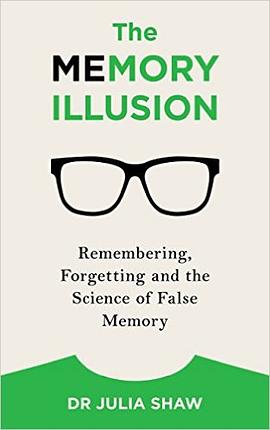
Think you have a good memory? Think again.
Memories are our most cherished possessions. We rely on them every day of our lives. They make us who we are. And yet the truth is they are far from being the accurate record of the past we like to think they are. True, we can all admit to having suffered occasional memory lapses, such as entering a room and immediately forgetting why, or suddenly being unable to recall the name of someone we've met dozens of times. But what if our minds have the potential for more profound errors, that enable the manipulation or even outright fabrication of our memories?
In The Memory Illusion, forensic psychologist and memory expert Dr Julia Shaw uses the latest research to show the astonishing variety of ways in which our brains can indeed be led astray. She shows why we can sometimes misappropriate other people's memories, subsequently believing them to be our own. She explains how police officers can imprison an innocent man for life on the basis of many denials and just one confession. She demonstrates the way radically false memories can be deliberately implanted, leading people to believe they had tea with Prince Charles, or committed crimes that never happened. And she reveals how, in spite of all this, we can improve our memory through simple awareness of its fallibility.
Fascinating and unnerving in equal measure, The Memory Illusion offers a unique insight into the human brain, challenging you to question how much you can ever truly know about yourself.
作者简介
Dr Julia Shaw is a senior lecturer and researcher in the Department of Law and Social Sciences at London South Bank University, and is one of only a handful of experts in the world who conduct research on complex memory errors related to emotional personal events – so-called ‘rich false memories’. Dr Shaw has published research articles in various international academic journals, has written textbook chapters, is a regular contributor to the popular science magazine Scientific American, and gives guest lectures and conference presentations around the world. She also teaches classes at undergraduate and graduate level, for which she has won two teaching excellence awards. Besides her teaching and research, she has delivered general business and police-training workshops, has evaluated offender diversion programs, and works with the UK police to advise on historical sexual and physical abuse cases. She has also been featured as an expert on TV, radio, and in UK and international newspapers.
目录信息
读后感
我们的记忆可以被篡改? 记忆专家略施小计就可以在毫无觉察的情况下为我们植入虚假记忆? 在读到这些段落的时候,我充满了深深的怀疑! 记忆是多么私密和个人的事情,为我植入我没有经历过的事情,而且我会对此确信不疑,不要开玩笑了,这怎么可能?! 我读书少,专家们不要欺...
我们看到的有时候可能不是真的,我们听到的也不可全信,那么作为我们的记忆,曾经亲眼看到、听到过的真切记忆,你觉得靠谱吗?也不尽然,你的记忆也可能会骗你。 你是否足够了解自己的记忆?记忆为什么会骗你?记忆为什么会被改写?……如果你同样也对记忆有很多的疑...
我们的记忆可以被篡改? 记忆专家略施小计就可以在毫无觉察的情况下为我们植入虚假记忆? 在读到这些段落的时候,我充满了深深的怀疑! 记忆是多么私密和个人的事情,为我植入我没有经历过的事情,而且我会对此确信不疑,不要开玩笑了,这怎么可能?! 我读书少,专家们不要欺...
如果说人体是一台电脑的硬件,那么记忆则是电脑硬盘中数据,而键盘录入、手写输入、语音输入、网络下载等途径则相当于提高记忆能力的手段。如果没有记忆力,我们就像一台没有硬盘存储功能的电脑,随着电源的关闭,一切信息都将无法保存,所有的努力也将化为乌有,劳动成果、生...
我是谁?我从哪来?我要做什么? 所有的问题,记忆给你所有的答案。 伦敦南岸大学法律与社会科学系的高级讲师、高级研究员,茱莉亚.肖博士,号称灵魂黑客,多么酷炫,在《记忆错觉》一书中系统的的讲解了,记忆如何影响了我们的感知、思维与心理。 我妈一直说我不是亲生的,时...
用户评价
自个儿译的中文版,第一个标记?:-P 没有了记忆,你将不再是你……
自个儿译的中文版,第一个标记?:-P 没有了记忆,你将不再是你……
自个儿译的中文版,第一个标记?:-P 没有了记忆,你将不再是你……
自个儿译的中文版,第一个标记?:-P 没有了记忆,你将不再是你……
自个儿译的中文版,第一个标记?:-P 没有了记忆,你将不再是你……