
具体描述
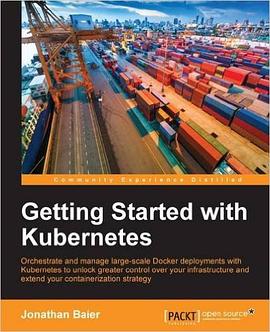
Orchestrate and manage large-scale Docker deployments with Kubernetes to unlock greater control over your infrastructure and extend your containerization strategy
About This Book
Learn the fundamentals of Kubernetes – how it works, and how it fits into the growing containerization trendIntegrate Kubernetes into your workflow alongside continuous delivery tools to address today's operational challengesGet to grips with a wide range of tools to help you monitor and secure your deployments
Who This Book Is For
If you have some experience with Docker and want to get more from containerization, this book is the perfect place to start. Focused on helping you take control of your deployments in a simple way, you'll soon find out how to transform your operations for greater organizational and technical agility.
What You Will Learn
Download, install, and configure the latest version of KubernetesPerform smooth updates and patches with minimal downtimeStreamline the way you deploy and manage your applications with large-scale container orchestrationFind out how Kubernetes can simplify the way you configure your clusters and networksLearn why the Open Container initiative is so important for the way you manage your infrastructureDiscover third-party tools that can enhance your production operationsExplore and use the most persistent storage options for your clusterterIntegrate Kubernetes with continuous delivery tools such as Gulp and Jenkins
In Detail
Kubernetes is the tool that's pushing the containerization revolution – largely driven by Docker – to another level. If Docker has paved the way for greater agility and control in the way we organize and manage our infrastructure, Kubernetes goes further, by helping you to orchestrate and automate container deployments on a massive scale. Kubernetes really does think big – and it's time you did too!
This book will show you how to start doing exactly that, showing you how to extend the opportunities that containerization innovations have brought about in new and even more effective ways. Get started with the basics - explore the fundamental elements of Kubernetes and find out how to install it on your system, before digging a little deeper into Kubernetes core constructs. Find out how to use Kubernetes pods, services, replication controllers, and labels to manage your clusters effectively and learn how to handle networking with Kubernetes.
Once you've got to grips with these core components, you'll begin to see how Kubernetes fits into your workflow. From basic updates to integrating Kubernetes with continuous delivery tools such as Jenkins and Gulp, the book demonstrates exactly how Kubernetes will transform the way you work. With further insights on how to install monitoring and security tools, this book provides you with a direct route through Kubernetes – so you can take advantage of it, fast!
Style and approach
This straightforward guide will help you understand how to move your container applications into production through best practices and step by step walkthroughs tied to real-world operational strategies.
作者简介
目录信息
读后感
用户评价
我以一个纯粹的、对前沿技术充满好奇的爱好者的身份来评价这本书,它的内容组织简直像一部精心编排的交响乐。开篇的宏大叙事,中段对核心概念的精妙拆解,以及收尾处对生态系统的展望,层次分明,引人入胜。我最喜欢的是它在介绍完基础概念后,立刻跳转到一些高级话题的试探性介绍,比如Service Mesh(服务网格)的雏形以及Serverless在Kubernetes上的实现趋势。虽然这些部分没有深入到能立刻投入生产的程度,但它们有效地激发了读者对未来技术的探索欲。书中对于如何构建一个生产级别的CI/CD管道与Kubernetes结合的流程描述,虽然篇幅不长,但提供了一个非常实用的路线图。它让我们看到,Kubernetes如何成为连接开发和运维的桥梁。这本书的文字流畅,信息密度高却不令人窒息,它成功地将复杂的技术复杂性“驯服”了,让初学者在敬畏之余,充满了尝试的信心。它不仅仅是教我Kubernetes,更是在教我如何思考云时代的软件交付模式。
这本关于Kubernetes的入门指南,对于完全没有接触过容器编排技术的初学者来说,简直是打开了一扇新世界的大门。作者的叙述方式非常平易近人,没有一开始就陷入那些令人头晕的专业术语泥潭。相反,他从一个非常宏观的角度,解释了为什么我们需要像Kubernetes这样的工具,它的出现解决了哪些实际的痛点,比如应用的部署、扩展和维护的复杂性。我印象特别深刻的是书中对“声明式配置”的阐述,那种将期望状态告诉系统,然后由系统自动去达成目标的设计哲学,对比传统的手动操作简直是天壤之别。书中的图解部分做得极其出色,那些流程图和架构示意图,把原本抽象的概念具象化了,即便是像我这样视觉学习者也能很快抓住重点。比如,它清晰地区分了Pod、Service和Deployment之间的关系,这种基础概念的扎实建立,为后续深入学习打下了坚实的地基。读完前几章,我已经不再对这个行业内的“黑话”感到畏惧,而是充满了实践的渴望。那种“原来是这样啊”的豁然开朗感,是这本书带给我最大的价值之一,它成功地将一个看似高深的技术,转化成了人人可及的实用工具。
我是一个来自传统IT背景的系统架构师,习惯了虚拟机和传统配置管理工具的范式。接触Kubernetes最初让我感到一种巨大的思维惯性阻力。这本书最成功的地方在于,它没有强迫我立即抛弃旧知识,而是提供了一个平滑的过渡路径。书中用对比的方式,解释了为什么在微服务架构下,像Secrets和ConfigMaps这样的抽象比直接修改配置文件要安全和高效得多。它巧妙地将容器的“不可变性”理念融入到配置管理的讨论中,逐步引导我理解容器化工作负载的本质。书中对资源配额(Resource Quotas)和命名空间(Namespaces)的讲解,尤其让我眼前一亮,这对于管理跨部门共享集群的资源隔离和安全至关重要。它教会我如何像管理“租户”一样管理应用,而不是像管理“机器”一样管理应用。这种思维模式的转变,是任何工具书都难以替代的,它提供的是一种架构设计上的新视角。
我以一个已经在云计算领域摸爬滚打了好几年的资深开发者的视角来看待这本书,坦白说,一开始我担心它会过于基础,浪费我的时间。然而,事实证明我的担忧是多余的。这本书的深度和广度拿捏得恰到好处,它并没有满足于仅仅停留在“如何运行一个Pod”的层面,而是深入探讨了Kubernetes核心组件的工作原理。书中对`kubelet`、`apiserver`以及`etcd`之间复杂的交互过程进行了详尽的剖析,这一点对于想要进行故障排查或者定制化运维的工程师来说至关重要。它不仅仅是教你使用工具,更是在教你理解工具的“灵魂”。特别是关于网络模型(CNI)和存储接口(CSI)的章节,用非常严谨的篇幅解释了这些抽象层是如何保证集群稳定和数据持久性的,这部分内容远超我预期中“入门书籍”的范畴。作者在描述这些复杂机制时,总是能巧妙地引用一些实际场景中的例子,使得理论不再是空中楼阁,而是与真实世界的生产环境紧密相连。对于想从“会用”跃升到“精通”阶段的同行,这本书绝对是不可多得的参考手册。
从运维的角度来看,这本书简直是为我量身定做的“减压宝典”。过去我们部署应用,光是配置负载均衡和健康检查,就得折腾好几天,而且一旦出现问题,排查起来如同大海捞针。这本书系统性地介绍了如何利用Kubernetes的自愈能力来管理有状态和无状态应用。特别是关于滚动更新和回滚策略的讲解,作者给出了清晰的YAML配置示例和相应的最佳实践建议。我特别欣赏书中对“可观测性”的强调,它详细阐述了如何集成Prometheus和Grafana来监控集群的性能指标,以及如何利用日志聚合工具来集中管理分散在各个容器中的日志流。这些内容不是生硬地罗列命令,而是融入了一种全新的、面向云原生的运维思维。读完相关章节,我立刻着手在自己的测试环境中实践了蓝绿部署策略,效果立竿见影,大大降低了发布带来的风险。这本书让我明白了,Kubernetes不只是部署工具,它更是构建高可用、高弹性的现代基础设施的基石。
整本书都在描述怎么操作GCP的UI
整本书都在描述怎么操作GCP的UI
整本书都在描述怎么操作GCP的UI
还不如读文档
整本书都在描述怎么操作GCP的UI