具体描述
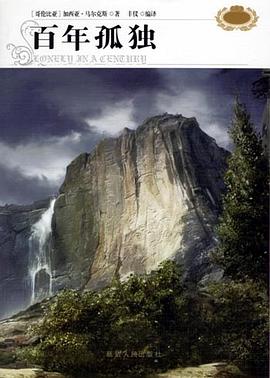
The second volume of Asturias' Banana Republic trilogy carries on in the vein of gothicized propaganda initiated in Strong Wind (1969). Part One deals with the early days of the Tropical Banana Company (mightily resembling United Fruit) and its first scourging inroads into the land and economy. Part Two begins where Strong Wind left off at the death of Lester Mead whose will now ironically corrupts and divides his native legatees. The rather loose continuity of the two sections is established through the career of George Maker Thompson, a pirate and empire builder who calls himself the Green Pope; his personal life affords a darkly suggestive view of the emotional nexus of the two cultures. At the peak of his career Thompson retires, shaken by a grotesque error beyond redress or confession. He rises again only when warfare between commercial fiefdoms -- projected in a national boundary dispute -- threatens to undo his life's work. The narrative's mystifications and distractions (stinks, legends, irrelevant chat, primitive bloodied images) make an oddly unstable context for the impassioned politics and poster-paint characterizations. Asturias pushes to a near decadent extreme the intense stylizations of folk art -- perhaps what the 1967 Nobel Prize committee had in mind when they noted his ""volcanic vehemence."" In this case the effluvia is not lava but moonlight and spittle.
作者简介
Miguel Angel Asturias Rosales (October 19, 1899 – June 9, 1974) was a Nobel Prize-winning Guatemalan poet-diplomat, novelist, playwright and journalist. Asturias helped establish Latin American literature's contribution to mainstream Western culture, and at the same time drew attention to the importance of indigenous cultures, especially those of his native Guatemala.
Asturias was born and raised in Guatemala though he lived a significant part of his adult life abroad. He first lived in Paris in the 1920s where he studied ethnology. Some scholars view him as the first Latin American novelist to show how the study of anthropology and linguistics could affect the writing of literature. While in Paris, Asturias also associated with the Surrealist movement, and he is credited with introducing many features of modernist style into Latin American letters. In this way, he is an important precursor of the Latin American Boom of the 1960s and 1970s.
One of Asturias' most famous novels, El Señor Presidente, describes life under a ruthless dictator. Asturias' very public opposition to dictatorial rule led to him spending much of his later life in exile, both in South America and in Europe. The book that is sometimes described as his masterpiece, Hombres de maíz (Men of Maize), is a defense of Mayan culture and customs. Asturias combined his extensive knowledge of Mayan beliefs with his political convictions, channeling them into a life of commitment and solidarity. His work is often identified with the social and moral aspirations of the Guatemalan people.
After decades of exile and marginalization, Asturias finally received broad recognition in the 1960s. In 1966, he won the Soviet Union's Lenin Peace Prize. The following year he was awarded the Nobel Prize for Literature, only the second Latin American to receive this honor. Asturias spent his final years in Madrid, where he died at the age of 74. He is buried in the Père Lachaise Cemetery in Paris. (Wikipedia)
目录信息
读后感
用户评价
这本书给我的阅读体验是极其流畅且令人心神愉悦的,仿佛被一位技艺高超的导游带着穿梭于一个精心构建的奇幻国度。不同于那种故作高深的文学作品,它以一种极其亲切、近乎于对话的方式与读者沟通,使得那些宏大的设定和复杂的哲学思辨也变得易于消化。我最喜欢的是作者构建的那个世界观的逻辑自洽性,虽然它脱离了我们所处的现实,但其中的法则、权力的运行轨迹以及不同派系之间的微妙制衡,都遵循着一套内在的、严谨的规则。每一次世界观的揭示都不是生硬的知识灌输,而是巧妙地融入到角色推动剧情的过程中,让你在不知不觉中补全了整个拼图。特别是关于那个“秩序之塔”的描写,那种垂直向上的空间感和不同楼层之间的社会阶层差异,光是想象就令人叹为观止。文字的色彩运用非常鲜明,该热烈时如夏日骄阳,该冷峻时如冬夜寒星,节奏感把握得恰到好处,让你在阅读时几乎能听到背景音效的切换。总而言之,这是一次酣畅淋漓的想象力之旅,作者展现出了非凡的构建能力,让人迫不及待地想知道下一个转角会遇到怎样的风景。
这部作品读完之后,脑海中久久萦绕不去的是那种沉甸甸的、带着历史尘埃味道的真实感。作者的叙事功力简直是炉火纯青,他不仅仅是在讲述一个故事,更像是在引导我们走进一个已经被时间凝固的、鲜活的场景之中。书中对于那个特定时代社会氛围的描摹,细致入微,从街头巷尾的俚语到贵族沙龙里的低语,每一个细节都经过了精心的打磨和考量。我尤其欣赏作者在处理人物复杂性上的手法,没有脸谱化的好人与坏人,每个人物都游走在道德的灰色地带,他们的选择,无论多么令人扼腕,都能在情理之中找到根源。举例来说,书中关于主人公童年经历的那几章,那种无助和挣扎,读起来让人心口发闷,仿佛能闻到旧时代潮湿霉烂的气息。而且,作者在情节推进上把握得极佳,总能在看似平静的叙述中埋下伏笔,让你在不经意间被情节的转折所震撼。它不是那种快节奏、追求感官刺激的作品,而更像是一坛需要时间去品味的陈酿,初尝或许平淡,但后劲十足,值得反复咀嚼。这种对人性深处的挖掘和对历史语境的精准把握,使得整本书的厚重感和史诗感油然而生。
这部作品的魅力在于它惊人的想象力和对细节的执着。它构建了一个反乌托邦的未来,但这个未来并非建立在飞船和激光之上,而是植根于对人类情感和社会组织形态的极端扭曲。作者对“情感经济学”的设定,简直是天才之举:爱、恐惧、忠诚,这些曾经被认为是抽象概念的东西,在这里都被量化、被交易,成为了社会运转的燃料。我看得津津有味,尤其是关于“情感掮客”这个角色的发展线,他如何在规则的缝隙中游走,利用他人的脆弱来为自己谋取利益,那种游刃有余的狡黠,读起来让人又气又佩服。而且,书中对未来城市景观的描绘,那种超现实的美感和隐藏在华丽外表下的腐朽,形成了强烈的对比。这不是那种靠情节取胜的书,而是靠其理念的原创性和深度取胜。它迫使你思考:如果我们的感受都可以被交易,我们还剩下什么属于自己的东西?每一次翻页,都像是在挖掘一个关于人类未来可能性的深坑,越往下看,越觉得脊背发凉,因为它太有可能成真了。
坦白讲,初读这本书时,我有些担心它会过于学术化,毕竟封面和书名流露出的那种严肃感让人望而却步。然而,当我真正沉浸其中后,才发现这完全是一种误判。作者的笔触出奇地细腻和富有诗意,即便是在探讨最为枯燥的制度变迁或技术原理时,也能用优美的散文笔法将其包裹起来,使其充满生命力。书中对于“记忆的重量”这一主题的探讨尤为深刻,它没有给出简单的答案,而是通过多条叙事线索,展现了集体无意识和个体创伤是如何相互纠缠、彼此塑造的。我特别关注了其中一段关于“被遗忘的仪式”的描写,那种仪式感和宿命感被作者描绘得如同电影慢镜头一般,每一个动作,每一个眼神的交汇都充满了象征意义。这种对符号学和隐喻的娴熟运用,使得这本书的内涵非常丰富,初读可能只看到故事的表层,但细细品味,每一层剥开都是新的哲思。它更像是一本精美的艺术品,需要静下心来,用心地去欣赏和解读那些隐藏在文字背后的深意。
这本书的叙事风格简直就是一股清流,它摒弃了传统小说中常见的戏剧性冲突和高潮迭起的紧张感,转而采用了一种近乎于流水账式的、但又极度精准的日常记录方式来展开。这种看似平淡无奇的记录,却营造出一种令人不安的“常态化恐怖”。它描绘了在一个高度集权且运转精密的社会机器中,个体是如何被一步步消磨掉棱角、最终融入庞大体系的。我尤其被书中对“等待”的描写所吸引,角色们似乎总是在等待着某个指令、某个许可或者某个遥远的未来,这种无休止的等待本身就构成了一种强大的心理压力。作者的语言极其克制,很少使用夸张的形容词,而是通过对场景、光线和人物细微动作的冷静捕捉,将那种压抑感层层叠加。读完之后,你会有一种强烈的错觉,仿佛自己刚刚从一个冗长而真实的梦境中醒来,空气中还残留着那种机械化的、略带金属味道的气息。它挑战了我们对于“精彩故事”的传统定义,证明了最深刻的震撼往往来自于最平静的叙述。