具体描述
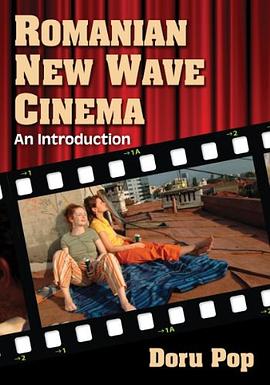
Romanian New Wave Cinema: An Unfolding Cinematic Identity The Romanian New Wave, a cinematic phenomenon that has captivated international audiences and critics alike over the past two decades, is far more than a fleeting trend. It represents a profound, often poignant, and invariably insightful exploration of a nation grappling with its past, present, and uncertain future. This movement, characterized by its unvarnished realism, subtle psychological depth, and keen social observation, has not only revitalized Romanian filmmaking but has also offered a compelling lens through which to understand the lingering echoes of communism, the complex transition to democracy, and the persistent anxieties of contemporary Romanian society. At its heart, the Romanian New Wave is an art of the everyday. Its protagonists are not larger-than-life heroes or villains, but ordinary individuals navigating the mundane struggles of existence. These characters, often rendered with a quiet dignity, find themselves entangled in personal dramas that are deeply rooted in the specific socio-political landscape of post-communist Romania. The films delve into themes of familial relationships strained by economic hardship and ideological disconnect, the disillusionment of a generation that came of age under a repressive regime, and the perennial search for meaning and belonging in a rapidly changing world. One of the defining characteristics of this cinematic wave is its deliberate pacing and understated style. Directors often eschew overt melodrama, opting instead for long takes, naturalistic dialogue, and a keen eye for detail that allows the weight of ordinary life to accumulate organically. This approach fosters a sense of authenticity, drawing viewers into the lived experiences of the characters and inviting them to contemplate the subtle nuances of human behavior. The camera, often static or moving with a gentle fluidity, becomes an observer, allowing the narrative to unfold with a natural rhythm that mirrors the ebb and flow of life itself. The legacy of communism looms large in many of these films, though rarely in a didactic or overtly political manner. Instead, its specters manifest in the lingering distrust between individuals, the psychological scars of surveillance and conformity, and the often-invisible structures of power that continue to shape daily life. Characters may grapple with the economic consequences of privatization, the corruption that seeped into the fabric of society, or the personal compromises made to survive under a totalitarian state. These are not historical documentaries, but rather intimate portraits of how the past continues to inform the present, shaping individual choices and collective identities. The transition to democracy, while heralded as a new dawn, is often depicted as a messy and challenging process. The films frequently explore the disillusionment that followed the initial optimism, the economic disparities that emerged, and the struggle to establish new societal norms and values. The characters might be young professionals trying to forge careers in a nascent capitalist economy, or older generations struggling to reconcile their past experiences with the present realities. The sense of uncertainty and the search for a stable footing are recurring motifs, reflecting the complexities of a nation undergoing profound transformation. Beyond the socio-political context, the Romanian New Wave is also deeply invested in the universal human condition. Themes of love, loss, regret, and the search for connection resonate powerfully across cultures. The films explore the delicate intricacies of familial bonds, the often-unspoken tensions between parents and children, and the profound impact of personal choices on individual lives. There is a palpable sense of empathy for these characters, even when they are flawed or make regrettable decisions. The directors do not judge, but rather observe with a compassionate gaze, inviting the audience to connect with the shared vulnerabilities of being human. The aesthetic sensibilities of the Romanian New Wave are also noteworthy. The cinematography often favors a muted color palette and natural lighting, contributing to the films' grounded and realistic feel. The urban landscapes and rural settings of Romania are depicted with a stark beauty, serving as more than just backdrops but as integral elements that shape the characters' experiences. The sound design, too, plays a crucial role, capturing the ambient noises of everyday life and contributing to the immersive quality of the viewing experience. The critical acclaim and international recognition garnered by films such as Cristian Mungiu's "4 Months, 3 Weeks and 2 Days," Corneliu Porumboiu's "12:08 East of Bucharest," and Cătălin Mitulescu's "The Way I Spent the End of the World" have solidified the Romanian New Wave's place in cinematic history. These films, and many others, have demonstrated a remarkable ability to transcend cultural boundaries, speaking to universal themes through a distinctly Romanian voice. They have challenged conventional cinematic narratives, proving that compelling storytelling can emerge from the quietest of lives and the most understated of observations. The evolution of the Romanian New Wave continues to be a subject of fascination. While the initial wave was largely characterized by its focus on the aftermath of communism, more recent films have begun to explore new thematic territories, reflecting the evolving social and economic realities of contemporary Romania. Yet, the core tenets of realism, psychological depth, and social commentary remain, suggesting a sustained and dynamic cinematic identity. This movement is not simply a historical footnote, but a living testament to the power of cinema to reflect, interrogate, and ultimately, to illuminate the human experience in all its complex and often-unseen dimensions. The films of the Romanian New Wave invite us to look closer, to listen more intently, and to engage with stories that, while rooted in a specific time and place, speak to truths that are profoundly universal.