
具体描述
作者简介
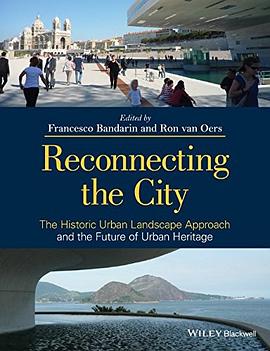
Historic Urban Landscape is a new approach to urban heritage management, promoted by UNESCO, and currently one of the most debated issues in the international preservation community. However, few conservation practitioners have a clear understanding of what it entails, and more importantly, what it can achieve.
Following the publication of The Historic Urban Landscape: Managing Heritage in an Urban Century, the approach
is now further elaborated with a more practical slant and translates the notion
into an operational set of management practices. In this follow-up book, the
editors pull together specially commissioned chapters on best practice in urban
heritage management from established professionals in the field. Drawn from a
variety of disciplines related to urban management and conservation these
authors present and discuss methodologies and practices to consider in the
implementation of the Historic Urban Landscape approach as advocated by UNESCO.
The contributors are selected from professionals who have written, argued or debated about the role of historic
cities in contemporary society. As well as their chapters, there are interviews
with six high-profile people from different regions of the world giving their
critical reflections on the UNESCO approach in relation to their own ideas on
urban heritage conservation and city management.
Reconnecting the City: the Historic Urban Landscape Approach and the Future of Urban
Heritage provides a thorough discussion, structured by themes on issues related to key topics in the field of urban management, from changing demographics and increasing urbanisation to the pressures of economic
development and decentralisation; social interaction; and economic feasibility and financing of heritage conservation.
By presenting a range of methodologies and tools to support urban conservation in a way that is sensitive to cultural differences, the editors encourage a departure from the compartmentalized approaches of today’s urban heritagemanagement.
The book includes contributions from HH The Aga Khan, Rem Koolhaas, Stefano Bianca and Julian Smith – and many other internationally respected figures.
The book’s companion website offers invaluable resources from UNESCO relating to the Historic Urban Landscape
Approach, as well as additional illustrations and web-links.
目录信息
读后感
用户评价
这本书的语言风格,用一个词来形容,就是“精准的诗意”。作者的文字功底令人赞叹,他似乎总能找到那个最恰当的词汇,去捕捉那种难以言喻的城市情感。他笔下的城市不是一个静止的背景,而是一个充满张力和矛盾的动态剧场。读到关于公共空间如何成为社会张力的熔炉,以及设计如何在无形中引导或限制人类行为的部分时,我被深深地震撼了。这种对语言的驾驭能力,使得即便是探讨那些较为抽象的社会学或地理学概念,也变得生动易懂,充满了画面感。我感觉自己仿佛在阅读一部由散文家撰写的城市史诗,而不是一本严肃的学术专著。这种流畅性,极大地降低了阅读门槛,确保了其深刻的思想能够触及更广泛的群体,引发更广泛的社会对话。
真正让我对这本书产生强烈共鸣的,是它最终指向的那种超越物质层面的思考——即城市作为人类精神栖息地的意义。作者没有止步于分析“如何连接物理空间”,而是深入挖掘了“如何重建社群信任与归属感”这一更为宏大的命题。他似乎在暗示,现代城市生活最大的危机并非交通堵塞或住房短缺,而是人与人之间情感纽带的断裂。通过一系列充满洞察力的案例分析,他展示了那些真正成功的社区重塑案例,往往是基于深厚的相互理解和共同的愿景,而非简单的基础设施投入。这本书带给我的不仅仅是知识的增长,更是一种深层次的启发:它促使我重新思考自己与所处环境的关系,以及我们每个人在塑造未来城市图景中应扮演的角色。读完之后,我感到了一种被赋权的感觉,仿佛手中握着了一把钥匙,可以去解锁我们城市中那些沉睡的、尚未被充分发掘的连接潜力。
坦白说,初读这本书的标题时,我略微有些疑虑,担心它会过于偏重于某种单一的、流行的城市复兴口号。然而,接下来的阅读彻底打消了我的顾虑。作者展现出惊人的批判性和平衡感,他没有盲目地歌颂任何一种“灵丹妙药”,而是极其审慎地剖析了“重新连接”这一概念背后的多重含义和潜在陷阱。他清晰地指出了过度商业化或精英主导的“复兴”项目如何可能疏远真正的城市居民,甚至加剧不平等。这种深刻的自我反思和对权力结构的审视,使得整本书的论述显得格外扎实可靠。我欣赏作者敢于挑战主流叙事的勇气,他更倾向于探讨那些在夹缝中生存的、非正式的、充满活力的连接方式,这些往往是官方规划所忽略的宝贵财富。这种对城市生命力的尊重,使得这本书不仅是一本理论著作,更像是一份对当下城市发展路径的温柔而坚定的提醒。
这本书的叙事节奏把握得极其精妙,它像是一首结构复杂的交响乐,高潮迭起,低回婉转。我惊喜地发现,作者并未采用那种平铺直叙的学术论证方式,而是巧妙地将理论思考嵌入到一个个引人入胜的案例研究之中。比如,他对边缘地带社区韧性的分析,就不仅仅是罗列数据,而是通过几代居民口述史的穿插,赋予了冰冷的概念以鲜活的生命力。我感觉自己像是跟随一位博学的向导,进行了一次深度的城市考古。更值得称道的是,作者在处理不同尺度问题时的游刃有余——他能在宏观的区域发展战略和微观的邻里互动之间自由切换,每一次切换都恰到好处地揭示了城市复杂性背后的内在逻辑。这种多层次的叙事结构,使得即便是对城市研究不甚了解的普通读者,也能轻松地沉浸其中,并从中汲取到深刻的见解。这绝对是一部能让人在阅读时不断停下来,合上书本,陷入沉思的作品。
这本书的开篇就带着一种让人无法抗拒的魔力,仿佛作者是一位经验老到的城市漫游者,正拉着你的手,穿梭在那些被我们日常忽略的街道和角落。他对于城市肌理的描绘,不仅仅停留在建筑的物理结构上,更是深入到那些由人与空间互动所编织出的微妙关系网中。我尤其欣赏他对“地方感”的探讨,那种深深植根于特定场域的独特气质,如何被时间、历史和居民的生活方式共同塑造成形。阅读过程中,我不断地在脑海中重构自己居住的城市,开始用一种全新的、更具人文关怀的视角去审视那些熟悉的景象。作者似乎有一种天赋,能将冰冷的城市规划理论,转化为充满温度的、可以触摸和感受的叙事,让读者真切地体会到,一个成功的城市绝非钢筋水泥的堆砌,而是活生生的生命体。那种对细节的执着捕捉,从老旧报刊亭的气味,到清晨市场中喧嚣的人声,都构筑起了一幅立体而生动的城市画卷,让人读后久久不能忘怀。
only conclusion. including a lot of issues into HUL. Is it only for a new term?
目前最全的解析HUL的书之一,有几章节还是写的很有用的。
目前最全的解析HUL的书之一,有几章节还是写的很有用的。
only conclusion. including a lot of issues into HUL. Is it only for a new term?
only conclusion. including a lot of issues into HUL. Is it only for a new term?