
具体描述
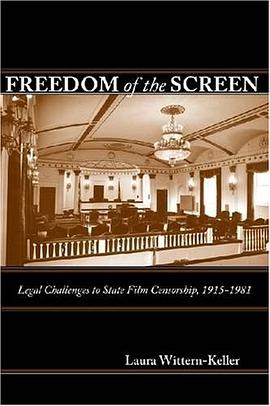
At the turn of the twentieth century, the proliferation of movies attracted not only the attention of audiences across America but also the apprehensive eyes of government officials and special interest groups concerned about the messages disseminated by the silver screen. Between 1907 and 1926, seven states -- New York, Pennsylvania, Ohio, Virginia, Kansas, Maryland, and Massachusetts -- and more than one hundred cities authorized censors to suppress all images and messages considered inappropriate for American audiences. Movie studios, hoping to avoid problems with state censors, worrying that censorship might be extended to the federal level, and facing increased pressure from religious groups, also jumped into the censoring business, restraining content through the adoption of the self-censoring Production Code, also known as the Hays code.But some industry outsiders, independent distributors who believed that movies deserved the free speech protections of the First Amendment, brought legal challenges to censorship at the state and local levels. Freedom of the Screen chronicles both the evolution of judicial attitudes toward film restriction and the plight of the individuals who fought for the right to deliver provocative and relevant movies to American audiences. The path to cinematic freedom was marked with both achievements and roadblocks, from the establishment of the Production Code Administration, which effectively eradicated political films after 1934, to the landmark cases over films such as The Miracle (1948), La ronde (1950), and Lady Chatterley's Lover (1955) that paved the way for increased freedom of expression. As the fight against censorship progressed case by case through state courts and the U.S. Supreme Court, legal authorities and the public responded, growing increasingly sympathetic toward artistic freedom. Because a small, unorganized group of independent film distributors and exhibitors in mid-twentieth-century America fought back against what they believed was the unconstitutional prior restraint of motion pictures, film after 1965 was able to follow a new path, maturing into an artistic medium for the communication of ideas, however controversial. Government censors would no longer control the content of America's movie screens. Laura Wittern-Keller's use of previously unexplored archival material and interviews with key figures earned her the researcher of the year award from the New York State Board of Regents and the New York State Archives Partnership Trust. Her exhaustive work is the first to discuss more than five decades of film censorship battles that rose from state and local courtrooms to become issues of national debate and significance. A compendium of judicial action in the film industry, Freedom of the Screen is a tribute to those who fought for the constitutional right of free expression and paved the way for the variety of films that appear in cinemas today.
作者简介
目录信息
读后感
用户评价
这部小说简直是场视觉盛宴,作者的笔触如同最精妙的油画,将那个特定年代的浮华与暗流描绘得淋漓尽致。我仿佛能闻到老式胶片放映机散发出的热度和灰尘的味道,感受到幕布上光影变幻带来的那种魔力。叙事节奏把握得相当老道,时而如同一部紧张的谍战片,信息在不同角色间快速传递,让你屏住呼吸;时而又像一首悠扬的圆舞曲,沉浸在人物细腻的情感纠葛中无法自拔。尤其值得称赞的是对时代背景的考据,那种对电影制作流程、幕后权力斗争的描摹,显示出作者下了深厚的功夫。那些关于审查制度、艺术自由边界的探讨,虽然没有直白地进行说教,却通过人物的命运和选择,不动声色地渗透出来,让人在合上书本后依然回味无穷。这本书成功地构建了一个自洽的、充满张力的世界,让读者完全忘记了现实的存在,全身心地投入到这场光影与权力的游戏中去。它不是那种快餐式的娱乐读物,它需要你沉下心来品味那些精心设计的细节和伏笔,每一次重读都会发现新的层次。
这本书的文字风格极其冷峻,带着一种近乎冰冷的疏离感,却又在不经意间流露出对特定群体的深刻同情。它没有采用传统小说那样清晰的主角光环设定,而是将焦点分散到一串复杂的人物关系网中,每个人似乎都在为生存和理想做着艰难的妥协。我特别欣赏作者在构建对话场景时的功力,那些台词精炼、暗藏机锋,短短几句就能勾勒出人物的阶层差异和隐秘的动机。叙事视角在不同人物之间游走,像一个隐形的摄像机,忠实地记录着各自的挣扎,却从不轻易下判断。这种多角度的呈现,使得整个故事的道德光谱变得异常复杂,让人难以简单地划分善恶。它像是一面镜子,映照出个体在巨大系统面前的无力与抗争,那种压抑感从纸页间渗透出来,让人读得很是揪心,却又忍不住想知道下一秒他们会如何挣扎下去。
读完这本书,我的第一感受是那种扑面而来的知识密度和思想深度。它远远超出了普通传记或行业观察的范畴,更像是一部深刻剖析文化传播规律的社会学著作,只不过它选择了用故事的形式来包装。作者在探讨媒体形态演变时,那种严谨的逻辑推导和对历史事件的精准引用,让人不得不佩服其研究的广度和深度。特别是关于受众心理如何被技术进步重塑的章节,观点新颖且极富洞察力,彻底颠覆了我过去对“大众媒介”的一些刻板印象。我喜欢作者那种冷静的叙述腔调,它避免了过度的煽情,而是以一种近乎学术的精确性,去解构那些看似光鲜亮丽的行业表象。如果你对媒介生态的底层逻辑感兴趣,这本书无疑是近些年来难得的佳作。它不仅提供了信息,更提供了一种审视信息、解读信息的高级视角,读完后感觉自己的思维框架都被拓宽了不少,看任何新闻或影视作品都会下意识地去分析其背后的运作机制。
这本书的结构安排简直是鬼斧神工,如同一个精密的万花筒。它并不是线性的时间叙事,而是由一系列碎片化的记忆、未完成的草稿、以及不同年代的采访录音交织而成。初读时可能会感到有些跳跃和迷失,需要读者主动去拼凑时间线索和人物关系,但一旦适应了这种叙事节奏,那种探索的乐趣就油然而生了。作者似乎在挑战读者对“故事”的传统认知,它更像是一部关于“缺失”和“留白”的艺术品。大量的留白并非偷懒,而是故意为之,它强迫读者用自己的经验去填补那些未被言明的情感和事件,使得每个人的阅读体验都具有极高的个人化色彩。这种挑战性的阅读体验,让它从同类作品中脱颖而出,它不仅仅是提供了一个故事,更提供了一套解谜的工具和一套思考的框架。
我必须承认,这本书的阅读过程是充满挑战的,甚至可以说是有些令人感到疲惫的,但这疲惫感恰恰源于其思想的重量。作者对权力运作模式的剖析,达到了令人不寒而栗的程度。他没有停留在对表层政治斗争的描述上,而是深入到文化产品如何被“格式化”和“编码”的深层机制。书中那些关于信息过滤、符号植入的分析,读起来让人感觉像是被揭开了某些行业内的“潜规则”,那些曾经看似偶然的现象,在作者的梳理下,都指向了一个清晰的、系统的逻辑链条。尽管题材严肃,但作者的文字功力保持了极高的水准,大量使用的精准比喻和排比句式,使得那些晦涩的理论分析也变得生动起来。这本书更像是一份犀利的行业诊断报告,充满了警示的意味,读完之后,我对于我们所消费的“内容”的生产过程,产生了一种全新的、更加警惕的审视态度。