
具体描述
作者简介
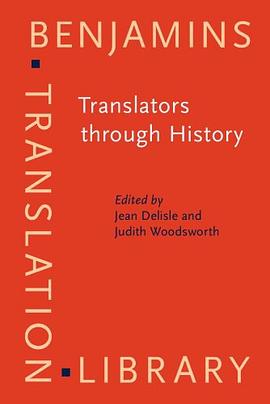
目录信息
Foreword to the second edition xiii
Preface xix
Introduction xxiii
chapter 1 Translators and the invention of alphabets 3
Ulfila, evangelist to the Goths 4
Mesrop Mashtots and the flowering of Armenian culture 6
Cyril and Methodius among the Slavs 9
James Evans and the Cree of Canada 12
chapter 2 Translators and the development of national languages 21
A language for England 22
The emancipation of French 31
Martin Luther: artisan of the German language 38
The flowering of the Swedish language 43
The evolution of the Gbaya language in Cameroon 46
Hebrew: a modern language for Israel 50
chapter 3 Translators and the emergence of national literatures 61
Joost van den Vondel and the Dutch Golden Age 63
Translating Shakespeare to/on the European Continent 68
Changing sides: the case of Ireland 72
Speaking intimately to the Scottish soul – in translation 76
Jorge Luis Borges and the birth of Argentine literature 81
Translation and cultural exchange in African literatures 84
chapter 4 Translators and the dissemination of knowledge 95
China: importing knowledge through translation 98
India: at the crossroads of translation 102
Baghdad: centre of Arabic translation 106
Medieval Spain: cultural exchange and rebirth 109
The Nordic countries: breaking down the barriers of isolation 114
Machine translation: machines as translators? 117
chapter 5 Translators and the reins of power 127
The Balfour Declaration: “homeland” or “national home”? 129
Medieval translation enterprises from Baghdad to Western Europe 130
Toward multiple centres of power: the case of France 133
Translation as subversion: Italy and the former Soviet Union 138
Conquest and colonization in the New World 142
Women translators: England, the Continent and North America 143
When translators wield power 147
Reframing translation in the twenty-first century 148
chapter 6 Translators and the spread of religions 153
Judaism: the oral and written word from ancient to modern times 155
Christianity: religious texts in the languages of the world 160
Islam: the Koran, untranslatable yet abundantly translated 172
Hinduism: the case of the Bhagavad Gita 176
Buddhism: the spread of the religion across East Asia 178
Translating the sacred texts of the East 179
chapter 7 Translators and the transmission of cultural values 187
The translator’s letter home 188
The Koranic Orient and religious pluralism 193
Elizabethan England: translating with a purpose 196
A Huguenot in England: the emergence of European consciousness 200
Revolutionary France: serving the cause 202
France’s infatuation with the Gothic novel 205
The impact of translated thought: a Chinese example 209
American science fiction and the birth of a genre in France 212
chapter 8 Translators and the production of dictionaries 223
Monolingual dictionaries: from clay tablets to paper dictionaries 223
The dictionary across cultures 224
The Middle Ages, or the dawn of structured lexicography 227
The dictionary in Europe: from the Renaissance to the present 230
Bilingual and multilingual dictionaries 233
Terminological dictionaries: from specialized glossaries
to computerized term banks 237
The dictionary’s journey 242
chapter 9 Interpreters and the making of history 247
Evolving forms and methods of interpreting 249
Interpreters in the service of religion 256
Exploration and conquest 261
War and peace 266
Interpreting diplomats – diplomatic interpreters 274
appendix I Description of illustrations 285
appendix ii Contributors, translators and proofreaders 291
Works cited 297
Index of names 323
About the authors 337
· · · · · · (收起)
读后感
用户评价
这本书的出现,对我而言,无疑是一场思想的盛宴。作为一名长期在跨文化交流领域工作的从业者,我深切体会到翻译工作所蕴含的复杂性和重要性。 《Translators through History》这个名字,就像一把钥匙,预示着它将开启一扇通往历史深处的大门,让我得以窥探那些曾经鲜为人知的翻译大师们的生活与思想。 我设想,书中定然会详细地阐述不同历史时期翻译的演变过程,从早期口头翻译的朴素形式,到如今高度专业化、技术化的翻译产业,这其中必定蕴含着无数的变革和创新。我尤其期待能够了解到,在那些信息相对闭塞的古代,翻译家们是如何克服语言、文化、甚至政治上的重重阻碍,将异域的思想精髓准确地传达给本民族的读者。 他们是否像炼金术士一样,将一种语言的“元素”转化为另一种语言的“元素”,而又不失其原有的“能量”?书中的案例分析,我想一定会非常精彩,让我能够更加深入地理解翻译过程中的艺术性和科学性。 此外,我也很好奇,在某些特殊的历史时期,比如战乱、殖民或者文化冲突的背景下,翻译家们是否扮演了调和矛盾、促进理解的角色?他们的翻译工作,是否在某种程度上影响了历史的走向?这些问题都让我充满了探究的欲望,希望这本书能够一一解答我的疑惑,让我对翻译家这个职业产生更深层次的敬意。
我一直以来都对那些在幕后默默奉献,却对人类文明进程产生深远影响的人物充满好奇。尤其是在语言和文化交流的领域,翻译家扮演的角色至关重要,他们是跨越语言障碍的桥梁,是不同文明对话的使者。 《Translators through History》这本书,尽管我还没有来得及细读,但光是书名就足以激发起我内心深处的探索欲。我期待这本书能带我走进那些不为人知的翻译家们的世界,去了解他们是如何在历史的长河中,用他们的智慧和汗水,将那些宝贵的思想、知识和艺术传递给后世。我很好奇,在不同的历史时期,翻译面临着怎样的挑战?当时的社会环境又是如何影响翻译的?是怎样的信念支撑着这些翻译家们,让他们甘于寂寞,不计名利地投身于这项艰巨而伟大的事业? 我想象着,书中有可能会描绘出那些古代的抄写员,他们一丝不苟地在羊皮纸上摹写古籍,将失传的智慧留存;也可能讲述那些在中世纪,将阿拉伯世界的科学知识翻译成拉丁文,从而推动欧洲文艺复兴的学者们;更有可能揭示近代以来,那些将西方科技、文学、哲学引入中国的先驱者们,他们的翻译工作如何改变了中国的近代史进程。 我相信,这本书不仅仅是关于翻译家本人的故事,更是通过他们的视角,展现了不同时代、不同地域的文化交流图景,以及语言在其中扮演的关键角色。我迫不及待地想翻开这本书,去感受那些跨越时空的思想碰撞,去体会那些用文字构建起来的沟通奇迹。
《Translators through History》 ,这个书名本身就散发着一种穿越时空的魅力。我一直认为,翻译是一项极其高尚且充满挑战的职业,它连接着不同的文明,促进着人类的相互理解。这本书,无疑为我提供了一个深入了解这个职业历史的机会。 我设想,书中可能会从早期口译的萌芽讲起,讲述那些在部落之间、商旅往来中,扮演着关键角色的口译员,他们或许没有留下名字,但他们的工作却弥合了最初的语言隔阂。 接着,我期待看到关于文字翻译的发展。比如,那些在古代帝国中,负责将官方文献、宗教经典翻译成各种语言的宫廷翻译官,他们的工作对于维护帝国的统治和文化传播起到了至关重要的作用。 我也很好奇,在宗教改革时期,那些将圣经翻译成各民族语言的翻译家们,他们的工作是如何深刻地影响了宗教的普及和思想的解放。 另外,我特别想知道,在近现代,随着全球化的深入,翻译行业是如何演变的?那些为科学技术、文学艺术的跨国传播做出巨大贡献的翻译家们,他们的工作模式、遇到的困难又有哪些? 我相信,这本书不仅仅是关于翻译家个人的传记,更是一个关于人类如何通过语言来认识世界,理解彼此的宏大叙事。 我迫不及待地想翻开它,去聆听那些跨越千年的语言之声,去感受那些用文字构建起的无形之桥。
最近在书架上注意到这本书, 《Translators through History》 ,它的存在本身就让我感到一种历史的厚重感。虽然我还没有仔细品读,但光是这个书名,就仿佛是一本厚重的史书,里面承载着无数关于语言、文化交流的传奇故事。 我脑海中浮现出,在古代,那些默默无闻的抄写员,他们可能不被世人所知,但他们通过复制和翻译,将古老的智慧一代一代地传承下来。我又想到,在中世纪,那些将伊斯兰世界的科学和哲学著作翻译成欧洲语言的学者们,正是他们的工作,为文艺复兴的到来播下了种子。 还有那些在近代,将西方先进的科学技术、文学艺术介绍到中国的知识分子们,他们的翻译工作,又何尝不是在为中华民族的现代化进程铺平道路? 我相信,这本书不仅仅是记录翻译家的生平事迹,更重要的是,它会通过这些翻译家的眼睛,让我们看到不同文明之间的碰撞与融合,看到语言的魅力和力量。 我很期待,书中能够细致地描绘出翻译过程中所遇到的种种困难,比如语言的不对称性,文化的隔阂,以及时代背景下的政治压力等等。 我也想知道,这些翻译家们,他们是如何在理解原文的基础上,用自己的母语进行再创造,从而让译文既忠实于原文,又具有生动的表达力? 我迫不及待地想翻开这本书,去探索那些隐藏在历史深处的翻译故事,去感受那些用文字连接起不同心灵的伟大灵魂。
这本《Translators through History》 ,光是书名就足够引人遐想。我一直对那些幕后英雄,那些在不同文化、不同时代之间架起沟通桥梁的人们充满敬意。翻译家,无疑是其中最重要的一群人。我迫切地想知道,这本书会如何描绘这些历史上的伟大灵魂。 我想象着,书里会讲述那些在古希腊罗马时期,将埃及、波斯等文明的文献翻译成希腊语和拉丁语的学者们,他们是如何保存和传播了人类早期的智慧火种。 继而,我想象着,在丝绸之路上,那些往来的僧侣和商人,他们是如何通过翻译佛经、商业契约,将东方的文化和思想带到西方,又将西方的技术和商品引入东方。 还有,我特别期待看到关于近现代翻译家的故事。比如,那些在帝国主义时期,在殖民地和被殖民地之间奔波,用翻译来弥合理解鸿沟的知识分子们;又或者,是在冷战时期,那些冒着风险将对方阵营的重要文献翻译过来,以增进了解的翻译家们。 我希望这本书不仅仅是枯燥的史料堆砌,更重要的是,它能够通过生动的人物故事,展现翻译家们所面临的挑战,他们的坚持,他们的牺牲,以及他们的智慧。 我想了解,他们是如何在原文的精髓和目标语言的习惯之间找到最佳的平衡点,如何用最恰当的文字来传递最复杂的情感和思想。这本书,对我来说,是一扇通往更广阔世界的大门。