
具体描述
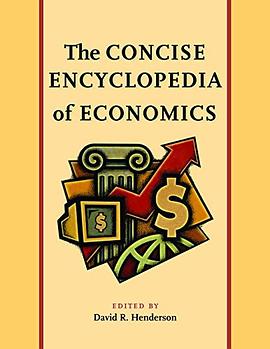
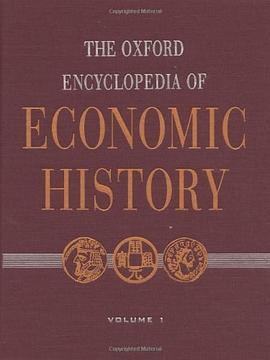
It is difficult to understand history or the conditions of modern society without a strong grasp of the economic past. Time and again, historic change is wrought by an underlying economic dynamic. For instance, what were the economic roots of modern industrialism? Were resource scarcities a positive element in stimulating technological change through the ages? Why were the Malthusian predictions of overpopulation and starvation in the early nineteenth century confounded? Were labor unions ever effective in raising workers' living standards? Did high levels of taxation in the past normally lead to economic decline? What were the roots of economic imperialism and what effect did it have on today's underdeveloped world? What were the effects of the poor law reforms in Britain in the 1830s? These and similar questions profoundly inform a wide range of intertwined social issues whose complexity, scope, and depth will become fully evident in this encyclopedic treatment of the subject. The encyclopedia contain the following types of articles: - Country and regional essays. Examples: France, Genoa, New England, Ohio River, the Ruhr. These articles may range from relatively exhaustive essays of 10,000 words to 500 words. * Major essays on abstract concepts. Examples: Industrial Revolution, Feudalism, Invention, Malthusian models, Famine, Accumulation. Essays between 5,000 and 8,000 words. * Major essays on institutions, phenomena, and historical processes. Examples: Investment banks, cotton, steel, trading routes, real wages, business cycles, slavery, canals. Essays between 3,000 and 8,000 words. * Shorter essays on abstract concepts. Examples: productivity change, Engel's Law, cartels, gold standard. Essays between 1,000 and 5,000 words. * Shorter essays on concrete facts, institutions, events, and phenomena. Examples: guilds, enclosures, free banking, Great German Inflation, homestead farming, New Deal, I. G. Farben. Essays between 500 and 5,000 words. * Important names from both technology and business, along with economic historians of note. Examples: Richard Arkwright, Johann Gutenberg, Benjamin Franklin, John D. Rockefeller, Hjalmar Schacht, Karl Marx. Essays between 500 and 2,000 words. Because of the interdisciplinary complexity of the field, the encyclopedia is divided not only by chronological and geographic boundaries, but by related subfields such as agricultural history, demographic history, business history, and the history of technology. Smaller categories include financial and corporate history, the history of migration, and transportation history. Each article is followed by a bibliography, and each article is signed with its contributor's name. This title is available both in print and as an e-reference text from Oxford's Digital Reference Shelf. A directory of contributors, a synoptic outline of contents, and an index are included. The editorial board and contributors include scholars from Europe, Latin America, Africa, and Asia; it is intended that the project's scope be truly international. There exists no comparable work.
作者简介
目录信息
读后感
用户评价
这本厚重的百科全书,初次捧读时,着实被其浩瀚的知识体系所震撼。它不仅仅是对经济史脉络的梳理,更像是一幅宏大而精密的编年史画卷,将人类社会从早期聚落的物质交换,一直铺陈到全球化浪潮下的复杂金融模型。我特别欣赏它对不同历史时期经济范式的深度剖析。例如,书中关于中世纪行会制度的论述,细致入微地描绘了那种既保障质量又抑制创新的双刃剑效应,远比教科书上的泛泛而谈要来得鲜活和立体。尤其是关于早期重商主义政策的案例分析,作者们并没有简单地贴上“落后”的标签,而是将其置于当时国家权力竞争和积累原始资本的历史语境中去理解,这种审慎的态度令人信服。阅读过程中,我感觉自己仿佛穿越时空,亲历了圈地运动带来的社会结构剧变,体会了工业革命初期那种野蛮生长与技术爆炸交织的复杂心境。它不是那种只关注宏观GDP和贸易平衡的枯燥记录,而是扎根于具体的社会实践和制度演变之中,让人对“经济”二字的理解,从抽象的概念迅速落地为鲜活的历史场景。每一次翻阅,都能从不同章节中捕捉到新的启发,发现以往被忽略的细节,这无疑是学术研究者和对历史有深厚兴趣的普通读者都难以割舍的宝藏。
坦率地说,作为一本百科全书,它的条目组织和检索便利性达到了一个相当高的水准。我曾经为了某个特定的历史事件,比如“郁金香狂热”,去查阅其他资料,但往往需要拼凑不同来源的信息才能形成一个完整的图景。然而,在这部作品里,相关的条目不仅独立成篇,结构完整,而且相互之间的交叉引用做得非常到位,使得知识点的串联成为一种自然而然的体验。我测试了几次复杂的概念搜索,比如“制度变迁的路径依赖性在农业革命中的体现”,它总能精准地将我导向最相关的几个关键论述,避免了冗余和信息过载。对于需要撰写长篇报告的学生或者研究人员来说,这种工具性价值是无可替代的。它不仅仅是知识的容器,更像是一个高效的、经过精心编排的知识导航系统。每次使用,都能感受到背后编辑团队的严谨和对读者需求的深刻理解。这种高效性,在快节奏的学术研究中,无疑是节省时间和精力的大利器。
这本书的语言风格,虽然整体上保持了学术的严谨和客观,但在某些特定主题的阐述上,却展现出一种近乎文学的描摹能力。例如,在描述“全球化早期”跨洋贸易的艰辛与机遇时,文字间流露出的那种对早期商人和水手命运的敬意,让冰冷的数据也仿佛有了温度。这种张弛有度的叙事节奏,极大地提升了阅读的愉悦感,使我得以长时间沉浸其中而不感到疲倦。它成功地在信息密度和可读性之间找到了一个微妙的平衡点。即便是一些涉及到复杂计量经济学的条目,在作者的梳理下,也能以清晰的逻辑框架呈现,让非专业人士也能把握其核心论点。总而言之,这不只是一部供人查阅的工具书,更是一部可以沉下心来通读,并在阅读过程中不断产生思想回响的知识载体。它对于理解人类如何一步步构建起我们今日所依赖的复杂经济世界的历史路径,提供了不可替代的深度与广度。
读完其中关于“技术扩散与知识产权历史演变”的几部分内容后,我产生了一种强烈的历史宿命感。书中详尽记载了印刷术、蒸汽机等革命性技术在不同国家和地区接受和应用的速率差异,并清晰地揭示了这些差异背后潜藏的法律保护、教育水平以及社会对变革的抵触程度。这种对技术作为一种社会建构物的深刻洞察,远超出了单纯的技术史叙述。我注意到,作者们对于“效率”的界定也保持了极高的历史敏感性——效率在一个时期被认为是最佳的,在另一个时期却可能被视为灾难的源头,这完全取决于当时主流的生产关系和权力结构。这种对历史相对性的强调,使得我对现代经济学中那些看似普适的“优化”概念产生了必要的警惕。它教会我,任何经济模型和制度设计,都必须放在特定的历史舞台上进行审视,脱离了时间与空间,所谓的“最优解”往往只是空中楼阁。
我发现这本书最引人入胜之处,在于其对“经济”与“文化”、“政治”之间相互作用的精妙阐释。它完全打破了传统经济学那种将经济活动视为孤岛的视角。比如,在探讨大航海时代白银的大量流入对欧洲社会结构的影响时,作者们并未止步于通货膨胀的量化分析,而是深入挖掘了新财富如何腐蚀了旧有的贵族价值观,催生了新的商人阶层文化,甚至间接影响了宗教改革的某些侧面。这种跨学科的整合视角,极大地丰富了我的认知维度。我尤其喜欢它对不同文明区域经济模式的对比研究。比如,将东亚的宗族式商业网络与西欧的契约化公司治理模式进行对照时,那种细致入微的比较,揭示了文化基因在长期经济发展路径选择中的隐蔽而强大的作用力。阅读时,我经常会停下来,思考今天我们所面临的许多经济困境,其实都能在这些古老的、根植于特定地域文化的制度设计中找到蛛丝马迹。它提供的不是现成的答案,而是一套观察世界经济现象时,应该具备的深层分析工具和历史纵深感。