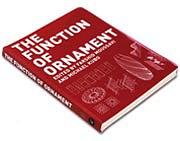

具体描述
Architecture needs mechanisms that allow it to become connected to culture. It achieves this by continually capturing the forces that shape society as material to work with. Architecture's materiality is therefore a composite one, made up of visible forces (structural, functional, physical) as well as invisible forces (cultural, political, temporal). Architecture progresses through new concepts that connect with these forces, manifesting itself in new aesthetic compositions and affects. Ornament is the by-product of this process, through which architectural material is organized to transmit unique affects. This book is a graphic guide to ornaments in the twentieth century. It unveils the function of ornament as the agent for specific affects, dismantling the idea that ornament is applied to buildings as a discrete or non-essential entity. Each case operates through greater or lesser depth to exploit specific synergies between the exterior and the interior, constructing an internal order between ornament and material. These internal orders produce expressions that are contemporary, yet whose affects are resilient in time.
作者简介
Farshid Moussavi is Professor in Practice in the Department of Architecture, Harvard University Graduate School of Design. Her London-based firm, Foreign Office Architects (FOA), is recognized as one of the most creative design firms in the world, deftly integrating architecture, urban design, and landscape architecture in their projects. They have produced numerous critically-acclaimed and award-winning international projects, most notably the Yokohama Ferry Terminal in Japan. Prior to establishing Foreign Office Architects (with Alejandro Zaera Polo) in London in 1992, she worked with the Renzo Piano Building Workshop in Genoa and the Office for Metropolitan Architecture in Rotterdam. Michael Kubo is Teaching Associate in Architecture at Harvard University Graduate School of Design and the US Director of ACTAR. He graduated with an M.Arch from the Harvard Graduate School of Design, and with a B.A. in Architecture from the University of Massachusetts-Amherst. With ACTAR, he is the editor of Desert America: Territory of Paradox (2006), Verb Conditioning (2005), Seattle Public Library (2005), Verb Connection and Verb Matters (2004), Phylogenesis: FOA's Ark (2003), and The Yokohama Project (2002). He previously collaborated with Rem Koolhaas and OMA / AMO as Associate Editor for the Harvard Guide to Shopping (2001), Great Leap Forward (2001), and Mutations (2000).
目录信息
读后感
http://item.taobao.com/item.htm?spm=686.1000925.1000774.5&id=7137117696 THE FUNCTION OF ORNAMENT
做case study时扫描了部分跟自己课题有关的 但也是大半本了 有兴趣的豆油我索取下载地址。。。 做好事居然还要凑字数 做好事居然还要凑字数 做好事居然还要凑字数 做好事居然还要凑字数 做好事居然还要凑字数 做好事居然还要凑字数
http://item.taobao.com/item.htm?spm=686.1000925.1000774.5&id=7137117696 THE FUNCTION OF ORNAMENT
做case study时扫描了部分跟自己课题有关的 但也是大半本了 有兴趣的豆油我索取下载地址。。。 做好事居然还要凑字数 做好事居然还要凑字数 做好事居然还要凑字数 做好事居然还要凑字数 做好事居然还要凑字数 做好事居然还要凑字数
做case study时扫描了部分跟自己课题有关的 但也是大半本了 有兴趣的豆油我索取下载地址。。。 做好事居然还要凑字数 做好事居然还要凑字数 做好事居然还要凑字数 做好事居然还要凑字数 做好事居然还要凑字数 做好事居然还要凑字数
用户评价
《The Function of Ornament》这本书,就像一次意外的思想碰撞,让我对“装饰”这个概念的理解发生了翻天覆地的变化。在我固有的认知里,“装饰”往往与“非必要”、“过度”、“不实用”这些词语划等号。我总觉得,在任何设计或创作中,功能性才是核心,而装饰,不过是“锦上添花”,甚至是“画蛇添足”。我甚至预设了这本书会是一篇对繁复装饰的批判,或者是一场关于简洁至上理念的论述。然而,这本书的内容,却以一种意想不到的深度和广度,展现了装饰的“功能”。作者并没有停留在表面,而是深入挖掘了装饰在历史、文化、心理,甚至社会结构中所扮演的多重角色。它让我明白,装饰从来都不是孤立存在的,它是人类情感、社会认同、文化传承,甚至是信仰表达的重要载体。我开始理解,那些曾经被我视为“累赘”的纹样、雕刻、比例,在它们的时代和文化语境中,是如何承载着如此丰富的意义和功能的。这本书的叙事方式也十分迷人,它并非枯燥的理论说教,而是通过生动的历史案例和艺术品的分析,将抽象的概念变得具体而可感。我仿佛跟随作者的笔触,穿梭于不同的文明之间,见证了装饰如何成为人类表达自我、构建秩序、寻求慰藉的重要方式。它极大地拓宽了我对“功能”的定义,让我认识到,真正的功能,并非仅仅是物质层面的实用,更包含了人类在精神、情感、文化等方面的深层需求。我开始以一种更加开放和尊重的态度去审视周围的世界,那些曾经被我忽略的设计细节,都仿佛被赋予了新的生命和意义。
《The Function of Ornament》这本书,在我拿到它的时候,坦白说,我带着一种略显“冷漠”的心态。在我的观念里,“装饰”这个词,总是和“多余”、“不实用”、“浪费”这些标签绑在一起。我始终认为,一个物件、一个空间,它的价值核心在于其功能性,而装饰,不过是一种锦上添花,甚至是一种干扰。我甚至预设了这本书会是一篇关于如何摒弃装饰,追求极致简约的论述,准备迎接一堆关于“少即是多”的格言。然而,这本书的内容,却以一种极其深刻和令人信服的方式,颠覆了我固有的认知。它并没有简单地否定或拥护装饰,而是以一种宏观的视角,深入探讨了装饰在人类历史、文化、社会以及心理层面的“功能”。作者用丰富的历史案例和跨文化的比较,展示了装饰如何不仅仅是视觉上的美化,更是身份的象征、文化的载体、情感的表达,甚至是社会秩序的构建。我开始理解,那些曾经被我视为“累赘”的纹样、雕刻、色彩,在它们所处的时代和文化语境中,是如何扮演着如此关键的角色,承载着如此丰富的信息。这本书的叙事方式也十分独特,它并非枯燥的理论堆砌,而是通过生动的故事、详实的考据,将那些抽象的概念变得触手可及。我仿佛跟随作者的笔触,穿越时空,去理解装饰如何成为人类表达自我、寻求认同、维系群体的重要手段。它极大地拓展了我对“功能”的理解,让我意识到,真正的功能,并非仅仅是物理上的实用,更包含了人类在精神、情感、文化等层面的深层需求。
《The Function of Ornament》这本书,带给我一种前所未有的震撼,因为它彻底瓦解了我对“装饰”的固有看法。在我看来,“装饰”一直是一种可有可无的存在,一种为了美观而牺牲实用性的“累赘”。我曾经认为,真正优秀的设计,应该做到简洁、高效,将所有精力放在实现功能上,而装饰,只是多余的“脂肪”。因此,当拿到这本书时,我内心是带着一丝 skepticism 的,我预想它会是一篇歌颂纯粹功能主义的文章,或者是一次对过去繁复装饰风格的批评。然而,这本书的内容,却以一种极其深刻和系统的方式,揭示了装饰背后隐藏的巨大“功能”。作者并没有仅仅停留在美学的层面,而是深入到历史、文化、社会学、甚至心理学的维度,去探讨装饰在人类文明中的重要作用。它让我意识到,装饰从来不是简单的“画蛇添足”,而是承载着丰富信息的“语言”,是表达身份、传递文化、维系社会结构,甚至是满足人类情感需求的强大工具。我开始理解,为什么在某些时代和文化中,装饰会被如此重视,那不仅仅是对美的追求,更是对内在精神世界的表达和确认。这本书的叙事方式也十分引人入胜,它并非枯燥的学术论述,而是通过大量的历史案例、艺术品分析,以及生动的语言,将那些抽象的概念变得栩栩如生。我仿佛跟随作者的笔触,穿越时空,去理解装饰如何成为人类在不同时期、不同环境中,构建意义、寻求认同、表达情感的重要方式。它极大地拓展了我对“功能”的定义,让我认识到,真正的功能,并非仅仅是物理上的实用,更包含了人类在精神、情感、文化等方面的深层需求。
这本书,在我拿到它的时候,确实让我感到一丝困惑。坦白说,“装饰”这个词,在我脑海中一直是和“多余”、“非必需”、“甚至有害”这些词语紧密相连的。我总觉得,设计和建筑,最核心的应该就是它的功能性,它的效率,它的实用。那些华丽的、繁复的、仅仅是为了好看的东西,在我看来,是一种浪费,是一种不应该存在的“负担”。我曾经以为,这本书会是一篇关于“如何去除装饰”或者“装饰的负面影响”的文章。我甚至已经准备好,要被那些关于现代主义简洁美学,或者功利主义设计理念的论调轰炸。但是,《The Function of Ornament》这本书,彻底地颠覆了我所有先入为主的观念。它没有告诉我装饰有多么“不好”,反而用一种非常扎实、非常深入的论证,来告诉我——装饰,它真的有“功能”。而且,这些功能,远比我想象的要深刻得多,复杂得多。它不仅仅是视觉上的愉悦,它还关乎着人类的情感,关乎着社会身份的表达,关乎着文化的传承,甚至关乎着我们与环境的互动。作者用一种非常细腻的笔触,将那些看似“无用”的雕花、纹样、比例,置于宏大的历史和文化背景下进行解读,让我恍然大悟。我开始意识到,我们对“功能”的理解,在很大程度上是被我们所处的时代所局限的。现代社会过度强调了物质上的实用性,却忽略了人类在精神、情感、象征意义上的巨大需求。这本书就像一扇窗户,让我看到了一个我从未曾关注过的世界,一个装饰不仅仅是装饰,而是承载着生命力、承载着意义的领域。我开始重新审视那些我曾经不屑一顾的细节,它们不再是简单的“画蛇添足”,而是与整个作品融为一体,互相成就的生命体。
《The Function of Ornament》这本书,在我拿到的时候,内心是带着一丝好奇,也夹杂着一些对“装饰”这个概念的固有偏见。我总觉得,在强调效率和实用的当下,装饰似乎是一种可有可无的存在,甚至是一种不必要的负担。我以为这本书会是一篇对过时装饰风格的批判,或者是对“少即是多”原则的歌颂。然而,这本书的内容,却完全出乎我的意料。它没有简单地否定或肯定装饰,而是以一种极其深刻和广阔的视角,探讨了装饰在人类文明中的“功能”。作者用大量的历史案例和跨文化的比较,揭示了装饰不仅仅是视觉上的美化,它更承载着丰富的社会、文化、心理和象征意义。它让我意识到,那些被我们视为“多余”的纹样、比例、甚至是材质,在不同的时代和文化背景下,都扮演着至关重要的角色。它们可以是对身份地位的象征,是对宗教信仰的表达,是对社会秩序的维系,甚至是人类情感的寄托。这本书的叙事方式也十分引人入胜,它不是那种枯燥的学术论证,而是将抽象的理论融入到生动的历史故事和艺术品分析中。我仿佛跟随作者的脚步,穿越时空,去理解那些古老的文明如何通过装饰来构建他们的世界观和价值观。它让我开始重新审视那些曾经被我忽视的设计细节,它们不再是简单的“累赘”,而是具有强大生命力和信息量的“载体”。这本书极大地拓宽了我对“功能”的定义,让我认识到,真正的功能并非仅仅是物理上的实用,更包含了人类在精神、情感、文化层面的深层需求。它让我开始用一种更加包容和开放的心态去理解世界,理解那些曾经被我视为“怪异”或“不实用”的设计,它们背后都蕴含着深刻的逻辑和意义。
读罢《The Function of Ornament》,我感觉自己像是经历了一场心灵的洗礼,又像是完成了一次视觉的探险。起初,我带着一种批判性的眼光去审视“装饰”这个概念,总觉得它与“效率”和“必要性”背道而驰。然而,这本书以一种出乎意料的细腻和深刻,瓦解了我固有的认知。它并没有像许多批评者那样,将装饰视为一种时代的累赘,而是将其置于一个更广阔的人类文明和心理需求的语境中去解读。作者仿佛是一位经验丰富的导游,带着我穿梭于不同时代、不同地域的建筑和艺术作品之间,揭示了那些被精心雕琢的纹样、繁复的线条、甚至是那些看似“无用”的比例,背后所蕴含的深刻的功能性。它让我意识到,装饰从来不是孤立存在的,而是与人类的情感、信仰、社会结构,乃至我们的生存环境息息相关。它可能是一种身份的象征,一种社会地位的彰显,一种对神灵的敬畏,一种对美的极致追求,甚至是一种心理上的慰藉。这本书让我开始重新审视那些曾经被我视为“过剩”的细节,它们不再是简单的“画蛇添足”,而是承载着丰富信息的“语言”。我开始理解,为什么在某些文化中,对装饰的追求如此之甚,那不仅仅是对物质的炫耀,更是对精神世界的表达和探索。它触及了我内心深处对“意义”的渴望,那种超越了纯粹物质功能的,更深层次的满足感。这本书让我明白了,真正的“功能”,并非仅仅是物理上的支撑和实用,它更包含了人类在精神、情感、文化层面的需求。我开始用一种全新的视角去观察周围的世界,那些曾经被我忽略的建筑细节,那些日常生活中被视为理所当然的设计,都仿佛在向我诉说着它们独特的故事。它不仅改变了我对“装饰”的看法,更让我对“功能”的定义产生了深刻的反思,这种反思是如此的普适,以至于我感觉它影响了我对生活、艺术、以及人类自身理解的方方面面。
《The Function of Ornament》这本书,坦白说,我在拿到它的时候,心里是带着几分好奇和一丝隐忧的。Ornament,装饰,这个词在我的日常认知里,常常与“多余”、“虚饰”、“不实用”这些标签联系在一起。我一直认为,建筑、设计,乃至生活本身,都应该以功能为核心,简洁、高效、实用才是王道。因此,当这本书的标题赫然出现在我的眼前时,我忍不住想:装饰,它究竟能有什么“功能”?这听起来就像是在探讨“云朵的实用性”一样,带着一种近乎哲学辩证的意味。我预想这本书可能会是一篇关于历史上的装饰风格演变,或者是对一些过时装饰理念的批判性反思。我甚至做好了准备,要被一堆堆关于繁复雕花、金碧辉煌的图例轰炸,然后被告知这些都是多么不合时宜的过去。然而,翻开书的第一页,我就知道我的预设完全错了,或者说,是太片面了。这本书并没有简单地罗列装饰的“样子”,而是深入探究了装饰背后,那种我们常常忽略的,却又根深蒂固的“作用”。它不是在为装饰辩护,而是在解构装饰,用一种前所未有的视角,让我们重新审视那些被我们视为“锦上添花”的东西,是如何在骨子里就扮演着至关重要的角色。这本书就像一把钥匙,打开了我对“功能”这个词的全新理解。我开始意识到,我们对功能的定义,在很大程度上是受当下时代主流思潮所塑造的。现代主义将实用性推向了极致,而这本书则温和地、但又坚定地将我们拉回到更广阔的视野,去发现那些超越物质层面的,更深层次的需求。它让我开始反思,那些曾经被视为“浪费”的装饰,在过去的日子里,是如何承载了文化、社会、情感,甚至是宗教意义的。它们不仅仅是物质的堆砌,更是精神的载体,是人类情感和想象力的延伸。这本书的叙事方式也很有意思,它不是那种枯燥的学术论述,而是穿插着大量的案例和历史考据,让那些原本抽象的理论变得生动起来。我一边阅读,一边脑海中不断浮现出那些熟悉的建筑、艺术品,以及生活中那些被忽视的细节,突然间,它们仿佛都被赋予了新的生命和意义。
《The Function of Ornament》这本书,如同一场意料之外的思想启蒙,彻底颠覆了我对“装饰”的陈旧认知。在我看来,“装饰”常常与“多余”、“浪费”、“不实用”这些词汇挂钩,是一种可以轻易舍弃的“锦上添花”。然而,这本书却以一种令人信服的逻辑和丰富的例证,将装饰提升到了一个全新的高度,揭示了其背后深层的“功能性”。作者并非仅仅在歌颂装饰的美学价值,而是深入剖析了装饰在人类历史、社会文化、乃至心理层面的多重作用。它让我意识到,装饰从来都不是简单的视觉填充,而是承载着丰富信息的“语言”。它可能是在彰显社会地位的徽章,是在传递宗教信仰的符号,是在表达情感的媒介,甚至是一种与环境互动,寻求心理平衡的策略。这本书的叙事风格也十分独特,它并非枯燥的理论堆砌,而是将抽象的概念融入到生动的历史场景和具体的艺术品分析中。我仿佛跟随作者的笔触,穿越时空,亲眼见证了那些曾经被视为“繁复”的装饰,是如何在不同的文明中扮演着至关重要的角色。它让我理解了,为什么在某些时期和文化中,对装饰的追求会如此狂热,那不仅仅是对美的追求,更是对精神世界的寄托,对身份认同的确认,对生存意义的探索。这本书极大地拓宽了我对“功能”的理解,让我认识到,真正的功能并非仅限于物理层面的实用性,更包含了人类在精神、情感、文化等方面的深层需求。它让我开始以一种更加包容和开放的心态去审视周围的世界,那些曾经被我忽视的细节,都仿佛被赋予了新的生命和意义。我开始思考,在快节奏的现代生活中,我们是否也在不自觉地剥离了某些重要的“装饰”,而失去了它们所承载的丰富信息和深层价值。
《The Function of Ornament》这本书,在我拿到它的时候,内心的确带着一丝“不以为然”。在我看来,“装饰”这个词,常常与“多余”、“不实用”、“甚至是一种浪费”这些标签紧密相连。我一直坚信,设计和艺术的最高境界,在于其纯粹的功能性和简洁的美学,而装饰,不过是“锦上添花”,是可有可无的“赘饰”。我甚至预设了这本书会是一篇关于如何去除装饰,回归本质的文章。然而,这本书的内容,却以一种极其深刻和令人信服的方式,完全颠覆了我原有的认知。作者并没有简单地从美学层面去论述装饰,而是以一种宏大的历史和文化视角,深入挖掘了装饰在人类社会中所扮演的“功能”。它让我意识到,装饰从来不是孤立的存在,而是承载着丰富的社会、文化、心理和象征意义。它可能是身份的标识,是文化的符号,是情感的寄托,甚至是社会秩序的体现。我开始理解,为什么在不同的文明和历史时期,人们会对装饰如此热衷,那不仅仅是对美的追求,更是对内在需求和价值的表达。这本书的叙事方式也极其吸引人,它并非枯燥的理论论证,而是通过大量的历史案例、艺术品分析,以及富有洞察力的解读,将那些抽象的概念变得生动而具体。我仿佛跟随作者的笔触,穿越时空,去理解装饰如何成为人类构建意义、维系社会、表达情感的重要方式。它极大地拓展了我对“功能”的理解,让我认识到,真正的功能,并非仅仅是物理层面的实用,更包含了人类在精神、情感、文化等方面的深层需求。
《The Function of Ornament》这本书,在我拿起它的时候,坦白说,内心是带着几分“挑衅”的。我一直认为,“装饰”就是多余,就是“画蛇添足”,就是对“实用”的背离。我脑海里充斥着的是现代主义那种极致的简洁和效率,认为一切不必要的元素都应该被剔除。因此,当看到这本书的标题时,我有点想看它能如何“为装饰辩护”,或者它是否会是一篇“怀旧”的文章。然而,这本书的内容,却以一种极其深入和令人信服的方式,彻底颠覆了我的固有观念。它并没有简单地去赞美装饰,而是以一种非常学术、非常严谨的态度,探讨了装饰背后所蕴含的“功能”。作者将装饰置于历史、文化、社会、甚至心理学的广阔语境中进行分析,让我看到了装饰远不止是视觉上的美观,它更是信息传递的载体,是身份的象征,是文化的体现,是情感的寄托,甚至是社会秩序的维系。我开始理解,为什么在不同的文明和时代,装饰会扮演如此重要的角色,它们是如何与人类的需求紧密相连,并发挥着我们常常忽略的“功能”。这本书的叙述方式也非常出色,它不是那种生硬的理论说教,而是穿插着大量的历史故事和艺术品分析,让我仿佛置身其中,亲身感受装饰的魅力和意义。它极大地拓展了我对“功能”的理解,让我认识到,真正的功能,不仅仅是物理上的实用,更包含了人类在精神、情感、文化等层面的深层需求。
在系馆书店翻了翻,很不错的书。下个月把他囤下。
呜呜,买了一年多,自有不到1个月,结果就掉了... 书的内容是Farshid Moussavi在Harvard做的一个研究性的studio。将经典案例分类分析,学生果然是廉价劳动力。
Farshid一如既往的organized,不知道太有条理太清楚的女人是不是男人都比较...
well put together. and it's CUTE.
理论很垃圾,通读以后,你会发现,这套理论如果应用来分析别的建筑,会非常肤浅,除了图片漂亮,里头的“理论”一无是处。