
具体描述
The winner of the Nobel Prize for Literature, the twentieth century's most famous poet and its most influential literary arbiter, T.S. Eliot has long been thought to be an obscure and difficult poet--forbiddingly learned, maddeningly enigmatic.
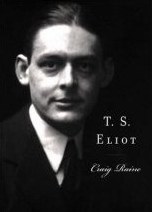
Now, in this brilliant exploration of T.S. Eliot's work, prize-winning poet Craig Raine reveals that, on the contrary, Eliot's poetry (and drama and criticism) can be seen as a unified and coherent body of work. Indeed, despite its manifest originality, its radical experimentation, and its dazzling formal variety, his verse yields meaning just as surely as other more conventional poetry. Raine argues that an implicit controlling theme--the buried life, or the failure of feeling--unfolds in surprisingly varied ways throughout Eliot's work. But alongside Eliot's desire "to live with all intensity" was also a distrust of "violent emotion for its own sake." Raine illuminates this paradoxical Eliot--an exacting anti-romantic realist, skeptical of the emotions, yet incessantly troubled by the fear of emotional failure--through close readings of such poems as "The Love Song of J Alfred Prufrock," "Gerontion," The Hollow Men, Ash Wednesday, and many others. The heart of the book contains extended analyses of Eliot's two master works--The Waste Land and Four Quartets. Raine also examines Eliot's criticism--including his coinage of such key literary terms as the objective correlative, dissociation of sensibility, the auditory imagination--and he concludes with a convincing refutation of charges that Eliot was an anti-Semite.
Here then is a volume absolutely indispensable for all admirers of T.S. Eliot and, in fact, for everyone who loves modern literature.
作者简介
The winner of the Nobel Prize for Literature, the twentieth century's most famous poet and its most influential literary arbiter, T.S. Eliot has long been thought to be an obscure and difficult poet--forbiddingly learned, maddeningly enigmatic. Now, in this brilliant exploration of T.S. Eliot's work, prize-winning poet Craig Raine reveals that, on the contrary, Eliot's poetry (and drama and criticism) can be seen as a unified and coherent body of work. Indeed, despite its manifest originality, its radical experimentation, and its dazzling formal variety, his verse yields meaning just as surely as other more conventional poetry. Raine argues that an implicit controlling theme--the buried life, or the failure of feeling--unfolds in surprisingly varied ways throughout Eliot's work. But alongside Eliot's desire "to live with all intensity" was also a distrust of "violent emotion for its own sake." Raine illuminates this paradoxical Eliot--an exacting anti-romantic realist, skeptical of the emotions, yet incessantly troubled by the fear of emotional failure--through close readings of such poems as "The Love Song of J Alfred Prufrock," "Gerontion," The Hollow Men, Ash Wednesday, and many others. The heart of the book contains extended analyses of Eliot's two master works--The Waste Land and Four Quartets. Raine also examines Eliot's criticism--including his coinage of such key literary terms as the objective correlative, dissociation of sensibility, the auditory imagination--and he concludes with a convincing refutation of charges that Eliot was an anti-Semite. Here then is a volume absolutely indispensable for all admirers of T.S. Eliot and, in fact, for everyone who loves modern literature.
目录信息
Preface Introduction: Eliot and the Buried Life
Chapter 1: The Failure to Live
Chapter 2: Eliot as Classicist
Chapter 3: The Waste Land
Chapter 4: Four Quartets
Chapter 5: The Drama
Chapter 6: The Criticism
Appendix 1: Eliot and Anti-Semitism
Appendix 2: Two Free Translations by Craig Raine of 'Lune de Miel' and 'Dans le Restaurant'
Appendix 3: An Eliot Chronology Notes Index
· · · · · · (收起)
读后感
用户评价
我必须坦诚,这本书的阅读门槛相当高,它不欢迎那些抱着消遣目的的读者。它里面充斥着各种典故、宗教符号以及哲学隐喻,如果不做一番功课,很多层面的旨意恐怕会像雾里看花。但有趣的是,即使你没有完全解读出每一个典故的精确出处,这本书的力量依然强大。它用一种近乎仪式感的方式,构建了一种氛围——一种关于衰败、关于精神漂泊的宏大悲剧氛围。那种感觉,就像是站在一个巨大的教堂里,穹顶高耸入云,你感到自身的渺小,但同时又被这种结构性的美学力量所包围。作者对人类灵魂深处那种无法言喻的焦灼状态的描摹,精准得令人心痛。他没有试图去安慰读者,而是提供了一个共鸣的空间,让你知道,在这片广袤的、似乎充满荒谬的世界中,你的困惑并非孤例,而是人类共同的宿命。
这部作品,初读之下,便被其深邃的意象和近乎哲学的沉思所攫住。它不像那些轻易就能被囫囵吞枣的书籍,每一页都需要你停下来,反复咀嚼那些看似寻常却又暗藏玄机的文字。我尤其欣赏作者在构建世界观时那种不动声色的功力,他似乎不急于向你展示一个宏大的叙事,而是像一个耐心的园丁,在你脚边,慢慢地揭开一片片覆土,让你自己去发现隐藏在泥土之下的根系与秘密。那种感觉很奇妙,就好像你正在进行一次漫长的、几乎是徒步的朝圣之旅,沿途的风景并非惊心动魄的奇观,而是无数细微之处累积而成的庄严与肃穆。它迫使你重新审视自己习以为常的感知方式,那些日常生活中被我们视为理所当然的逻辑和时间观念,在这里都被打碎、重塑,变成了一种更贴近生命本质的、流动的、充满象征意义的存在。对于那些习惯了快餐式阅读的读者来说,这或许会是一场痛苦的考验,因为它要求你投入的不仅仅是时间,更是心神。但坚持下去的回报是巨大的,它不是提供一个答案,而是教给你一套提问的艺术。
相较于那些旨在提供清晰指导或明确情感宣泄的作品,这部书更像是一面打磨得极其光滑的黑曜石镜子。它反射出来的并非你的外在形象,而是你内心的结构和那些潜意识里的阴影。它对语言的运用,达到了拆解和重建的目的——词语不再是固定的指代工具,而成为了可以被重组、被赋予新的情感重量的砖块。我尤其欣赏作者处理“沉默”的方式。在如此密集的文字堆砌之下,那些没有被说出口的部分,那些留白的空隙,反而比任何华丽的辞藻都更有力量。它们像巨大的、无声的叹息,弥漫在文本的每一个角落。这本书需要你投入极大的专注力去“聆听”那些文字背后的回响,它不是让你带着明确的目的去寻找什么,而是让你允许自己被它所引领,体验一场彻底的智识与情感的洗礼。读完之后,世界似乎没有变得更简单,但你的观察世界的视角无疑变得更加复杂和丰富了。
我得承认,一开始翻开这本书时,我有些被其叙事的跳跃性弄得措手不及。它不像那些线性的故事,有明确的开端、发展和高潮。相反,它更像是一系列精美但顺序错乱的梦境碎片,彼此之间由某种难以言喻的、潜意识的逻辑联系在一起。这需要读者具备极大的耐心,去适应这种非传统的节奏。我常常需要合上书本,点上一支烟,站在窗边,让那些古老而又新颖的意象在我脑海中碰撞、融合。那种体验是极其个人化的,我感觉自己不是在阅读作者写下的文字,而是在解析一段对我而言至关重要的、尚未被完全理解的内心独白。作者对语言的掌控达到了出神入化的地步,他能用最精确、最不加修饰的词语,勾勒出最晦涩难懂的人类情感状态,那种苍凉和疏离感,简直能穿透纸面,直抵人心的最深处。它不是为了娱乐大众而存在,它更像是一座知识和情感的迷宫,你必须亲自迷失其中,才能找到属于自己的出口。
这本书最让我震撼的,是它处理“时间”和“永恒”的方式。很多作品只是把时间当作背景,但在这里,时间本身就是角色,它在膨胀、扭曲,甚至在某些瞬间彻底停滞。作者似乎对历史的沉重感有着一种近乎病态的迷恋,他不断地将遥远的过去、当下琐碎的瞬间,以及对未来模糊的预感,搅拌在一起,形成一种令人眩晕的、非线性的时间感。阅读过程中,我常常会产生一种强烈的“既视感”,仿佛自己正站在一片荒芜的废墟上,耳边却回荡着数个世纪前人们的低语。这不仅仅是文学技巧,更像是一种对人类文明局限性的深刻洞察——我们总是在重复过去的错误,却又在自我欺骗中期待着某种救赎。这本书没有提供廉价的希望,它的光芒是冷峻的、理性的,像冬日里透过冰层折射出的微弱日光,它照亮了现实的骨感,却要求你以更坚韧的姿态去面对。