具体描述
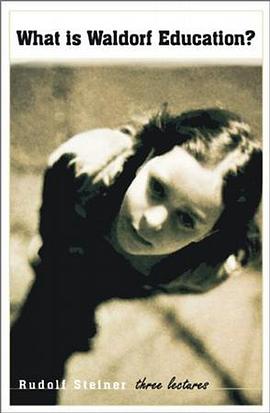
Waldorf Education: Nurturing the Whole Child for a Meaningful Life Imagine a classroom where chalk dust dances in the sunlight, where children learn through stories, songs, and hands-on activities, and where the focus is not just on academic achievement, but on cultivating a deep sense of wonder, creativity, and social responsibility. This is the essence of Waldorf education, a unique pedagogical approach that has been enriching the lives of children for over a century. At its core, Waldorf education, also known as Steiner education, is founded on the understanding of child development as a series of distinct stages, each with its own unique needs and capacities. Developed by the Austrian philosopher and educator Rudolf Steiner, this approach seeks to educate the whole child—head, heart, and hands—preparing them not merely for examinations, but for a fulfilling and meaningful life. This holistic philosophy permeates every aspect of the Waldorf curriculum, from the artistic integration of subjects to the emphasis on experiential learning and the nurturing of individual potential. One of the most distinctive features of Waldorf education is its integrated, arts-based curriculum. Rather than teaching subjects in isolation, Waldorf schools weave artistic activities into every area of learning. In the early years, a rich tapestry of storytelling, music, movement, and practical arts forms the foundation for learning. Children might learn about the solar system through a dramatic retelling of Greek myths, or explore the principles of geometry through the creation of intricate patterns and designs. This artistic immersion not only makes learning more engaging and memorable but also stimulates imagination and fosters a deeper understanding of the subject matter. It’s about engaging multiple senses and developing a visceral connection to the material, moving beyond rote memorization to a more profound, internalized knowledge. As children progress through the grades, the curriculum gradually deepens and broadens, always with the same emphasis on creative engagement. History is brought to life through epic narratives and dramatic reenactments. Science is explored through observation, experimentation, and the creation of artistic representations of natural phenomena. Mathematics is often introduced through rhythm, music, and practical applications. Even subjects like language arts are infused with poetry, drama, and storytelling. This approach recognizes that the imagination is a powerful tool for learning and that children learn best when they are actively involved and inspired. The teacher acts as a guide, sparking curiosity and fostering a love of learning that extends far beyond the classroom. Beyond the integrated curriculum, Waldorf education places a significant emphasis on the developmental stages of the child. Steiner identified three distinct seven-year cycles in childhood, each with its own characteristics and learning needs. The first seven years, the “Will-Impulse” stage, are characterized by imitation, play, and sensory exploration. In Waldorf kindergartens, the environment is designed to be warm, home-like, and rich in natural materials. Children learn through imitation of the teacher and their peers, through imaginative play, and through engaging in practical activities like baking, gardening, and simple crafts. The emphasis is on free play, where children can direct their own learning and develop their social skills and inner capabilities. The pace is unhurried, allowing for deep engagement and the natural unfolding of a child’s will and independence. The second seven-year cycle, from approximately ages seven to fourteen, is the “Feeling-Impulse” stage. This is a time when children’s imaginations are vibrant and their capacity for wonder is at its peak. Waldorf main lessons in these years are presented through storytelling, artistic representation, and narrative. The teacher, seen as a figure of authority and inspiration, leads the children on a journey through history, mythology, geography, and the sciences. Music, movement, and visual arts continue to be integral, helping children to connect with the emotional and imaginative qualities of each subject. The goal is to cultivate a sense of beauty, truth, and goodness, fostering empathy and a developing inner moral compass. The third seven-year cycle, from around fourteen to twenty-one, is the “Thinking-Impulse” stage. Adolescents are developing their capacity for independent, analytical thought and a growing awareness of the world around them. The curriculum in these years becomes more intellectual and abstract, encouraging critical thinking, research, and the exploration of complex ideas. Subjects like advanced mathematics, physics, literature, and philosophy are introduced, and students are encouraged to form their own judgments and develop their own perspectives. The emphasis shifts towards developing a well-reasoned and independent mind, preparing them for higher education and active participation in society. Another cornerstone of Waldorf education is the importance of rhythm and routine. The daily, weekly, and yearly rhythms provide a sense of security and predictability, allowing children to feel safe and grounded. The school day often begins with a greeting circle, followed by a main lesson that focuses on a particular subject for several weeks, allowing for in-depth exploration. Practical activities, art, music, and movement are interspersed throughout the day, creating a balanced and engaging experience. Seasonal festivals and celebrations are an integral part of the Waldorf calendar, connecting children to the natural world and fostering a sense of community. This deliberate structure supports the child’s developing capacities and creates a predictable framework for learning and growth. Practical skills and handwork are also highly valued in Waldorf education. From knitting and sewing in the early grades to woodworking and metalworking in the upper school, children develop dexterity, problem-solving skills, and a sense of accomplishment through hands-on work. These activities not only cultivate fine motor skills but also connect children to the material world and teach them the value of craftsmanship and perseverance. The ability to create with one's hands fosters a sense of agency and a deeper appreciation for the tangible aspects of life. The role of the teacher is also distinct in Waldorf education. Waldorf teachers are not merely instructors but are seen as guides and mentors who work with a class for many years, fostering deep relationships and understanding the individual needs of each child. This continuity allows teachers to observe and support a child's growth across developmental stages, building trust and creating a supportive learning environment. The teacher's own artistic and spiritual development is also considered crucial, as they strive to bring their own inner vitality and inspiration to the classroom. Furthermore, Waldorf education emphasizes a connection to nature. Outdoor play, gardening, and the use of natural materials in the classroom are integral to the Waldorf experience. This immersion in the natural world fosters an appreciation for the environment, encourages sensory development, and provides a rich source of inspiration for learning. Observing the changing seasons, caring for plants, and understanding the interconnectedness of living things are all vital components of a Waldorf education. In its entirety, Waldorf education offers a powerful alternative to conventional schooling. It is an approach that recognizes the unique journey of each child, nurturing their innate capacities for creativity, critical thinking, and social responsibility. By focusing on the whole child—their intellectual, emotional, and physical development—Waldorf education aims to cultivate individuals who are not only academically capable but also compassionate, resilient, and prepared to contribute meaningfully to the world. It is an education that seeks to awaken the child's spirit, ignite their curiosity, and equip them with the tools to navigate the complexities of life with wisdom and purpose. It’s an invitation to experience learning as a joyful and transformative journey, where every child has the opportunity to blossom into their fullest potential.