
具体描述
<DIV>
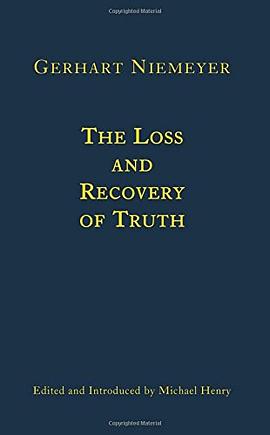
That the United States is currently in the midst of a serious crisis, even an ideological civil war, which is part of the general and prolonged crisis of Western civilization is obvious to any thoughtful observer. One of the most perceptive observers of the development of this crisis was Gerhart Niemeyer. As a fugitive from Nazi Germany, a devout Christian, and a political theorist who had mastered the philosophical tradition and the Communist worldview, he was particularly well equipped to discern the ways in which the various modern ideologies insidiously erode the substance of truth and order in contemporary society and to seek remedies in the return to the ontological and spiritual roots of order in the Western tradition.
The writings collected in this volume, many of which were previously unpublished, are chosen from Gerhart Niemeyer’s essays, conference talks, and letters. The first part, intended to introduce the reader to Niemeyer on a more personal level, includes an unpublished essay describing his experiences in Nazi Germany and in the America that he encountered on his arrival in 1937. Several letters and other short works provide a sense of his character and his deeply Christian view of human life, both of which were essential to his grasp of truth.
The second part, “The Loss of Truth,” consists of thirty-seven essays that focus on the destructive effects of ideologies and other manifestations of disorder in the modern world. Several essays provide a sampling of his expert analysis of Communism and the ideological world-view of the American Left, while others discuss the spiritually stifling effects of the modern bureaucratic state and the ideological disorders that have crept into contemporary culture and the understanding of Christianity. Many of these essays are taken from Niemeyer’s National Review column “Days and Works.”
The character of Niemeyer’s search for “The Recovery of Truth” appears in the subdivision of the thirty-four essays of the third part under the topics of political theory, education, Conservatism, and Christian faith. Although these essays also consider the loss of truth, they are concerned primarily with the quest for its recovery through faith, divine grace, and a clear-eyed understanding of reality. This section begins with his 1950 work “A Reappraisal of the Doctrine of Free Speech” in which he lucidly analyzes the pitfalls of free speech in an ideological age. Among the other essays included here are works that attest to Niemeyer’s concern for a spiritual renewal in education and his profound respect and admiration for Aleksandr Solzhenitsyn, Edmund Burke, Russell Kirk, and, perhaps above all, St. Augustine.
The book includes a bibliography of Niemeyer’s previously published books, pamphlets, essays, and reviews.
</P></DIV>
作者简介
目录信息
读后感
用户评价
这本厚重的文集,初翻时便觉一股扑面而来的历史尘埃感。作者似乎穷尽了毕生心力,试图在那些被时间磨损的角落里,重新拾起那些被遗忘的“实证”。他没有急于给出一个宏大的哲学定论,反而沉浸于对具体事件、微小文物的考据之中,仿佛每一个脚注都隐藏着一个等待被揭开的谜团。阅读的过程与其说是吸收知识,不如说是一场缓慢的考古挖掘。我特别欣赏其中关于“记忆偏差”的论述,作者极其细致地剖析了官方叙事是如何一步步将复杂性简化为便于传播的简单口号,而真正的“真相”往往就藏在那些被集体选择性遗忘的灰色地带。这种对“过程”的执着,使得全书的论证链条异常坚固,即使你不完全同意他的某些结论,也会被他严谨的治学态度所折服。它不是一本轻松的读物,需要读者投入极大的耐心和专注力,但最终的回报是,你对“什么是真实”这个问题,会产生更为深刻、也更为痛苦的理解。那种被精心构建的确定感一旦瓦解,剩下的就是对信息洪流中立足点的重新审视。
这本作品的独特之处在于其强烈的“文学性”与“史学性”的融合。它不像一本刻板的学术专著,反而更像是一部用散文写就的编年史,充满了对时间流逝的忧郁感慨。作者似乎对“瞬间的不可重复性”怀有一种近乎宗教般的敬畏。书中那些关于“瞬间性”和“永恒性”的辩证,写得尤其动人,那些描述被遗忘的仪式、消散的群体记忆的段落,读起来既有一种古老的韵味,又带有现代人的疏离感。我特别喜欢他处理人物和事件时所展现出的克制与尊重,他似乎不愿意去扮演审判者的角色,而是甘愿做一名忠实的记录者,记录下那些在历史的巨浪中无声沉没的细节。这本书读完后,带给我的不是一种清晰的答案,而是一种更深层次的“敬畏感”——对历史的复杂、对人性的局限,以及对每一个流逝瞬间的珍惜。它更像是对我们集体无意识的一种温柔的提醒。
这是一本非常“沉静”的书,但其“沉静”的外表下,涌动着一股强大的批判暗流。作者的笔触非常具有画面感,他擅长用一些看似不经意的历史碎片,拼凑出一个关于“失落”的宏大图景。读起来,你会感觉自己仿佛是进入了一个被遗忘的档案馆,空气中弥漫着旧纸张和灰尘的味道。他并没有过多使用激烈的言辞去控诉,而是通过展现“缺失”本身——那些本该存在却不翼而飞的证据、那些被截断的对话——来制造一种深沉的失落感。这种叙事策略非常高明,它迫使读者主动去填补空白,而不是被动接受结论。整本书的节奏把握得极好,时而缓慢地沉思,时而突然加速,抛出一个令人心悸的观察点。对于那些喜欢在阅读中与作者进行深度智力对话的读者来说,这本书提供了一个绝佳的场所,一个可以安静地思考“什么被我们抛弃了”的私密空间。
读完这本书,我的第一感觉是:这简直是一次精神上的马拉松。它的文字密度高得惊人,句子结构复杂,常常需要我回溯好几遍才能完全捕捉到作者那层层递进的逻辑推演。它探讨的不是那种黑白分明的道德困境,而是那种植根于社会结构深处的认知错位。书中对“共识的形成”进行了近乎解剖学的分析,它揭示了社会是如何通过重复、隔离和情绪驱动,将一个有争议的观点塑造成不容置疑的“事实”。这种论述风格极其冷静、抽离,仿佛作者站在一个极高冷的卫星轨道上俯瞰人类集体的自我欺骗。我尤其被其中关于“符号学陷阱”的章节所震撼,作者展示了语言是如何被异化,从传达意义的工具,变成了构建壁垒的武器。这本书无疑是写给那些厌倦了表面说教、渴望理解事物底层运行机制的读者。它不提供安慰,只提供锋利的视角,让你清晰地看到那些被粉饰太平的裂痕。
说实话,这本书的阅读体验有点像是在解一个极其精密的机械谜题。作者的行文风格非常偏向于分析哲学,逻辑链条密不透风,几乎不留任何情绪化的空隙。他试图建立一套全新的认识论框架,来对抗当前社会中泛滥的、基于直觉和情绪的判断标准。书中大量引用了晦涩的早期文献和已经被淘汰的科学模型,这要求读者必须具备相当的学术背景,否则很容易在术语和引文的迷宫中迷失方向。然而,一旦你跟上了作者的思维速度,你会发现那种豁然开朗的快感是无与伦比的。他不是在讨论“好”与“坏”,而是在解构“判断”是如何被建构起来的。对于那些对知识体系的底层逻辑感兴趣,并且不畏惧挑战传统思维定势的读者,这本书无疑是一部里程碑式的作品,它逼迫你重新审视自己知识结构中最稳固的基石。