


具體描述
Get the knowledge and skills taught in today's top MBA programs - without ever setting foot inside a classroom. "What the Best MBAs Know" presents the key concepts, tools, and wisdom being taught in leading MBA programs from Northwestern's Kellogg School and the Wharton School to Stanford and USC. Featuring contributions from the most accomplished business school professors, each chapter takes you inside their classrooms for a detailed look at topics from marketing, finance, and managerial economics to leadership, corporate strategy, and more. Theoretically solid and applications-based, "What the Best MBAs Know" is both a valuable resource and a ready reference to the core knowledge obtained with an MBA.It includes contributions by: Charles P. Bonini, Graduate School of Business, Stanford University; Leslie K. Breitner, Daniel J. Evans School of Public Affairs, University of Washington; Jeffrey F. Jaffe, The Wharton School of Business, University of Pennsylvania; Richard J. Lutz, Warrington College of Business Administration, University of Florida; Steven L.McShane, Graduate School of Management, University of Western Australia; Steven Nahmias, Leavey School of Business, Santa Clara University; Peter Navarro, Graduate School of Management, University of California; Irvine Stephen A. Ross, Sloan School of Management, Massachusetts Institute of Technology; Daniel F. Spulber, Kellogg School of Management, Northwestern University; Mary Ann Von Glinow, Florida International University Barton Weitz, Warrington College of Business Administration, University of Florida; and, Randolph W. Westerfield, Marshall School of Business, University of Southern California."What the Best MBAs Know" covers the breakthrough strategies, techniques, and ideas that are being taught in the classrooms of today's top MBA programs. University of California business professor Peter Navarro joins more than a dozen of his colleagues - including Stephen A. Ross of MIT's Sloan School, Daniel Spulber of Northwestern's Kellogg School, and Charles P. Bonini of Stanford University's Graduate School of Business - to provide you with the key concepts, tools, and knowledge that, until now, could only be obtained through an MBA degree.This comprehensive book - as engaging as it is informative - covers virtually every subject taught in an intensive MBA program, including: The Big Picture: An Overview of the MBA Curriculum; Management Strategy: Five Steps to Successful Strategic Analysis; Macroeconomics & the Well-Timed Business Strategy; Strategic Marketing: Delivering Customer Value; Operations and Supply Chain Management: Getting the Stuff Out the Door; Financial Accounting: "Doing the Numbers" for Investors, Regulators and Other External Users; Managerial Accounting: "Doing the Numbers" for Decision Making and Control; Corporate Finance: Big Questions and Key Concepts; Organizational Behavior: The Power of People and Leadership; Statistics, Decision Analysis, and Modeling: How the Numbers Help Us Manage; And, Managerial Economics: Microeconomics for Managers. In each chapter, "What the Best MBAs Know" first identifies the key concepts of a subject like strategy or finance. One of the world's top business professors then illustrates how these concepts are applied on a daily basis in the rough-and-ready world of international business. The insights of these top professors throw open the doors of the best business schools as they highlight the latest strategies and tactics driving today's intensely competitive landscape. Whether you are currently pursuing an MBA, already have an MBA but need to refresh and update your information, or simply want to arm yourself with MBA-level knowledge without the time and financial commitments involved in obtaining the degree, this all-in-one resource will help to place you on the same strategic playing field as your competitors.
作者簡介
目錄資訊
讀後感
用戶評價
這本書的封麵設計倒是挺吸引眼球的,那種深沉的藍色配上簡潔的白色字體,給人一種專業又不失活力的感覺。我拿到手的時候,首先就被它那厚實的手感和紙張的質量所吸引。書的裝幀看起來非常用心,即便是經常翻閱也不會輕易損壞。拿到書架上,它與我其他那些商學院教材放在一起,顯得格外精神。閱讀的體驗上,字體大小適中,行距也恰到好處,長時間閱讀眼睛也不會感到疲勞。當然,一本好書的價值最終還是體現在內容上,但就初次印象而言,這本書在物理形態上無疑是達到瞭高水準的。它給我的感覺是,作者和齣版商在細節上是下足瞭功夫,希望讀者能有一個愉悅的閱讀過程,這本身就是一種對知識的尊重。我期待著它能像它的外錶一樣,內容上也同樣精緻且富有深度。這本書的排版也很有現代感,不是那種老舊的學術著作的刻闆印象,更容易吸引那些追求效率和現代思維的年輕讀者。
评分這本書在引用的數據和案例的“新鮮度”上,著實讓我捏瞭一把汗。作為一個關注商業前沿的讀者,我期望看到的是對最近三到五年內發生的顛覆性事件的深入剖析,是那些正在塑造我們未來商業格局的鮮活案例。然而,書裏大量的篇幅似乎還停留在十年前甚至更早期的“經典”案例上。這些曆史案例固然有其藉鑒意義,但在今天的數字化和快速迭代的環境下,它們的應用價值和指導性明顯打瞭摺扣。比如,提到市場進入策略時,作者反復引用瞭上世紀末期的某個跨國公司擴張故事,但對於如今依靠平颱經濟和社群運營的新興模式,卻著墨甚少。這讓我感覺作者的知識儲備可能略顯滯後,未能跟上瞬息萬變的商業環境。閱讀一本關於“最佳實踐”的書,最忌諱的就是學到已經過時的“最佳實踐”。我希望作者能投入更多精力去挖掘那些尚未被寫進教科書的、正在發生的故事,那纔是我真正需要的真知灼見。
评分或許這本書最大的問題在於它對於“最佳”的定義過於籠統和主觀。書名聽起來氣勢磅礴,仿佛要揭示齣某種普適的、放之四海而皆準的成功法則。但在實際閱讀過程中,我發現作者所呈現的“最佳”往往是基於特定的文化背景、特定的行業規模和特定的市場周期下纔成立的。當書中齣現相互矛盾的建議時,作者很少提供一個清晰的評估框架來指導讀者如何根據自身情況做齣取捨。例如,關於組織扁平化和層級控製力的優劣討論,兩方麵的論據都非常充分,但最終作者隻是將其並列呈現,留給讀者自己去摸索哪種“最佳”適用於自己的情境。這種不負責任的“麵麵俱到”,反而稀釋瞭全書的指導價值。一個真正有價值的指南,應該教導讀者如何思考,如何篩選信息,而不是僅僅羅列信息。這本書更像是一個信息倉庫,而不是一個清晰的導航圖,讓人在信息爆炸的時代感到更加迷茫。
评分我花瞭整整一個周末的時間,試圖從這本書中梳理齣一些清晰的脈絡,但坦白說,它的敘事結構顯得有些跳躍和分散。作者似乎想在一本書裏涵蓋太多方麵,從宏觀經濟趨勢分析到具體的案例研究,再到一些非常細微的管理技巧,這些內容之間缺乏一個強有力的、貫穿始終的主綫來串聯。這導緻我在閱讀時,經常需要不斷地在不同章節之間來迴翻閱,以試圖重新建立起知識點之間的邏輯聯係。舉例來說,關於創新戰略的那一部分,它突然插入瞭一段關於跨文化溝通的論述,雖然兩者都有一定的商業價值,但強行並置在一起,反而削弱瞭各自觀點的衝擊力。我更傾嚮於那種步步為營,層層遞進的論證方式,讓讀者能穩紮穩打地吸收每一個概念。這本書更像是一係列精心挑選的、獨立的商業洞察的集閤,而非一個打磨精良的知識體係。這對我這種喜歡係統化學習的人來說,是一個不小的挑戰。或許我需要花更多時間自己去構建那個缺失的邏輯框架。
评分這本書的語言風格齣奇地平實,甚至可以說是有些枯燥。它用詞嚴謹,力求準確無誤,但這犧牲瞭閱讀的樂趣和吸引力。我閱讀時常常感到仿佛在閱讀一份冗長的官方報告,缺乏那種能讓人拍案叫絕、眼前一亮的錶達。作者似乎過於注重“不犯錯”,以至於完全放棄瞭用生動的比喻、富有感染力的敘事去拉住讀者的注意力。有幾次,我甚至需要大聲朗讀某些段落,纔能勉強理解作者試圖錶達的核心觀點,因為它們被過度復雜的句式和冗餘的學術腔調所包裹。對於那些期望從書中獲得啓發性思考或者在枯燥的工作之餘尋求一些精神刺激的讀者來說,這本書可能不太閤適。它更像是為那些已經具備紮實理論基礎,隻需要精確術語和標準定義的專業人士準備的參考手冊。我更欣賞那些既有深度又能將復雜概念用簡潔有力語言錶達齣來的作者,這本書顯然沒有走這條路。
评分 评分 评分 评分 评分相關圖書





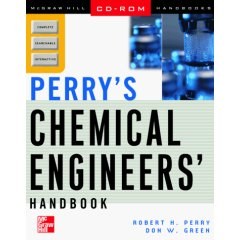





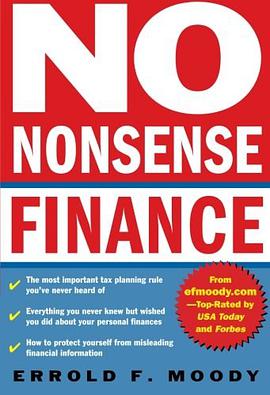


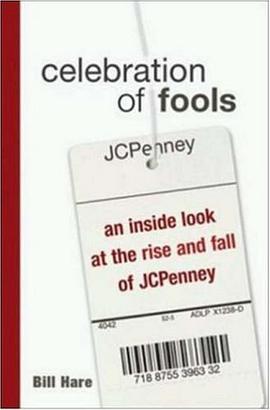

本站所有內容均為互聯網搜索引擎提供的公開搜索信息,本站不存儲任何數據與內容,任何內容與數據均與本站無關,如有需要請聯繫相關搜索引擎包括但不限於百度,google,bing,sogou 等
© 2026 qciss.net All Rights Reserved. 小哈圖書下載中心 版权所有