具体描述
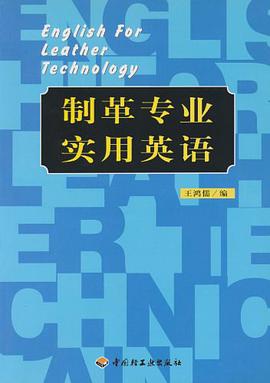
《制革专业实用英语》共有5章,内容包括皮革工业介绍、制革原料皮(组织学、主要化学成分、类型、防腐保藏、缺陷)、从原料皮到蓝湿革的生产工序、从蓝湿革到成品革的生产工序、植鞣革的生产方法、油鞣革的生产方法、醛鞣革的生产方法、结合鞣革的生产方法、几类主要成品革的质量要求、皮革分析检测方法。在各节除基本生产方法和原理外,还介绍了相应的清洁生产方法,如酶浸水、酶浸灰、酶脱毛、硫化钠保毛脱毛、浸灰液循环利用、乳酸镁脱灰、二氧化碳脱灰、脱脂液回收利用、无盐浸酸、高吸收铬鞣、废铬液循环利用、白湿皮工艺、通过式染色机染色、辊涂等。
《皮革工艺英语汇编》 前言 在日益全球化的皮革产业格局中,跨越语言障碍、实现高效沟通已成为企业生存与发展的重要基石。皮革的生产、加工、贸易以及相关的技术研发,都离不开精确、专业的语言表达。然而,长期以来,缺乏一本系统、实用且专为制革从业者量身定制的英语学习用书,成为制约行业人员专业技能提升的一个瓶颈。 《皮革工艺英语汇编》的诞生,旨在弥合这一鸿沟。本书并非一本传统的语言教材,它更像是一本详尽的、涵盖皮革行业各个环节的“语言工具书”,将日常工作中所面临的各类语言需求,以系统化的方式呈现出来。本书的目标读者是所有与皮革产业息息相关的人员,包括但不限于: 一线生产工人与技术人员: 学习理解和使用操作手册、安全规程、设备说明等,提升工作效率与安全性。 质量控制与检验人员: 掌握描述皮革疵点、评估等级、撰写检验报告的专业词汇与句型。 研发与实验室人员: 能够准确表达化学品名称、实验步骤、分析结果,推动技术创新。 采购与销售人员: 学习在国际贸易谈判、客户沟通、产品介绍中使用的商业术语与表达技巧。 管理人员与决策者: 了解行业报告、市场分析、国际标准的专业语汇,做出更明智的决策。 学生与教师: 为皮革工艺专业提供一套权威、实用的英语学习资源,为未来的行业精英打下坚实基础。 本书内容设计遵循“实用至上”的原则,以皮革行业的实际业务流程与技术特点为导向,力求做到: 全面覆盖: 从皮革原料的采购,到鞣制、复鞣、染色、涂饰等核心工艺,再到最终产品的生产与市场营销,以及相关的质量控制、环境保护、安全管理等,本书均有所涉猎。 专业精准: 严格选用皮革行业通用的专业词汇、术语与惯用表达,确保信息的准确性与可靠性。 情境导向: 并非枯燥的单词列表,而是将语言知识融入到实际工作场景中,通过对话、函件、报告示例等形式,帮助读者理解和运用。 系统编排: 内容按照逻辑顺序进行组织,便于读者循序渐进地学习和查阅。 我们深知,语言是连接知识与实践的桥梁。掌握一套扎实的专业英语,不仅能帮助您在工作中游刃有余,更能为您带来更广阔的职业发展空间,让您在全球化的皮革行业中脱颖而出。 《皮革工艺英语汇编》的编写团队由一群在皮革行业拥有丰富实践经验的专家和资深的英语教育者组成。他们将多年的行业洞察与语言教学经验相结合,呕心沥血,精心打造了这本集专业性、实用性、系统性于一体的英语学习宝典。 我们衷心希望,《皮革工艺英语汇编》能成为您在皮革行业职业生涯中的得力助手,助您在知识的海洋中乘风破浪,在专业的世界里更加自信地表达,更有效地沟通,最终实现您事业上的辉煌。 内容概述 《皮革工艺英语汇编》共分为十二章,每一章都聚焦于皮革行业的一个特定领域,并系统地呈现该领域所需的专业英语词汇、短语、句子以及相关的实用文本范例。 第一章:皮革产业概览与术语入门 (Leather Industry Overview and Terminology) 本章首先对全球皮革产业的整体发展现状、产业链构成、主要市场及未来趋势进行概括性介绍,帮助读者建立宏观的行业认知。随后,系统梳理皮革行业最基础、最核心的通用术语,涵盖: 基本皮革概念: hide, skin, leather, raw material, processed leather, finished leather, full grain, top grain, genuine leather, bonded leather 等。 动物种类与皮革来源: cattle hide, sheepskin, goatskin, pigskin, exotic skins (crocodile, ostrich) 等。 皮革的基本结构与性质: grain, flesh, hair, fur, collagen, fiber structure, porosity, tensile strength, tear resistance, flexibility, breathability 等。 行业标准与认证: ISO standards, REACH, LWG (Leather Working Group) certification 等。 第二章:生皮处理与验收 (Raw Hide Handling and Acceptance) 本章着重于生皮从牧场到制革厂的整个处理过程中的语言需求,特别是生皮的接收、检验和初步处理阶段。内容包括: 生皮的获取与运输: sourcing, collection, preservation, salting, curing, brining, flaying, trimming, grading of raw hides。 生皮的质量检验: inspection, defects (flay cuts, blowfly damage, disease marks, growth wrinkles), thickness, area, moisture content, putrefaction, mold。 初步处理: soaking, liming, unhairing, fleshing (pre-fleshing)。 相关商业术语: shipment, bill of lading, certificate of origin, quality certificate, invoice。 第三章:浸灰与脱毛 (Soaking and Unhairing) 详细介绍浸灰(soaking)和脱毛(unhairing)这两个制革过程的关键步骤,以及相关的化学品和操作。 浸灰的目的与过程: rehydration, removal of dirt and blood, swelling of collagen, soaking time, water quality, soaking agents。 脱毛的原理与方法: dehairing, hair removal chemicals (lime, sodium sulfide, sodium hydrosulfide), enzyme dehairing, mechanical dehairing, hair loosening, hair removal efficiency。 浸灰与脱毛过程中的疵点: uneven soaking, incomplete dehairing, hair damage。 第四章:膨胀与软化 (Swelling and Softening) 本章涵盖了浸灰之后,通过一系列处理使皮革纤维膨胀、软化,并去除石灰和部分毛发的过程。 石灰处理(Liming): swelling, fiber opening, pH adjustment, lime, sodium hydroxide, lime diffusion, lime penetration。 脱灰(Unhairing)与肌肉(Fleshing): removal of lime, residual hair, and subcutaneous tissue, fleshing machine, fleshings, shavings。 膨胀与软化: swelling agents, softening agents, enzymatic treatment, enzymatic bating, bating enzymes, bating effect, neutralization。 第五章:鞣制(鞣革) (Tanning) 鞣制是制革的核心环节,本章将深入介绍各种鞣制方法及其相关的专业词汇。 鞣制原理与目的: stabilization of collagen fibers, prevention of putrefaction, making leather durable and resistant to heat and moisture。 铬鞣(Chrome Tanning): basic chromium sulfate, chrome tanning liquor, retanning, chrome exhaustion, chrome recovery, wet white (for chrome-free leather)。 植物鞣(Vegetable Tanning): tannins, plant extracts (oak bark, mimosa, quebracho), tanning pits, drum tanning, pit tanning, prolonged tanning, vegetable tannins in sole leather。 其他鞣制方法: aldehyde tanning, synthetic tanning agents (syntans), oil tanning, combination tanning。 鞣制过程中的控制参数: pH, temperature, time, concentration of tanning agents, movement of the drum。 第六章:复鞣、染色与加脂 (Retanning, Dyeing, and Fatliquoring) 鞣制后,皮革还需要进一步处理以达到所需的物理和外观特性。 复鞣(Retanning): retanning agents (syntans, vegetable tannins, chrome retanning), filling properties, firmness, fullness, grain tightness。 染色(Dyeing): dyes, pigments, dyestuffs, acid dyes, direct dyes, metal-complex dyes, dyeing process, dyeing uniformity, color fastness, shade matching, color correction。 加脂(Fatliquoring): fatliquors, oils, emulsifiers, softening, flexibility, strength, handle, water repellency, fatliquor penetration, fatliquor distribution。 染色与加脂的组合: combined dyeing and fatliquoring。 第七章:剖层、削匀与揉软 (Splitting, Shaving, and Softening) 本章介绍皮革在鞣制后的物理加工过程。 剖层(Splitting): splitting machine, splitting into layers, upper leather splits, sole leather splits, split thickness, split grain, suede splits。 削匀(Shaving): shaving machine, flesh side shaving, grain side shaving, uniform thickness, contour shaving, achieving desired thickness。 揉软(Softening)与打磨(Milling/Tumbling): softening process, milling, tumbling, softening agents, mechanical softening, achieving a soft handle and a creased effect。 第八章:涂饰与整理 (Finishing) 涂饰是赋予皮革最终外观和性能的关键步骤,涉及多种化学品和工艺。 涂饰目的: improving appearance, covering defects, providing protection, enhancing durability, imparting water and stain resistance。 涂饰材料: base coat, top coat, primers, binders, pigments, lacquers, waxes, resins, crosslinking agents。 涂饰工艺: spray coating, roller coating, curtain coating, brush coating, buffing, polishing, embossing, plating, lacquering。 常见涂饰类型: aniline finish, semi-aniline finish, pigmented finish, nubuck, suede, patent leather, patent finish。 涂饰过程中的缺陷: uneven coating, cracking, peeling, streaking, color mismatch。 第九章:皮革质量控制与检验 (Leather Quality Control and Inspection) 本章侧重于皮革生产过程中的质量监测与成品检验。 质量控制体系: in-process control, final inspection, quality assurance, quality management systems。 物理性能测试: tensile strength, tear strength, elongation at break, bursting strength, flexural fatigue resistance, abrasion resistance, water penetration, water vapor transmission rate。 化学性能测试: pH, chrome content, free formaldehyde, azo dyes, heavy metals, restricted substances。 外观与感官评估: grain pattern, surface texture, color, uniformity, softness, handle, odor, visual defects (scratches, stains, holes, wrinkles)。 皮革等级划分(Grading): first grade, second grade, third grade, defects classification, grading criteria。 检验报告撰写: inspection report, test report, certificate of analysis。 第十章:皮革产品生产与应用 (Leather Product Manufacturing and Applications) 本章将视角转移到皮革制成品。 鞋类制造: shoe uppers, insoles, outsoles, lasting, stitching, assembly, footwear types (boots, sandals, dress shoes)。 服装与配饰: leather jackets, pants, skirts, gloves, belts, bags, wallets, luggage, leather care products。 家具与汽车内饰: upholstery leather, furniture, car seats, automotive leather, durability, wear resistance。 皮革的选材与设计: leather types for different applications, thickness requirements, design considerations, cutting patterns。 第十一章:环境、健康与安全 (Environment, Health, and Safety - EHS) 在现代制革业中,EHS是不可忽视的重要环节。 环境保护: wastewater treatment, effluent discharge, air emissions, solid waste management, chemical waste, cleaner production, sustainable leather, eco-friendly tanning。 化学品安全: chemical inventory, material safety data sheets (MSDS/SDS), hazard communication, personal protective equipment (PPE), safe handling of chemicals。 职业健康与安全: workplace safety, machine guarding, noise control, ventilation, risk assessment, accident prevention, fire safety。 法规与合规性: environmental regulations, occupational safety regulations, chemical registration (e.g., REACH, TSCA)。 第十二章:行业交流与商业信函 (Industry Communication and Business Correspondence) 本章提供在国际贸易与合作中常用的语言范例。 询价与报价: request for quotation (RFQ), price quotation, terms of payment, delivery terms (Incoterms), minimum order quantity (MOQ)。 订单与合同: purchase order (PO), sales contract, order confirmation, shipment schedule, quality specifications。 投诉与索赔: complaint letter, claim, dispute resolution, return policy。 产品推介与技术咨询: product brochure, technical data sheet (TDS), technical inquiry, after-sales service。 展会与会议: trade show, exhibition, conference, networking, presentation。 常用缩略语与缩写: common abbreviations in the leather industry。 本书特色 情境化学习: 每个章节都围绕特定的工作场景展开,提供相关的对话、邮件、报告模板等,便于读者在实际工作中应用。 详尽的词汇表: 各章节均附带专业词汇表,包含中英对照及简要释义,方便查阅与记忆。 实用的句型与表达: 针对常见沟通需求,提供大量实用句型与地道表达,帮助读者流利准确地进行交流。 结构清晰,易于查阅: 内容按照逻辑顺序编排,章节划分明确,方便读者根据需要进行针对性学习和快速查阅。 覆盖面广: 涵盖了从原料到成品,从生产到贸易,从技术到管理的各个环节,力求成为一本“一站式”的行业英语学习指南。 《皮革工艺英语汇编》不仅是一本书,更是制革行业从业者提升专业技能、拓展国际视野的强大工具。我们相信,通过本书的学习,您将能够更自信、更专业地与国际同行进行交流,为您的职业生涯开启新的篇章。