具体描述
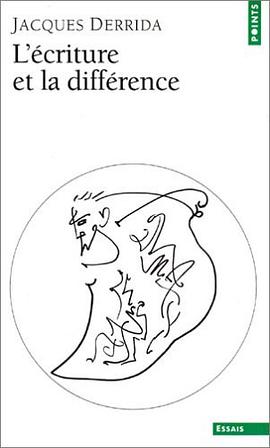
In the three essays that make up this stimulating and often startling book, Jacques Derrida argues against the notion that the basic ideas of psychoanalysis have been thoroughly worked through, argued, and assimilated. The continuing interest in psychoanalysis is here examined in the various "resistances" to analysis--conceived not only as a phenomenon theorized at the heart of psychoanalysis, but as psychoanalysis's resistance to itself, an insusceptibility to analysis that has to do with the structure of analysis itself. Derrida not only shows how the interest of psychoanalysis and psychoanalytic writing can be renewed today, but these essays afford him the opportunity to revisit and reassess a subject he first confronted (in an essay on Freud) in 1966. They also serve to clarify Derrida's thinking about the subjects of the essays--Freud, Lacan, and Foucault--a thinking that, especially with regard to the last two, has been greatly distorted and misunderstood. The first essay, on Freud, is a tour de force of close reading of Freud's texts as philosophical reflection. By means of the fine distinctions Derrida makes in this analytical reading, particularly of "The Interpretation of Dreams, " he opens up the realm of analysis into new and unpredictable forms--such as meeting with an interdiction (when taking an analysis further is "forbidden" by a structural limit). Following the essay that might be dubbed Derrida's "return to Freud," the next is devoted to Lacan, the figure for whom that phrase was something of a slogan. In this essay and the next, on Foucault, Derrida reencounters two thinkers to whom he had earlier devoted important essays, which precipitated stormy discussions and numerous divisions within the intellectual milieus influenced by their writings. In this essay, which skillfully integrates the concept of resistance into larger questions, Derrida asks in effect: What is the origin and nature of the text that constitutes Lacanian psychoanalysis, considering its existence as an archive, as teachings, as seminars, transcripts, quotations, etc.? Derrida's third essay may be called not simply a criticism but an appreciation of Foucault's work: an appreciation not only in the psychological and rhetorical sense, but also in the sense that it elevates Foucault's thought by giving back to it ranges and nuances lost through its reduction by his readers, his own texts, and its formulaic packaging.
作者简介
目录信息
读后感
用户评价
坦白说,这部作品的学术深度令人敬畏,但阅读过程中不时会产生一种强烈的“迷失感”。作者似乎热衷于在不同的理论体系之间搭建桥梁,时而引用结构主义的严谨逻辑,时而又引入后现代的解构视角,使得文本的密度极高,稍有走神,便可能错过一个关键的转折点。我发现自己不得不频繁地查阅注释和相关背景资料,以确保自己没有误解作者对于某个特定历史事件或哲学思潮的引用意图。对于一个对精神分析领域有一定了解的读者来说,这既是挑战,也是馈赠。它提供的不是现成的答案,而是一套极其精密的分析工具箱,每一个工具都沉重而锋利,需要反复摩挲才能真正掌握其使用方法。这种需要主动构建意义的过程,使得这本书的“阅读完成度”高度依赖于读者自身的知识储备和心力投入。
从排版和装帧来看,这本书无疑是为严肃的学术研究者准备的,字体偏小,间距紧凑,似乎在某种程度上就象征了其内容的凝练与复杂。在阅读的后期,我开始关注作者在不同章节之间是如何进行情感和逻辑的调度。他似乎故意将那些最晦涩难懂的部分放置在读者心神略有松懈的时刻,用一种看似不经意的笔触抛出一个足以颠覆前文的论断。这是一种高明的写作技巧,它让阅读本身也变成了一种对“抵抗”的模拟——读者必须持续抵抗来自文本的挑战,抵抗自己想要逃避复杂性的本能冲动。最终读完,我感到了一种深刻的疲惫,但这种疲惫并非源于无聊,而是源于精神上经历了一场极其彻底的“思想运动”,值得我花上更多时间去沉淀和反刍那些被反复强调的、关于人类心灵深层机制的论断。
如果说大多数心理学著作都在试图“治愈”或“解释”,那么这本书给我的感觉则是在“解构”和“重塑”。它很少提供慰藉,反而更像是一种对既有心灵秩序的温柔而坚定的侵蚀。我尤其欣赏作者在处理那些涉及社会政治层面的心理动力学时所展现出的那种清醒的批判力,他似乎在提醒我们,个体的心灵战场,从来都与宏大的历史进程和权力结构密不可分。这种宏大叙事与微观个体经验的交织,使得整本书充满了张力,仿佛能听到旧有范式破碎的声音。它迫使我思考,我们所理解的“自我”的边界,到底在哪里被设定和限制了?这种思考是令人不安的,但也是极其必要的,因为它揭示了许多我们习以为常的心理机制背后的社会学根源。
这部厚重的著作初捧在手时,那种纸张的质地和油墨的气息,就已经预示着它绝非等闲之辈。我带着一种近乎朝圣般的心情,翻开了扉页,期待着一场深入精神世界腹地的探险。然而,阅读的过程更像是一次在迷宫中摸索,需要极大的耐心去跟随作者那蜿蜒曲折的思路。它不像那些通俗易懂的心理学入门读物,而是直接将读者抛入了理论的深海,充满了高度抽象的概念和极其细致的辩证分析。我花了很长时间去消化开篇几章关于“抵抗”的界定,作者似乎总是在试图超越弗洛伊德的经典框架,去挖掘那些更隐蔽、更具社会结构性的阻力。那些关于潜意识如何被文化和权力所塑造的论述,每次阅读都像是在剥开洋葱的又一层,每层都带着一丝辛辣,但最终指向的内核却又如此耐人寻味,让人不禁思考:我们自以为的“自由意志”,究竟在多大程度上是被我们自身建构的“障碍”所限囿?这不仅仅是阅读,更像是一场持续的智力搏击。
阅读体验上,这本书的节奏感非常奇特,它不是线性的叙事,更像是一系列相互呼应的论证片段,时而高亢激昂,时而沉静内敛。有那么几段,作者的笔触突然变得极其精准和锐利,如同手术刀般剖析着现代社会中个体与集体无意识之间的张力,让我不得不放下书本,在房间里踱步许久,试图将那些复杂的术语和案例对应到我自身的经验中去。更让我印象深刻的是,作者似乎不太在乎读者的“舒适度”,他毫不留情地挑战着那些根深蒂固的心理学教条,要求读者必须用一种全新的、甚至是带有颠覆性的视角去看待“病态”与“常态”的边界。这种强烈的智识上的“不适感”,恰恰是这部作品的魅力所在——它迫使我走出我的认知舒适区,去面对那些被主流话语有意无意回避的阴影地带。每一次合上书页,我都感觉自己对世界的理解又被重新校准了一次。