
具体描述
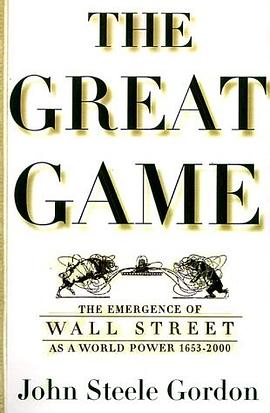
For more than two hundred years, fortunes have been made -- and lost -- on Wall Street by men and women playing the great game of capitalism. Many have repeated the mistakes of their forebears, and some have enjoyed similar triumphs. In this gripping and informative book, John Steele Gordon tells history lovers, armchair investors, financiers, and day traders alike everything they need to know about Wall Street's wild ride to power.
Wall Street began as the northern line of defense for a wilderness trading post, at a time when money was limited to gold, silver, and Indian wampum. Today, Wall Street is a metaphor for the global financial market, and money exists mostly on computer screens. More than three million Americans are now employed by the securities industry, and Wall Street wields the sort of power once reserved to nation states. How did an unimpressive little byway become so formidable? In this richly textured narrative history, John Steele Gordon brings to life the remarkable cast of bankers and brokers, visionaries and crooks who made it happen.
Nature gave New York one of the world's great harbors, and the Dutch founders gave the city its enduring love of making money. In pursuit of that love, New Yorkers began meeting under the trees and lampposts of Wall Street to buy and sell securities. As the country expanded westward, canal and railroad companies came to Wall Street looking for capital. Later still, manufacturers came as well, and, by the beginning of the twentieth century, the United States had the mightiest national economy in the world. No small part of that development was due to Wall Street, which, time and again, has demonstrated how Adam Smith's invisible hand turns the pursuit of economic self-interest into common wealth.
Gordon tells the fascinating stories of the key players of the Great Game, including Jacob Little, the first great Wall Street plunger; Commodore Vanderbilt, the Street's greatest tactician; Hetty Green, the "richest woman in the world," who was terrified of being poor; J. P. Morgan, the country's most important banker, who twice saved it from economic disaster when the government couldn't; Richard Whitney, the president of the New York Stock Exchange, who was a thief; and Charles E. Merrill, who brought Wall Street to Main Street and transformed both in the process. From Alexander Hamilton to Michael Milken, the history of Wall Street is a history of risk, courage, avarice, patriotism, power, genius, and even, occasionally, remarkable stupidity.
Wall Street has finally found a biographer worthy of her extraordinary story in acclaimed business historian John Steele Gordon. As more and more Americans invest their money in the stock market, The Great Game is a lively and absorbing account of how Wall Street became a crucial part of all our lives.
作者简介
John Steele Gordon was born in New York City in 1944 into a family long associated with the city and its financial community. Both his grandfathers held seats on the New York Stock Exchange. He was educated at Millbrook School and Vanderbilt University, graduating with a B.A. in history in 1966.
After college he worked as a production editor for Harper & Row (now HarperCollins) for six years before leaving to travel, driving a Land-Rover from New York to Tierra del Fuego, a nine-month journey of 39,000 miles.
After returning to New York he served on the staffs of Congressmen Herman Badillo and Robert Garcia. He has been a full-time writer for the last twenty years. His second book, The Scarlet Woman of Wall Street, a history of Wall Street in the 1860's, was published in 1988. His third book, Hamilton's Blessing: the Extraordinary Life and Times of Our National Debt, was published in 1997. The Great Game: The Emergence of Wall Street as a World Power, 1653-2000, was published by Scribner, a Simon and Schuster imprint, in November, 1999. A two-hour special based on The Great Game aired on CNBC on April 24th, 2000. His latest book, a collection of his columns from American Heritage magazine, entitled The Business of America, was published in July, 2001, by Walker. His history of the laying of the Atlantic Cable, A Thread Across the Ocean, was published in June, 2002. His next book, to be published by HarperCollins, is a history of the American economy.
He specializes in business and financial history. He has had articles published in, among others, Forbes, Forbes ASAP, Worth, the New York Times and The Wall Street Journal Op-Ed pages, the Washington Post's Book World and Outlook. He is a contributing editor at American Heritage, where he has written the "Business of America" column since 1989.
In 1991 he traveled to Europe, Africa, North and South America, and Japan with the photographer Bruce Davidson for Schlumberger, Ltd., to create a photo essay called "Schlumberger People," for the company's annual report.
In 1992 he was the co-writer, with Timothy C. Forbes and Steve Forbes, of Happily Ever After?, a video produced by Forbes in honor of the seventy-fifth anniversary of the magazine.
He is a frequent commentator on Marketplace, the daily Public Radio business-news program heard on more than two hundred stations throughout the country. He has appeared on numerous other radio and television shows, including New York: A Documentary Film by Ric Burns, Business Center and Squawk Box on CNBC, and The News Hour with Jim Lehrer on PBS. He was a guest in 2001 on a live, two-hour edition of Booknotes with Brian Lamb on C-SPAN.
目录信息
1. "A Cloacina of All the Depravities of Human Nature" 21
2. "A Line of Separation between Honest Men & Knaves" 35
3. "That Tongue That Is Licking Up the Cream of Commerce" 53
4. "What Can Be the End of All This but Another General Collapse?" 71
5. "Vanity Fair Was No Longer a Dream" 91
6. "Who ... Could Blame Them for Doing What They Pleased?" 109
7. "The Bulls, Triumphant, Faced Their Foes" 127
8. "All You Have to Do Is Buy Cheap and Sell Dear" 147
9. "Have You Anything to Suggest?" 163
10. "Why Don't You Tell Them What to Do, Mr. Morgan?" 181
11. "Does This Happen Often?" 197
12. "The Stock Exchange Can Do Anything" 213
13. "Not Dick Whitney!" 231
14. "Wall Street Is ... Main Street" 249
15. "It's Time We Put In a Good Word for Greed" 267
Epilogue 285
Notes 297
Bibliography 305
Index 309
· · · · · · (收起)
读后感
该书从1653年荷兰人为防御英国人的进攻环绕纽约城修墙一路写到99年互联网泡沫破灭。而互联网泡沫的破灭,对于今天的互联网金融来讲,只是一个发瑞而已。 互联网泡沫将要破灭那段时间,网易的财务出现巨大问题,一度闹到要从纳斯达克退市,后来的CEO孙德棣力挽狂澜,却也在38岁...
这本书对于历史的描述还算中规中矩,有些故事也挺精彩的。但我最初希望能从这本书中找到华尔街是如何发展自身,通过各方不断博弈,最终形成现有的成熟制度的过程。但书中对于故事的描述比较多,对于真正博弈的分析不足,比较遗憾吧。
开宗明义,这本书按照豆瓣的标准属于“力荐”,按照我个人的观点属于“人生必读”。当然,这话说得晚了,只能表现我的后知后觉。因为这本2005年1月首版的图书等我买到手,已经是第九次印刷了。 这本书的伟大在于历史的叙述,虽然我后面还要多费几句口舌,但如果只给我一句话...
从来都崇拜那些说故事能从一个点出发,把所有问题都串联起来的人。无论从哪个点,哪个角度,我都不介意。这本书毫无疑问是了解美国金融史的最好选择之一。当然,未必是这个版本。普遍反映05年那版更好。伴随着对历史的阐述以及补充的名人轶事,这是一本有趣的书。 1、纽约和华...
虽说不是股民,时常瞄几眼报摊上的商务报刊,还是能够感受到中国股市的乌烟瘴气。 免不了产生了一个外行的疑惑:好端端的证券市场到中国变得这样另人绝望,这是制度的问题,还是所谓的民族劣根性,国人的丑陋?读完了“伟大的博弈”,终于有了能让自己满意的看法。 当然,“伟...
用户评价
这本书给我的感觉是,它在骨架上是历史的,但在血肉上却是彻头彻尾的心理惊悚小说。它没有宏大的战争场面,或者说,战争的焦点被巧妙地转移到了那些密室中的耳语、秘密信件的截获,以及身份的层层伪装之上。我为作者构建的那个精妙的“信息生态系统”感到赞叹不已。在这个体系里,一个未经证实的谣言可以比一颗子弹更具杀伤力,一次无意的眼神交流都可能导致一连串的毁灭性后果。每一次角色的交锋都像是两个顶尖棋手在对弈,每一步都充满了试探、欺骗与反制。我特别欣赏那些侧重于内在挣扎的段落,比如某个主角在面对忠诚与背叛、个人良知与国家利益之间的撕扯时,那种近乎神经质的焦虑和自我怀疑,被描绘得入木三分。读完后我才意识到,这本书的真正战场不在地图上,而在人心的幽深之处。这种对人性阴暗面和生存压力下扭曲的细腻捕捉,使得整本书的质感非常高级和耐人寻味。
老实说,我读了很多关于那个时代背景的非虚构作品,但很少有小说能像这部作品一样,将宏观的政治格局与微观的个人命运编织得如此紧密且富有张力。作者似乎深谙“见微知著”的艺术。他没有用大段的政治理论来解释局势,而是通过几个关键人物——比如一个精通多国语言的翻译官,或是一个世代在边境经营的商队领袖——的生活轨迹,来折射出整个时代的巨大变迁和不可逆转的洪流。这种叙事方式极大地降低了阅读门槛,让那些复杂的国际关系变得有血有肉,更容易被理解和共情。而且,书中对于不同地域风俗习惯的细致考据,展现了作者扎实的功底,让人在阅读历史的同时,也进行了一次深入的文化考察。每次读到关于某个特定地域的描述,我都忍不住要立刻去查阅相关的地理资料,那种求知欲被完全激发出来了。这本书的价值不仅在于它讲述了一个故事,更在于它提供了一个观察历史运作机制的独特窗口。
天哪,我简直被这本书的叙事张力给彻底吸进去了!作者的笔触就像一柄精密的雕刻刀,将那些错综复杂的人物关系和权力角逐,一丝不苟地呈现在我们眼前。那种扑面而来的历史厚重感,让你仿佛能闻到十九世纪中亚尘土飞扬的味道。我特别欣赏作者在处理那些微妙的政治博弈时的那种克制和精准,没有丝毫的矫揉造作或过度渲染,一切都显得那么自然而然,却又暗流涌动。读到某个情节时,我甚至忍不住停下来,仔细回味那段对话,里面的每一个词语都像是经过深思熟虑的棋子,为后续的布局埋下了伏笔。这本书最成功的地方在于,它没有将任何一方塑造成绝对的“好人”或“坏人”,而是深入挖掘了不同阵营背后的动机和人性的复杂面。你看到那些雄心勃勃的探险家、精明的间谍,以及那些在夹缝中求生存的当地民众,他们的选择都源于各自的生存逻辑和对命运的抗争。这种多角度的审视,使得整个故事的格局一下子打开了,让人在合上书本之后,依旧久久不能平静,脑海中不断回放着那些令人窒息的决策瞬间。这本书绝对是那种值得反复阅读,每次都能挖掘出新东西的史诗级作品。
我必须承认,一开始我是抱着一种“试试看”的心态打开这本书的,毕竟这种宏大叙事的历史题材对我来说有时候会显得有些枯燥。然而,这本书的开篇就以一种近乎电影蒙太奇的手法,迅速抓住了我的注意力。它没有急于交代背景,而是直接将我们抛入了一个充满张力与不确定性的情境之中。作者对于环境的描绘简直是教科书级别的——那些关于雪山、荒漠、以及偏远驿站的细节刻画,立体到你几乎能感受到皮肤上的寒意和烈日灼烧的痛感。更难得的是,文字的节奏控制得极佳,时而如同平缓的溪流,娓娓道来那些不易察觉的阴谋酝酿;时而又像突如其来的山洪,将读者卷入一场无可避免的冲突之中。我特别喜欢作者在描述“信息不对称”时所营造的悬念感,你清楚地知道前方有危险,但具体是什么危险,却始终笼罩在一层薄雾之中。这种叙事手法极大地增强了阅读体验的沉浸感,让我完全忘记了自己身处何地,完全沉浸在了那个遥远而残酷的时代背景下。这本书不仅是历史的再现,更是一次关于人类智慧与韧性的深刻探讨。
这本书的语言风格,用一个词来形容,那就是“冷峻的诗意”。它的句子结构变化多端,有些段落简短有力,如同沙漠中的蝎子刺击,精准而致命;而另一些描绘旅途艰辛或内心独白时,则又变得绵长而富有韵律感,仿佛吟诵着一首古老的史诗。我尤其钟爱作者对“距离”和“时间”的运用。那种仿佛永远走不到尽头的旅程,那种在情报传递中被无限拉伸和扭曲的时间感,都被刻画得淋漓尽致,营造出一种宿命般的悲凉感。这本书并不提供廉价的满足感,它强迫读者去思考行动的后果,去品味那些“本可以”和“最终发生”之间的巨大鸿沟。它没有提供一个圆满的结局,而是留下了一个开放性的问号,让读者自己去填补。这种处理方式非常成熟,避免了落入传统英雄叙事的窠臼。总而言之,这是一部需要静下心来,沉浸其中去品味的杰作,它对读者智力和情感的要求都相当高,但回报也是巨大的。
读这本书就像坐过山车一般,高潮迭起。作者文字功底相当好,对史料也相当精通,引经据典,信手拈来。对中国金融业发展颇有微词的人应该读一下这本书。当然,与中国金融业发展不同的是,许多主要制度的建立都是依托这些既成金融机构本身,而不是靠证监会保监会这些婆婆的。
读这本书就像坐过山车一般,高潮迭起。作者文字功底相当好,对史料也相当精通,引经据典,信手拈来。对中国金融业发展颇有微词的人应该读一下这本书。当然,与中国金融业发展不同的是,许多主要制度的建立都是依托这些既成金融机构本身,而不是靠证监会保监会这些婆婆的。
读这本书就像坐过山车一般,高潮迭起。作者文字功底相当好,对史料也相当精通,引经据典,信手拈来。对中国金融业发展颇有微词的人应该读一下这本书。当然,与中国金融业发展不同的是,许多主要制度的建立都是依托这些既成金融机构本身,而不是靠证监会保监会这些婆婆的。
读这本书就像坐过山车一般,高潮迭起。作者文字功底相当好,对史料也相当精通,引经据典,信手拈来。对中国金融业发展颇有微词的人应该读一下这本书。当然,与中国金融业发展不同的是,许多主要制度的建立都是依托这些既成金融机构本身,而不是靠证监会保监会这些婆婆的。
读这本书就像坐过山车一般,高潮迭起。作者文字功底相当好,对史料也相当精通,引经据典,信手拈来。对中国金融业发展颇有微词的人应该读一下这本书。当然,与中国金融业发展不同的是,许多主要制度的建立都是依托这些既成金融机构本身,而不是靠证监会保监会这些婆婆的。