
具体描述
1997「週刊文春傑作推理小說BEST 10」第十名!
1998「本格推理BEST10」第六名!
第118屆直木獎入圍!
「敘述性詭計之王」折原一自選的兩部生涯代表作之一!
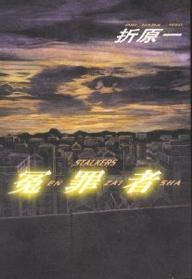
報導文學作家五十嵐友也收到一封來自東京拘置所(日本羈押被告之處)的信,寄信人河原輝男是十二年前連續強暴殺人案的嫌犯,目前經一審宣判無期徒刑正上訴中,而五十嵐昔日的戀人也是這一波事件的犧牲者。河原在信中極力主張自己的清白,聲稱在警方的不當偵訊下作出假口供,要求五十嵐藉由媒體的力量助他一臂之力。五十嵐抱著過往仇恨與疑惑交織的複雜心情,前去見了河原一面,開始在雜誌上執筆專欄……
沒有人能在翻到最後一頁之前,看清整件事的面貌——除了作者!
作者简介
折原一(Orihara Ichi,1951— )
日本琦玉縣人,畢業於早稻田第一文學部,從事編輯工作數年,1988年以《五具棺木》展開作家生涯,同年以《倒錯的輪舞曲》入圍江戶川亂步獎,1995年以長篇《沉默的教室》奪下日本推理作家協會獎,為日本推理文壇最具代表性的「敘述性詭計」新本格師匠。
其作品幽默巧妙,如迷宮般工緻;字裡行間彷彿與讀者鬥智,卻令人甘願落入其文字陷阱中,人稱「折原魔力」。折原一對於「敘述性詭計」寫作手法的執著、大膽與革新,由其超過二十部的此類作品可見一斑,包括《倒錯的死角—201號室之女—》、《倒錯的歸結》、《異人們的館》、《漂流者》、《冤罪者》等,另有傳統解謎推理黑星警部系列《鬼面村殺人事件》等,著作等身。現為日本推理作家協會一員。
目录信息
读后感
故事剧情:7.5分 文笔功底:7分 形象刻画:8分 总评:7.5分 折原一被称为叙述性诡计之王,名头真大。对于叙诡小说,给我印象最深的是《向日葵不开的夏天》,那本书的简评我写的十分简单,就是耍我耍我耍我……可见我真的是被耍得不成样子了,同时这也是表达我对作者的敬佩。还...
情理之中意料之外,读者先入为主的观点会将凶手集中在男性上,作者的切入点仅是舞的死亡案件,连环杀人案,即一个凶手多次连续犯案,文中同样运用了技巧,证明一个案子不是他杀即都不是他杀。舞的确没死于河源之手。文章最后的小谷,我认为是被偷用故事的悲惨女人,其实也不是...
就是冲着这个叙述性诡计买的这本书,因为据说一般人猜不到结局,但是我在偏后的部分隐约猜到了凶手的真面目。总结下,折原一童靴的诡计,一般都是A假装成B的名字,以A的身份和B的身份同时活动,然后真正的B也在里面叙述,然后就乱了……而且要想达到叙述性诡计的效果,凶手肯定...
用户评价
The moment I saw the title, "冤罪者," a wave of intellectual curiosity washed over me. It's a title that doesn't shout, but rather whispers a profound promise of delving into the complexities of injustice. My mind immediately conjured images of individuals caught in the unforgiving machinery of the legal system, their lives irrevocably altered by a false accusation. I began to ponder the narrative trajectory the author might have chosen. Would it be a single, gripping account of one person's struggle against a flawed system, allowing the reader to empathize deeply with their plight? Or perhaps a more sweeping analysis, exploring the systemic issues and human errors that contribute to wrongful convictions? The term "冤罪者" itself carries a weighty significance, suggesting not just the act of being wrongly accused, but the existential burden of living under that shadow. I considered the profound personal and social ramifications: the loss of freedom, the erosion of reputation, the unraveling of family ties, and the psychological toll of carrying such an indelible mark. The starkness of the cover, devoid of distracting imagery, further reinforced the notion that the substance of the narrative was paramount. It conveyed an expectation of a thought-provoking and emotionally resonant experience, a journey into the heart of human fallibility and the pursuit of truth. The title beckons the reader to confront uncomfortable realities, to question the very foundations of justice, and to reflect on the devastating consequences of its failures on individual lives. It's a title that signifies a commitment to exploring the darker corners of our societal structures and the resilience of the human spirit in the face of overwhelming adversity.
The title, "冤罪者," resonated deeply within me from the very first glance. It's a term that carries an immense gravity, hinting at a narrative that would explore the profound injustices that can befall individuals within any legal framework. My imagination immediately leaped to the concept of a person wrongfully convicted, their life irrevocably altered by an error in the system. I began to contemplate the author's potential approach to such a sensitive subject. Would the book focus on the personal journey of a single "冤罪者," allowing the reader to immerse themselves in their emotional and psychological experience? Or would it adopt a broader, more analytical stance, examining the societal and systemic factors that contribute to wrongful convictions? The very word "冤罪者" evokes a sense of profound pathos, suggesting a life defined by a miscarried judgment, a truth suppressed, and an identity unjustly maligned. I thought about the far-reaching consequences: the loss of liberty, the public stigma, the destruction of personal relationships, and the enduring trauma of such an ordeal. The minimalist design of the cover further amplified my anticipation, suggesting that the power of the story lay not in superficial embellishments, but in the depth and integrity of its content. It implied a work that would challenge the reader to confront the fallibility of human judgment and the critical importance of a just and equitable legal system. This title promises a narrative that is both intellectually stimulating and emotionally impactful, a compelling exploration of one of society's most harrowing failures and the indomitable spirit of those who have been wronged.
J'ai été immédiatement captivé par la sobriété du titre, "冤罪者". Ce n'est pas un titre accrocheur au sens conventionnel, il ne cherche pas à séduire par des promesses d'évasion ou de divertissement léger. Au contraire, il porte en lui un poids, une gravité qui suggère une exploration profonde des aspects les plus sombres de la condition humaine et des institutions sociales. Mon esprit a immédiatement sauté à la conclusion que ce livre devait traiter de l'injustice, de l'erreur judiciaire, de ces moments terribles où le système censé protéger la vérité se trompe de manière catastrophique, broyant des vies innocentes. L'idée de "l'accusé à tort" résonne comme une lame froide dans l'imaginaire collectif. Qui n'a jamais imaginé le cauchemar d'être innocent mais condamné, de voir sa vie, sa réputation, son avenir s'effondrer sous le poids d'une accusation fallacieuse ? Je me suis interrogé sur la perspective que l'auteur allait adopter. Allait-il se concentrer sur le parcours d'un seul individu, nous faisant vivre de l'intérieur la détresse, la colère, le désespoir de celui qui est pris au piège de la machine judiciaire ? Ou bien allait-il adopter une approche plus sociologique, analysant les causes profondes de ces erreurs, les défaillances systémiques, les préjugés inconscients qui peuvent mener à de telles catastrophes ? Le terme "冤罪者" est tellement évocateur qu'il contient en soi un univers de récits potentiels. Il implique une lutte, une quête de réhabilitation, peut-être même une vengeance ou une simple volonté de rétablir la vérité après coup. J'ai pensé aux répercussions à long terme sur l'individu, sur sa famille, sur la confiance qu'il peut encore avoir en la société. Est-ce que le livre allait explorer les cicatrices indélébiles laissées par une telle épreuve, ou allait-il se focaliser sur la rédemption, sur la possibilité de reconstruire une vie après avoir été déclaré "冤罪者" ? L'absence d'illustration sur la couverture renforce l'idée que le contenu est le maître mot, que c'est par la puissance des mots et la profondeur de la réflexion que le livre cherche à marquer son lecteur. Il promet une expérience intellectuelle et émotionnelle, un voyage au cœur des dilemmes moraux et des conséquences humaines de l'erreur judiciaire.
There was an immediate, almost visceral, reaction to the title "冤罪者." It's a title that doesn't offer a light read; instead, it signals a journey into the more somber and perhaps infuriating aspects of human systems. My imagination, without prompting, began to paint scenarios of individuals who found themselves on the wrong side of a legal verdict, their innocence a silent scream lost in the cacophony of accusation. I started to consider the author's potential approach: would they focus on the meticulous reconstruction of a single case, drawing the reader into the precise details that led to a wrongful conviction? Or would the book be a broader examination of the societal and psychological factors that predispose such errors, perhaps even exploring the consequences of a justice system that prioritizes expediency over absolute certainty? The term "冤罪者" itself carries an immense weight, suggesting not just a legal status but an existential burden, a life fundamentally altered by a mistaken judgment. I thought about the multifaceted consequences: the loss of freedom, the tarnished reputation, the fractured relationships, and the deep psychological scars that such an experience would undoubtedly leave. The clean, unadorned cover suggested a confidence in the narrative itself, an assurance that the story's power would come from its substance rather than its visual presentation. It implied a commitment to exploring profound themes, to challenging the reader's perceptions, and to offering a nuanced understanding of the human cost of injustice.
Dès que mes yeux se sont posés sur le titre, "冤罪者", une vague d'émotions complexes m'a traversé. Ce n'est pas un titre qui crie pour attirer l'attention, mais plutôt un murmure grave, une invitation à plonger dans les profondeurs de l'injustice humaine. Il évoque immédiatement l'image d'une vie brisée, d'une âme écorchée par une accusation fausse, d'une existence marquée par le sceau de la condamnation erronée. Mon esprit a commencé à tisser des récits potentiels : un homme ou une femme innocents, piégés dans les rouages implacables de la justice, leur vérité étouffée par le poids des preuves falsifiées ou des témoignages malveillants. Je me suis demandé quelle sorte de voyage l'auteur allait proposer. Allait-on suivre un personnage principal à travers les méandres d'un procès dévastateur, ressentant sa peur, sa frustration, son désespoir ? Ou bien l'œuvre allait-elle adopter une perspective plus large, analysant les mécanismes sociaux et psychologiques qui conduisent à de telles erreurs, les préjugés, les erreurs humaines, peut-être même la malveillance délibérée ? Le terme "冤罪者" est tellement chargé de sens qu'il suggère non seulement l'acte de la fausse accusation, mais aussi l'état d'être de celui qui la subit – un paria, un paria de la vérité, dont l'identité est désormais définie par une erreur qui le dépasse. J'ai imaginé les conséquences dévastatrices sur la vie d'une telle personne : la perte de liberté, la destruction de la réputation, le brisement des liens familiaux et sociaux, et le fardeau psychologique d'une vie vécue sous le regard jugeant du monde. La sobriété de la couverture, sans artifice, renforce cette impression que le contenu est le véritable cœur de l'ouvrage. On ne cherche pas ici à séduire par l'apparence, mais à interpeller par la substance. "冤罪者" est un titre qui promet une confrontation avec des thèmes difficiles mais essentiels, une exploration des failles de notre système de justice et de l'impact profond de ces failles sur les vies individuelles. Il m'a donné envie de comprendre, de ressentir, et de réfléchir à la manière dont nous pouvons, en tant que société, mieux prévenir et réparer de telles tragédies.
这本书的封面上,“冤罪者”三个字像烙印一样刻在我的脑海里, Dès que j'ai vu ce titre, j'ai ressenti une sorte de fascination mêlée d'une profonde inquiétude. C'est le genre de titre qui promet une plongée dans les profondeurs de l'âme humaine, dans les recoins sombres de la justice et de l'injustice. Je m'attendais à être emporté dans un récit qui explore les failles du système judiciaire, peut-être même à être confronté à des situations où la vérité est déformée, où l'innocence est sacrifiée sur l'autel de l'erreur ou de la corruption. Le mot “冤罪者” lui-même suggère une lutte, un combat contre des forces écrasantes, un cri silencieux d'une âme injustement accusée. Je me demandais si l'auteur allait se concentrer sur un cas spécifique, un personnage principal dont le destin est inextricablement lié à une accusation injustifiée, ou s'il allait plutôt dresser un tableau plus large des conséquences dévastatrices de telles erreurs judiciaires sur les individus et la société. Mon imagination a immédiatement commencé à tisser des scénarios : des salles d'audience solennelles mais glaciales, des avocats déterminés ou résignés, des victimes innocentes brisées par le système, et peut-être même des coupables réels qui échappent à la justice grâce à ces mêmes dysfonctionnements. L'idée même de“冤罪者” m'a fait réfléchir à la fragilité de la perception, à la facilité avec laquelle une vie peut être détruite par un seul jugement erroné. C'est un sujet universel et intemporel, car la quête de justice est intrinsèque à la condition humaine, et l'ombre de l'erreur judiciaire plane sur toutes les sociétés. J'attendais de ce livre qu'il me fasse réfléchir, qu'il me bouleverse peut-être, et qu'il me pousse à regarder le monde de la justice avec un œil plus critique et plus humain. La pochette sobre mais évocatrice, sans illustration superflue, renforçait cette attente d'un contenu substantiel et percutant. Le choix du mot “冤罪者” en lui-même est puissant, chargé d'une signification profonde qui dépasse la simple traduction littérale d'une personne faussement accusée. Il évoque une forme de damnation, une existence marquée par le sceau de l'erreur, une vie vécue dans l'ombre d'une injustice.
The title "冤罪者" resonated with me on a deeply intellectual and emotional level. It’s a phrase that carries significant weight, suggesting a narrative that would explore the complexities and often tragic consequences of wrongful accusations within a legal framework. My mind immediately began to conjure images of individuals caught in the unforgiving machinery of the justice system, their lives irrevocably altered by an error that society may struggle to rectify. I found myself contemplating the potential directions the author might have taken with such a profound subject. Would the book focus on a single, compelling case, drawing the reader intimately into the life of one "冤罪者" and their arduous journey? Or would it adopt a more analytical approach, dissecting the systemic flaws and human fallibility that contribute to such devastating miscarriages of justice? The very term "冤罪者" is potent, signifying not just the act of being wrongly accused, but the lived experience of bearing that unjust burden, the erosion of trust, and the profound impact on one's identity. I considered the far-reaching ramifications – the loss of freedom, the social stigma, the destruction of personal and familial relationships, and the enduring psychological trauma. The understated elegance of the cover, free from elaborate imagery, reinforced my expectation that the book's true strength would lie in the depth and integrity of its narrative, a testament to the power of well-crafted storytelling to illuminate important societal issues.
From the moment my eyes fell upon the title, "冤罪者," a profound sense of anticipation settled over me. It’s a title that immediately suggests a narrative grappling with the weighty and often heart-wrenching realities of injustice, particularly within the context of legal proceedings. My mind naturally began to weave potential storylines: the quiet desperation of someone falsely accused, their life unravelling under the scrutiny of a system that has erred; or perhaps a gripping chronicle of a dedicated legal professional fighting against insurmountable odds to unearth a truth that has been buried. I pondered the author's chosen perspective for this exploration. Would the narrative delve deeply into the personal psyche of a single individual marked as a "冤罪者," allowing the reader to experience their despair, resilience, and relentless pursuit of vindication firsthand? Or would the book adopt a more macrocosmic view, examining the societal structures and human biases that facilitate such grievous errors in judgment? The term "冤罪者" itself is loaded with a potent emotional and ethical charge, signifying not merely a legal misclassification but a profound human tragedy, a life fundamentally reshaped by a mistaken decree. I contemplated the cascading effects of such an experience: the curtailment of liberty, the indelible stain on one's reputation, the erosion of familial bonds, and the deep, enduring psychological wounds that inevitably follow. The deliberate lack of ornamentation on the cover further solidified my impression that the book's power would reside not in superficial embellishments, but in the compelling force of its narrative and the depth of its thematic exploration, promising an engaging and thought-provoking experience.
The title "冤罪者" struck me with a profound sense of its subject matter, immediately conjuring images of lives tragically disrupted by the errors of a justice system. It's a title that speaks volumes without uttering a single explicit plot detail, hinting at stories of individuals who have faced condemnation for acts they did not commit. My mind immediately began to construct potential narratives: the arduous journey of someone falsely imprisoned, their hopes dwindling with each passing year, or perhaps the meticulous investigation by a determined advocate striving to uncover the truth that was initially missed. I pondered the author's chosen lens through which to view this weighty theme. Would the narrative be intensely personal, delving into the psyche of a specific "冤罪者" and their struggle for redemption and recognition? Or would it offer a more analytical perspective, dissecting the systemic failures and human biases that can lead to such catastrophic miscarriages of justice? The term itself, "冤罪者," is potent, encapsulating not just the state of being wrongly accused, but the profound injustice and suffering that such a designation entails. I considered the multifaceted impact on an individual's life: the loss of liberty, the social stigma, the broken trust in institutions, and the emotional toll of having one's truth obscured. The unadorned cover design further solidified my impression that the strength of the book would lie in its narrative content and the depth of its exploration, rather than in superficial visual appeal. It promised a journey into the complexities of truth, justice, and the resilience of the human spirit when confronted with overwhelming adversity.
From the moment I encountered the title "冤罪者," I felt an immediate pull towards its inherent depth and gravitas. It's not a title designed to be easily dismissed; rather, it serves as a powerful invitation to confront some of the most challenging aspects of our legal systems and the human condition. My mind instantly gravitated towards the concept of wrongful conviction, picturing individuals ensnared by a system that, despite its intentions, can sometimes deliver devastatingly erroneous judgments. I started to wonder about the author's narrative intent. Would the story be a deeply personal portrayal of a single "冤罪者," allowing the reader to intimately understand their struggle, their despair, and their fight for vindication? Or would the book adopt a more comprehensive perspective, dissecting the underlying causes of such injustices – the biases, the systemic flaws, perhaps even the deliberate manipulations that can lead to such profound errors? The term "冤罪者" itself is a loaded one, suggesting not just the status of being falsely accused, but the enduring weight of that accusation, the distortion of identity it can cause, and the societal ostracization that often follows. I considered the ripple effects of such a fate: the deprivation of freedom, the irreparable damage to reputation, the fracturing of familial bonds, and the immense psychological burden that such an experience would inevitably inflict. The understated elegance of the cover, free from any extraneous imagery, only served to heighten my expectation that the true substance of the work would lie within the narrative itself. It signaled a focus on intellectual rigor and emotional resonance, a promise to engage the reader in a profound exploration of human fallibility and the enduring quest for justice.
最后我以为是他,最最后竟是他(?)
反正我是猜不到结局的
叙述性诡计的各种手法运用纯熟,一本杰作!
猜了个大概,中译的用词很讲究
叙述性诡计的各种手法运用纯熟,一本杰作!