
具体描述
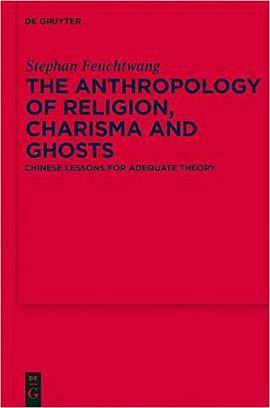
China has many religions. But rituals of local temples are none of these. They celebrate many gods and their powers to respond. Gods are invited as welcome guests by appropriate rituals of welcome and communication. Other rituals pacify ghosts and harmful powers. These rituals are rich with their own poetry, a poetry of performance, not just of contemplation. Interpreting this poetry demands revision of theories of ritual and religion. The author has spent over four decades studying Chinese ritual and religion through observation in contemporary China and Taiwan, constantly revising and rethinking theories of religion, ritual and their role in different political regimes.
作者简介
目录信息
Part 1 Religion
Chapter 2 ‘Religion’ and its historical transfer into China . . . . . . . 11
‘Religion’ in Europe . . . . . . . . . . . . . . . . . . . . . . . . . . . . . . . . . . . . 11
‘Religion’ in imperial China? . . . . . . . . . . . . . . . . . . . . . . . . . . . . . 15
The return of Confucius as an -ism and the introduction of ‘religion’ as policy to China . . . . . . . . . . . . . . . . . . . . . . . . . . . . . . 19
The current situation . . . . . . . . . . . . . . . . . . . . . . . . . . . . . . . . . . . 23
Conclusion . . . . . . . . . . . . . . . . . . . . . . . . . . . . . . . . . . . . . . . . . . . 27
Chapter 3 ‘A Chinese religion exists’ . . . . . . . . . . . . . . . . . . . . . . . . 29
Freedman’s critique of Religion . . . . . . . . . . . . . . . . . . . . . . . . . . . 33
Chineseness . . . . . . . . . . . . . . . . . . . . . . . . . . . . . . . . . . . . . . . . . . . 39
From Ritual to Religion . . . . . . . . . . . . . . . . . . . . . . . . . . . . . . . . . 44
Conclusion . . . . . . . . . . . . . . . . . . . . . . . . . . . . . . . . . . . . . . . . . . . 47
Chapter 4 A theory of religious ritual as deference and communicative excess . . . . . . . . . . . . . . . . . . . . . . . . . . . . . . . . . . . 53
Leach’s and Lvi-Strauss’s theory of ritual . . . . . . . . . . . . . . . . . . . . 57
Hierarchy, a condition of religious ritual . . . . . . . . . . . . . . . . . . . . 58
Religious ritual as a liturgical sequence marked by incense . . . . . . 61
Answerability . . . . . . . . . . . . . . . . . . . . . . . . . . . . . . . . . . . . . . . . . . 68
Metaphoricity and contiguity . . . . . . . . . . . . . . . . . . . . . . . . . . . . . 69
Deference and deferral . . . . . . . . . . . . . . . . . . . . . . . . . . . . . . . . . . 71
Ritual as mediation . . . . . . . . . . . . . . . . . . . . . . . . . . . . . . . . . . . . . 73
Conclusion . . . . . . . . . . . . . . . . . . . . . . . . . . . . . . . . . . . . . . . . . . . 74
Chapter 5 The Organisation of Extravagance as Charismatic authority and Self-government . . . . . . . . . . . . . . . . . . . . . . . . . . . . 77
Divine selection . . . . . . . . . . . . . . . . . . . . . . . . . . . . . . . . . . . . . . . . 78
Extravagance as test of a kept promise . . . . . . . . . . . . . . . . . . . . . . 81
Fanzhuang . . . . . . . . . . . . . . . . . . . . . . . . . . . . . . . . . . . . . . . . . . . . 83
Cosmological sovereignty as accountable charisma . . . . . . . . . . . . . 85
Chapter 6 Charismatic self-healing: a case of spirit-writing in Taiwan under Japanese occupation . . . . . . . . . . . . . . . . . . . . . . . . . 91
Spirit writing as a defiance of colonial authority . . . . . . . . . . . . . . 93
Public emotion in China . . . . . . . . . . . . . . . . . . . . . . . . . . . . . . . . 96
Charismatic, spirit-written emotion and recognition . . . . . . . . . . . 98
Canonisation . . . . . . . . . . . . . . . . . . . . . . . . . . . . . . . . . . . . . . . . . . 99
History, memory and personae . . . . . . . . . . . . . . . . . . . . . . . . . . . . 102
Chapter 7 Charisma in China . . . . . . . . . . . . . . . . . . . . . . . . . . . . . 106
Universal and modern charisma . . . . . . . . . . . . . . . . . . . . . . . . . . . 107
Incarnation of expectation: the person of the leader and the bodies and emotions of followers . . . . . . . . . . . . . . . . . . . . . . . . . . . . . . . . 110
Scenarios of intensification and dispersal . . . . . . . . . . . . . . . . . . . . 113
Fields of potency for charismatic innovation . . . . . . . . . . . . . . . . . 116
Conclusion and further questions . . . . . . . . . . . . . . . . . . . . . . . . . . 120
Part 3 Ghosts
Chapter 8 The avenging ghost . . . . . . . . . . . . . . . . . . . . . . . . . . . . 125
The avenging ghost as paradigm of a forgotten and potentially disruptive past . . . . . . . . . . . . . . . . . . . . . . . . . . . . . . . . . . . . . . . . . 126
Mass death and individuation . . . . . . . . . . . . . . . . . . . . . . . . . . . . . 130
Bad death and good . . . . . . . . . . . . . . . . . . . . . . . . . . . . . . . . . . . . 135
Sites of bad death and volatile pasts . . . . . . . . . . . . . . . . . . . . . . . . 139
Ghost stories and history . . . . . . . . . . . . . . . . . . . . . . . . . . . . . . . . 140
A classical ghost story from the last years of absolute sovereignty in Europe: Hamlet . . . . . . . . . . . . . . . . . . . . . . . . . . . . . . . . . . . . . . . 142
Chapter 9 Between temporalities: a case study of the transmission of loss in Taiwan . . . . . . . . . . . . . . . . . . . . . . . . . . . . . . . . . . . . . . . . . 146
Temporalities . . . . . . . . . . . . . . . . . . . . . . . . . . . . . . . . . . . . . . . . . . 148
An Event in History: the Luku Incident . . . . . . . . . . . . . . . . . . . . 150
Mode 1: History and Official Commemoration . . . . . . . . . . . . . . 153
Luku victims’ participation in nationalist temporality . . . . . . . . . . 155
Mode 2: Disruption and Repair of Families . . . . . . . . . . . . . . . . . 161
Ghosts between temporalities . . . . . . . . . . . . . . . . . . . . . . . . . . . . . 164
Conclusion . . . . . . . . . . . . . . . . . . . . . . . . . . . . . . . . . . . . . . . . . . . 166
Chapter 10 Between death and life: a location of ghosts and demons 168
The pitiable undead . . . . . . . . . . . . . . . . . . . . . . . . . . . . . . . . . . . . 170
The uncanny . . . . . . . . . . . . . . . . . . . . . . . . . . . . . . . . . . . . . . . . . . 173
State law and family law: Creon’s tragedy . . . . . . . . . . . . . . . . . . . 175
Conclusion . . . . . . . . . . . . . . . . . . . . . . . . . . . . . . . . . . . . . . . . . . . 178
Chapter 11 ‘Religion’ in the government of the People’s Republic of China: policy-led redefinition and openings in political space . . . . 180
Science versus waste and superstition . . . . . . . . . . . . . . . . . . . . . . . 183
Civilisation, heritage, cultural tourism and the economy as masks for spirituality, ritual and magic . . . . . . . . . . . . . . . . . . . . . . . . . . . 185
Government-sponsored religion as an adjunct to government . . . . 189
The space between moral and governing authorities: lower levels of government and smaller temples, rural and urban . . . . . . . . . . . . . 193
The Party Secretary, Fu Xi and Christians in the ‘cradle of Chinese civilisation’ . . . . . . . . . . . . . . . . . . . . . . . . . . . . . . . . . . . . . . . . . . . . 194
Governing popular religion . . . . . . . . . . . . . . . . . . . . . . . . . . . . . . . 197
References . . . . . . . . . . . . . . . . . . . . . . . . . . . . . . . . . . . . . . . . . . . . 201
Index . . . . . . . . . . . . . . . . . . . . . . . . . . . . . . . . . . . . . . . . . . . . . . . . 211
· · · · · · (收起)
读后感
用户评价
这本书的文字风格非常独特,它不像某些晦涩难懂的纯理论著作那样令人望而却步,反而以一种近乎散文诗的笔触,将复杂的人类学概念娓娓道来。作者似乎有一种魔力,能够将冰冷的学术分析包裹在生动的故事和细致的田野观察之中。我在阅读时,仿佛亲身参与了那些发生在地处偏远、文化迥异的社群中的仪式和交往。那些关于巫术、神启和非物质实体互动的描述,充满了令人信服的细节和深刻的洞察力。这种叙事上的张力,使得原本可能枯燥的理论讨论变得引人入胜,真正做到了将“田野”的鲜活与“理论”的深刻完美结合,极大地提升了阅读的沉浸感。
我是在一个偶然的机会下听说了这本书,当时一位人类学的朋友极力推荐,说它在探讨信仰现象时提供了一种全新的视角,尤其是在处理那些难以量化的“灵性”体验方面,表现得尤为出色。我本身对社会文化现象抱有浓厚的兴趣,但总觉得现有的理论框架在解释一些边缘或非主流的宗教实践时显得力不从心。这本书的标题本身就极具挑逗性——“宗教”、“魅力”与“鬼魂”这三个看似不相关的概念被并置在一起,立刻激起了我的好奇心。我立刻去查找了作者的相关背景,发现其研究领域横跨了多个文化区域,这让我对书中观点的普适性和深度充满了期待。这本书的出现,似乎填补了我知识体系中一个重要的空白点,预示着一次令人兴奋的思想探索之旅。
阅读这本书的过程,对我来说更像是一场智力上的“去殖民化”练习。它挑战了我从小受到的关于“理性”与“迷信”的二元对立的固有观念。作者没有采取高高在上的批判姿态,而是致力于理解特定文化内部的逻辑自洽性。书中对“魅力”(charisma)的重新界定尤其发人深省,它不再仅仅是政治领袖的个人特质,而是被嵌入到日常的宗教交往和超自然现象的感知机制中,成为一种社会关系的催化剂。这种对权力、信仰和感知如何相互作用的精妙剖析,迫使我反思自己习以为常的现实构建方式。读完一些章节后,我常常需要停下来,在现实世界中重新审视那些被我视为理所当然的事物,这种认知上的震动是极其宝贵的。
我对这本书的结构安排感到非常赞赏。它并非简单地罗列案例或堆砌理论模型,而是在不同主题之间建立起一种螺旋上升的对话关系。每一章似乎都在前一章的基础上进行了深化和拓展,但又引入了新的维度来审视核心议题,使得整体论证结构异常稳固且富有层次感。例如,当它深入探讨“鬼魂”如何作为一种社会关系的中介时,自然而然地引出了对“在场性”和“缺席”的哲学思考,这些思考又反过来佐证了前文关于“魅力”在仪式中如何被激活的论断。这种内在的逻辑一致性和主题间的有机联系,展现了作者深厚的学术功力和严密的思维训练,使人确信这是一部经过长时间酝酿和精雕细琢的扛鼎之作,绝非一时兴起的拼凑之物。
这本书的封面设计非常有吸引力,色彩的搭配和字体选择都透露出一种神秘而又深邃的气息,让人一看就想深入了解其内容。装帧的质感也相当不错,拿在手里分量十足,感觉像是一部严肃的学术著作。书脊的设计简洁而有力,印着清晰的标题,即便在书架上也能一眼被注意到。打开内页,纸张的质量令人满意,阅读起来非常舒适,即便长时间阅读也不会感到眼睛疲劳。版式的排布也很专业,注释和引文的处理得当,使得阅读过程既流畅又不失学术的严谨性。总的来说,从物理层面上看,这本书的制作水平很高,给人一种物有所值的感觉,为接下来的阅读体验打下了坚实的基础。它不仅仅是一本书,更像是一件值得珍藏的艺术品,体现了出版商对内容的尊重和对读者的关怀。
基于比较台湾和大陆的观察经验,重新思考了宗教和仪式的理论问题。
基于比较台湾和大陆的观察经验,重新思考了宗教和仪式的理论问题。
基于比较台湾和大陆的观察经验,重新思考了宗教和仪式的理论问题。
比起1974年Wolf那个集子里几篇对ghosts, gods, ancestors 的思考,Feuchtwang这本明显格局要大很多思考深度也深很多。受Derrida的影响不要太明显啊
比起1974年Wolf那个集子里几篇对ghosts, gods, ancestors 的思考,Feuchtwang这本明显格局要大很多思考深度也深很多。受Derrida的影响不要太明显啊