
具体描述
An exhibition at the Fitzwilliam Museum, Cambridge
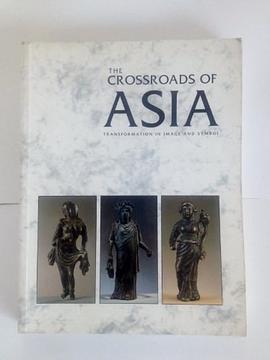
Elizabeth Errington and Joe Cribb's catalogue covers an exhibition held at the British Museum on the art of Afghanistan and northern India, ancient Bactria, Kapisa, Gandhara, Sind and Mathura. Exhibitions of this sort are usually accompanied by a book containing plates of the exhibits and some background information. The worst of such books are simply pages of pretty pictures with spurious historical details. The Crossroads of Asia is however among the best, interspersing the plates with a wide variety of readable discussion.
The book begins with an outline of regional history for period covered by the exhibition. This includes a brief discussion of Kushan chronology in which the date of Kanishka features prominently. Errington and Cribb settle for a date of c.100AD. The section is very nicely illustrated with maps and charts of the rulers of the period. The introduction continues into an overview of the art in which the schools of Mathura and Gandhara are compared and contrasted with earlier schools. An excellent introduction for someone not already familiar with the period it covers the Greeks, Persians and Sasanians as well. The catalogue is well photographed and each piece receives details of weight, composition, size and some notes on its date and provenance. The division is first by type, Images of Alexander, Coins, Vessels, A few particular pieces, and then images of the Buddha. Within each section the pieces are arranged in chronological order. The authors are not however bound by this convention, and where it aids the the text, have changed the order.
Of particular interest for anyone interested in the Kushan period is the detailed account given of the Kanishka reliquary casket found at Shah-ki-Dheri. This was the supposed site of Kanishka's great stupa, described by Chinese pilgrims as seven hundred feet high. The casket was discovered in a deposit chamber under the stupa and associated with the legendary deposit made by Kanishka himself. The interpretation of the casket has proved awkward in the past. Many possible dates have been offered, inside and outside the reign of Kanishka. Readings of the text vary a considerable amount and make it difficult to decide if the casket was a royal gift or presented by buddhist monks. The section nicely summarizes this debate and provides the three important translations of the inscription.
The crowning achievement of the book is the detailed technical analysis included at the back. Very little technical analysis work has been done on the art materials of the period and this highlights the need for more work. As it stands it poses many questions. The analysis of metals shows the use of zinc which further supports the sophistication of mining operations in northern India, Lynn Willies has previously established that the oldest zinc mine in the world belongs to Rajasthan province in northern India. The metals work also includes details of known sites of production and may imply quite an extensive trade network in the region of modern Pakistan, further research is needed. In contrast the fashioning and fabrication of art objects appears to have remained rather unsophisticated. This lack of technical skill is apparent compared with developments in the middle ages, and the contemporary Roman empire. The section poses more questions than it answers, but will repay careful reading.
Errington and Cribb have done a superb job. Anyone looking for an overview of Kushan art put into context will not be dissapointed. Those who already have a background will not find any startling new ground broken here, they might however find the extensive pictures useful. The bibliography may be useful for the reader who wishes to go further. The section on technical analysis will be a great deal of use to all readers, though it may require considerable effort.
作者简介
目录信息
读后感
用户评价
我一直对那些能够深入剖析社会变迁和文化碰撞的书籍情有独钟。这本书的名字,“亚洲的十字路口”,恰好触动了我对于这种主题的兴趣。“十字路口”这个词,本身就充满了动态感和不确定性,它意味着无数的相遇、无数的选择、无数的改变。我很好奇作者将如何展现这片土地上不同文明、不同民族、不同思想的汇聚与冲突。是会从宏观的历史视角,描绘大事件的脉络,还是会聚焦于个体命运的转折,折射出时代的洪流?我期待书中能够有令人耳目一新的观点,能够挑战我固有的认知,让我看到一个我从未接触过的亚洲。或许,这本书会带领我认识到,在那些我们熟知的历史叙事之外,还有多少被忽视的角落,有多少未被讲述的故事。我希望它能够提供一种新的视角,让我理解在“十字路口”上,那些曾经发生过的、以及正在发生的改变,是如何塑造了今天的亚洲,又将如何影响着未来。我对这种能够引发深度思考的书籍总是充满渴望,它们能够拓展我的视野,让我对世界有更深刻的理解。
这是一本让我感到充满期待的书。它的名字,"Crossroads of Asia",如同一个巨大的磁场,吸引着我对它内部内容的无限遐想。我脑海中浮现出的是一个充满着多元文化、宗教信仰、以及复杂历史交织的区域。我猜测这本书会涉及大量的地理、历史、以及人文元素,它可能不仅仅讲述一个简单的故事,而是试图去描绘一个宏大而多元的图景。我特别好奇作者将如何处理这种“十字路口”的概念,它可能代表着东西方文明的交汇,也可能象征着不同民族、不同信仰的碰撞与融合。我期待书中能够有详实的考证和深刻的见解,能够带领我深入了解这片土地上曾经发生的、以及正在发生的种种变化。我喜欢那种能够拓展我知识边界,让我对世界有更深层次理解的书籍。这本书似乎就具备这样的潜力,它能够让我从一个全新的角度去审视亚洲,去理解那些塑造了这片大陆独特魅力的因素。
坦白说,当我拿到这本书的时候,我最先被它的文字吸引了。那种带有诗意的、充满画面感的语言,仿佛一幅幅精心绘制的山水画,又像是低语的古老歌谣,直接触动了我内心深处的情感。我特别喜欢那种能够唤起读者想象力的描写,不直白地说教,而是通过意象、比喻、甚至是留白,让读者自己去体会、去感受。我很好奇作者是如何驾驭这样一种语言风格的,它是否会随着故事的推进而有所变化?例如,在描写壮丽的自然风光时,语言是否会变得更加磅礴大气;而在刻画人物内心世界时,是否又会变得更加细腻婉转?我期待书中能够有这样精妙的语言运用,让我在阅读的同时,仿佛也置身于那个故事发生的场景之中,与书中人物一同呼吸,一同感受。同时,我也对书中可能包含的哲学思考和人文关怀充满了期待。毕竟,“亚洲的十字路口”这样一个概念,本身就承载着关于人类相遇、理解、以及文明互鉴的深层意义。我希望这本书不仅仅是一个简单的故事讲述,更能引发我对于更广阔世界的思考,对于不同文化之间关系的探究。
哇,这本书的封面就足够吸引人了!那一种神秘莫测、又带着些许苍凉的意味,瞬间就抓住了我的眼球。我喜欢这种带有历史厚重感和地理跨度的故事,总觉得隐藏着无数未知的文明和跌宕起伏的传说。我脑海里已经开始勾勒出广袤的草原、巍峨的山脉,以及那些古老而充满智慧的民族。这本书的名字本身就充满了故事性,“亚洲的十字路口”,这暗示着它可能不仅仅是关于某个特定地点,而是关于一个汇聚、交融、碰撞的区域,一个文明的熔炉。我很好奇作者将如何描绘这个区域的地理风貌,是细腻到每一寸土地的纹理,还是宏大到将整个地域的变迁尽收眼底?更重要的是,我期待书中能够深入挖掘那些在这片土地上留下深刻印记的文化、宗教、贸易路线,以及那些在这历史长河中扮演重要角色的个体。这本书让我有一种想要立刻翻开扉页,跟随作者的笔触去探索的冲动,去感受那古老东方与西方文明交织的脉络,去聆听那些沉睡在历史深处的低语。我相信,这本书将是一次充满惊喜和启发的阅读旅程,它会带我穿越时空,领略非凡的风采。
这本书的书名,带着一种引人入胜的史诗感,仿佛打开了一扇通往古老传说的大门。“亚洲的十字路口”——光是听到这个名字,我就联想到了驼铃声声的丝绸之路,战火纷飞的帝国争霸,以及宗教与哲学的交融碰撞。我期待这本书能够像一位饱经风霜的旅人,用他深邃的目光带领我穿越这片神秘而辽阔的土地。我希望看到书中能够描绘出那些在历史上留下深刻印记的城邦,那些曾经繁华的市集,以及那些在时代浪潮中起起落落的王朝。更重要的是,我期待书中能够深入刻画那些在这片土地上生活过的人们,他们的喜怒哀乐,他们的信仰追求,他们的坚韧不拔。我希望能够从他们的故事中,感受到那个时代特有的气息,理解那些跨越时空的文化传承。这本书给我一种宏大叙事的预感,但同时,我也希望它不会失去对个体生命的关注,让历史的厚重感与人性的光辉交织在一起,构成一幅波澜壮阔的画卷。
翔实可靠。
翔实可靠。
翔实可靠。
翔实可靠。
翔实可靠。