
具体描述
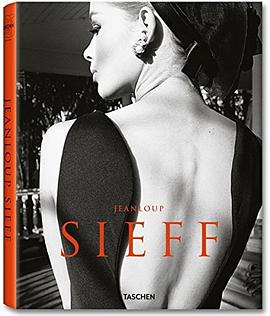
In this unique monograph, Jeanloup Sieff (1933-2000) retraces in words and images the course of 40 years of photographs, encounters, and memories. Divided into four chapters, from the 50s to the 90s, the book brings together the major photographs of a creator who left his imprint on a generation with prolific work in the fields of fashion, landscape, advertising, and portrait photography. Sieff's art testifies to his tireless quest to capture the fleeting beauty of "temps perdu," or "time which cannot recur."
作者简介
目录信息
读后感
拨开迷雾的集锦之一,10年一段落的自我回顾对欣赏随后那一阶段的作品有些指导和说明作用,当然也包括他本人的部分情史。也可以些许看出从年轻时作品的青涩、对技术的探索至商业作品的成熟及对自身反思和独特追求的诠释。 从列入的作品可见主要出自莱卡和禄来。 该书是竖版排版...
拨开迷雾的集锦之一,10年一段落的自我回顾对欣赏随后那一阶段的作品有些指导和说明作用,当然也包括他本人的部分情史。也可以些许看出从年轻时作品的青涩、对技术的探索至商业作品的成熟及对自身反思和独特追求的诠释。 从列入的作品可见主要出自莱卡和禄来。 该书是竖版排版...
拨开迷雾的集锦之一,10年一段落的自我回顾对欣赏随后那一阶段的作品有些指导和说明作用,当然也包括他本人的部分情史。也可以些许看出从年轻时作品的青涩、对技术的探索至商业作品的成熟及对自身反思和独特追求的诠释。 从列入的作品可见主要出自莱卡和禄来。 该书是竖版排版...
拨开迷雾的集锦之一,10年一段落的自我回顾对欣赏随后那一阶段的作品有些指导和说明作用,当然也包括他本人的部分情史。也可以些许看出从年轻时作品的青涩、对技术的探索至商业作品的成熟及对自身反思和独特追求的诠释。 从列入的作品可见主要出自莱卡和禄来。 该书是竖版排版...
拨开迷雾的集锦之一,10年一段落的自我回顾对欣赏随后那一阶段的作品有些指导和说明作用,当然也包括他本人的部分情史。也可以些许看出从年轻时作品的青涩、对技术的探索至商业作品的成熟及对自身反思和独特追求的诠释。 从列入的作品可见主要出自莱卡和禄来。 该书是竖版排版...
用户评价
Taschen 2010年版本,按50s、60s、70s、80s断代体归类作品,明显的阶段性变化。
Taschen 2010年版本,按50s、60s、70s、80s断代体归类作品,明显的阶段性变化。
这本主要还是sieff 40年摄影生涯的回顾,能明显地看出风格的变化,各类题材应有尽有,谁说时尚摄影师不会扫街,甚至还拍出了巴黎的妩媚
Taschen 2010年版本,按50s、60s、70s、80s断代体归类作品,明显的阶段性变化。
为什么能成为一名摄影师?因为曾有人送我一台相机。