
具体描述
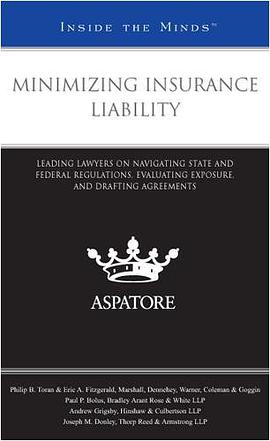
Minimizing Insurance Liability is an authoritative, insider's perspective on best practices for insurance companies and lawyers when attempting to mitigate insurance liability. Featuring partners and shareholders from some of the nation's leading law firms, these experts guide the reader through the state and federal regulations that apply to insurance law and liability. These top lawyers reveal their advice on evaluating a company s exposure, drafting an insurance agreement, completing risk analysis when denying a claim, and obtaining the key documents necessary in claim denials. From providing agents with the training they need to maintain an appropriate level of communication and professionalism to matching agents with venues and claim types based on experience, these authors recommend the various practices that should be implemented by insurance companies to help minimize liability. Additionally, these leaders discuss the impact of reinsurance and mergers and acquisitions on insurance liability, new types of coverage and changing liabilities, and current trends in bad faith claims. The different niches represented and the breadth of perspectives presented enable readers to get inside some of the great legal minds of today, as these experienced lawyers offer up their thoughts around the keys to success within this ever-evolving area of law. Inside the Minds provides readers with proven business intelligence from C-level executives (Chairman, CEO, CFO, CMO, Partner) from the world's most respected companies and firms nationwide, rather than third-party accounts from unknown authors and analysts. Each chapter is comparable to an essay/thought leadership piece and is a future-oriented look at where an industry, profession, or topic is heading and the most important issues for the future. Each author has been selected based upon their experience and C-level standing within the professional community. Chapters Include: 1. Philip B. Toran & Eric A. Fitzgerald, Shareholders, Marshall, Dennehey, Warner, Coleman & Goggin Responding to Recent Trends in Insurance Liability 2. Paul P. Bolus, Partner, Bradley Arant Rose & White LLP Minimizing Liability by Understanding Key Risks and Implementing and Enforcing Best Practices 3. Andrew Grigsby, Partner, Hinshaw & Culbertson LLP Liability Concerns for Insurers and Insureds: Key Trends and Helpful Strategies 4. Joseph M. Donley, Partner, Thorp Reed & Armstrong LLP Best Practices to Avoid Bad Faith Claims Appendices Include: Appendix A: Complaint for Declaratory Relief Appendix B: Sample Reservation of Rights Letter Appendix C: Sample Reservation of Rights Letter II Appendix D: Sample Coverage Opinion (Estate) Appendix E: Sample Coverage Opinion Appendix F: Coverage Review Checklist Appendix G: California Insurance Code Appendix H: New York State Insurance Regulations Appendix I: Form Report to Insurer Appendix J: ISC-Insurance NY Insurance Stat TOC
作者简介
目录信息
读后感
用户评价
读完这本关于法律责任与商业策略的交叉领域书籍,我感到仿佛完成了一次对现代商业契约精神的深度解剖。作者以其老道的法律经验,对“尽职调查”在保险索赔过程中的法律效力和伦理边界进行了近乎苛刻的审视。书中大量引用了跨国判例法,特别是涉及到环境污染和产品召回等高额索赔案件,揭示了在信息不对称状态下,保险公司如何通过细致的合同条款设计来最大程度地减轻其潜在的财务敞口。我特别欣赏作者在论述“免责条款的有效性”时所采用的辩证手法,他没有简单地批判或赞扬,而是深入分析了不同司法管辖区对“公平性”的不同解释标准如何影响最终的判决结果。行文风格严谨又不失犀利,语言组织精准有力,几乎没有一句废话。对于那些需要频繁处理国际商业纠纷的律师或合规官来说,这本书提供了超越教科书层面的实战智慧,它教会我们如何预判对手的法律策略,并在合同起草的源头就埋下防范的种子。
这本书的叙事节奏非常引人入胜,它不像一本严肃的学术著作,更像是一部金融惊悚小说,只不过所有的冲突都围绕着“如果出事了怎么办”展开。作者似乎对保险业内部的运作潜规则有着百科全书式的了解,书中描绘的理赔调查过程,充满了博弈、试探和策略性的信息释放。我读到关于“故意隐瞒”与“重大过失”之间界限模糊地带的章节时,几乎屏住了呼吸。他通过几个设计巧妙的虚构情景,展示了如何运用心理学和行为经济学的原理来影响潜在被保险人的风险感知和申报行为。尽管技术细节相对较少,但其对人性弱点和风险规避动机的深刻洞察,使得整本书充满了张力。对于希望了解保险业幕后运作逻辑的非专业人士来说,这本书提供了一个绝佳的、既有深度又充满趣味的窥视窗口。它让你在读完之后,会对任何签下的合同都多一份审慎的敬畏之心。
这本关于风险管理和合同法的著作,从一个全新的角度审视了保险领域的固有矛盾。作者似乎对传统精算模型的局限性有着深刻的洞察力,并试图构建一套更具前瞻性的、能够适应快速变化的市场环境的理论框架。我对其中关于“不可预见风险溢价分配机制”的探讨印象尤其深刻,它挑战了当前业界普遍接受的基于历史数据的定价模式。书中详尽地列举了多个案例研究,从经典的航运保险到新兴的网络安全风险,展示了如何通过更精细化的风险隔离技术来优化承保流程。尤其值得称道的是,作者并未止步于理论构建,而是提供了一系列可操作的量化工具和决策树模型,使得风险分析师能够更有效地在成本控制和责任规避之间找到平衡点。不过,对于那些不熟悉高级统计学背景的读者来说,书中涉及的复杂数学推导可能会构成一定的阅读门槛,但坚持读下去,其带来的思维上的冲击绝对是值得的。这本书无疑是为那些希望在保险合同的灰色地带寻找清晰边界的专业人士准备的案头必备之作。
该书的独特之处在于,它并没有过多关注保险产品的具体设计,而是将焦点完全锁定在了“责任的动态转移”这一宏大命题上。作者的视角极其宏观,似乎将保险视为一种社会治理工具,而非单纯的金融产品。我被其中关于“系统性风险的保险化难题”的论述所震撼。他探讨了气候变化、全球流行病这类无法被传统风险模型捕捉的“黑天鹅”事件,是如何挑战现有再保险体系的稳健性的。书中提出的关于建立跨国界、多层次的“风险共担储备池”的设想,虽然在现实中推行难度极大,但其理论的先驱性是毋庸置疑的。写作风格偏向于哲学思辨,句式长而复杂,充满了从历史哲学引申到现代风险管理的论证链条,要求读者必须保持高度的专注力才能跟上作者的思维跳跃。这本书适合那些对未来社会结构和金融安全网的重塑感兴趣的政策制定者和理论研究者。
我必须承认,这本书的结构编排堪称教科书级别的高效。它以一种近乎冷酷的实用主义态度,剖析了企业在面临潜在诉讼风险时,如何通过保险机制将“不确定性成本”转化为“可接受的运营费用”。作者没有使用华丽的辞藻,而是用大量的流程图、检查清单和决策矩阵来指导读者实践。其中关于“风险敞口量化与保险额度匹配”的章节,提供了一个清晰的步骤指南,从识别关键资产到计算损失概率,每一步都清晰可循,几乎可以立刻应用于企业风险管理部门的工作流程中。这种极度的务实性使得这本书在众多理论著作中脱颖而出。它不是在讨论“应该怎样做”,而是在说明“我们实际上是如何在操作层面解决这个问题的”。对于企业财务总监或风险经理而言,这本书的价值在于其即时的可操作性,它提供了一套近乎标准化的、用于规避企业未来财务灾难的工具箱。