
具体描述
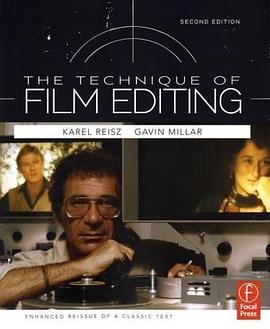
Enhanced version of the seminal text on editing includes a new foreword, a new afterword, a revamped cover and layout, as well as a lower price!
The single most comprehensive and engaging volume on film editing. Reisz and Millar introduce readers to every aspect of the editor's craft, providing a concise history of editing and describing editing style as it applies to every genre of moviemaking, including many types of narrative and documentary films. The particular demands of wide-screen filmmaking, cinema verite, and the avant-garde are also covered.
Reisz and Millar's account of the differences between smooth and abrupt editing and their remarkable sense of editing for dramatic effect rather than for realism make this book essential for apprentice editors, as well as those who want to know how filmmakers understand their work.
作者简介
Thank goodness this classic book has come back into print! Though The Technique of Film Editing has not been revised since 1968, it is still the single most comprehensive and engaging volume on film editing. Karel Reisz and Gavin Millar introduce readers to every aspect of the editor's craft. They provide a concise history of editing and describe editing style as it applies to every genre of moviemaking, including the many types of narrative and documentary films. The particular demands of wide-screen filmmaking, cinema vérité, and the avant-garde are also covered. Reisz and Millar's account of the differences between smooth and abrupt editing and their remarkable sense of editing for dramatic effect rather than for realism make this book an essential for apprentice editors, as well as for those who want to know how filmmakers understand their work. --This text refers to an out of print or unavailable edition of this title.
From the Publisher
In 1968 the original text was reprinted as it stood, as it was felt that any attempt to revise or reinterpret it could only blur its spirit. The second edition has now also reprinted 13 times. On publication, the film director Anthony Asquith said `this book is an absolute must not only for film technicians but for every intelligent filmgoer' and more recently it has been said that `it is probably the most successful film textbook in English, and has had a great influence on the technique of the cinema.' --This text refers to an out of print or unavailable edition of this title.
目录信息
读后感
用户评价
这本书的装帧和纸张质量真是让人眼前一亮,拿到手里就知道这是一本用心制作的专业书籍。厚实的封面给人一种可靠的感觉,内页的印刷清晰锐利,即便是那些复杂的图表和示例画面,也能看得一清二楚。我特别欣赏它在版式设计上的用心,文字和图像的排版布局非常合理,阅读起来非常流畅,不会让人感到视觉疲劳。作为一个对电影制作有浓厚兴趣的业余爱好者,我发现这本书在视觉呈现上简直是一场享受。它不仅仅是知识的载体,更像是一件值得收藏的艺术品。翻阅过程中,那种油墨的淡淡香味,也增添了一丝阅读的仪式感,让人更愿意沉下心来钻研那些精妙的叙事技巧和剪辑原理。对比我之前买过的一些影评类书籍,这本书在物理层面的质感上,无疑是高出不止一个档次。它体现了出版商对专业书籍应有水准的坚持,为读者提供了一个极佳的阅读体验的硬件基础。
我必须提及这本书在案例分析上的独到之处。它没有仅仅罗列那些人尽皆知的“教科书式”的镜头,反而挖掘了一些非常具有启发性的、非传统的剪辑范例。有些段落专门讨论了在特定类型片(比如悬疑片中的信息延迟处理,或是纪录片中对真实性的微妙平衡)中,剪辑如何扮演了决定性的角色。这些细致入微的分析,远超出了我预期的范畴。特别是关于“交叉剪辑”在构建戏剧张力方面的运用,书中提供的具体场景拆解,让我对这种经典手法有了全新的理解。这种对细节的执着,体现了作者在电影产业的深厚积累,它教我的不是固定公式,而是如何根据情境灵活变通的思维框架。
这本书的叙事风格非常平易近人,即便是对于刚刚接触电影理论的新手来说,也不会感到晦涩难懂。作者似乎深谙如何将那些看似深奥的剪辑概念,转化为生动有趣的案例和日常的语言进行阐述。我尤其喜欢它对“节奏”和“情感过渡”的解释,不再是干巴巴的术语堆砌,而是通过一系列经典的电影片段来具体分析,让人茅塞顿开。读完某一部分,我甚至会忍不住立刻打开电脑,尝试模仿书中所述的手法去处理自己的一些素材,那种即学即用的感觉非常棒。它没有高高在上的理论姿态,更像是一位经验丰富的前辈,耐心地手把手教你如何用剪刀(或者说鼠标)塑造故事的灵魂。这种循序渐进的教学方式,极大地降低了学习门槛,让我对复杂的工作流程也充满了信心。
坦白说,这本书的篇幅相当可观,内容密度极高,阅读起来需要投入大量的时间和精力,绝对不是一本可以囫囵吞枣的入门读物。我发现自己需要反复查阅某些章节,甚至需要停下来对照一些电影片段才能完全消化其中的精髓。但正是这种“厚重感”,让我确信这是一部可以伴随我职业生涯持续成长的参考宝典。它不是那种读完一遍就束之高阁的书籍,而是那种当你遇到新的剪辑难题时,会习惯性地翻开,寻求灵感和解决思路的“工具箱”。它要求读者保持专注和批判性思维,以应对其内部蕴含的丰富信息量,这本身就是一种对专业精神的训练。
这本书的理论深度和广度都达到了一个令人赞叹的水平。它不仅仅停留在基础的“如何剪辑”层面,而是深入探讨了剪辑背后的哲学思考——比如主观性与客观性的切换、时间流逝感的控制,以及如何通过剪辑来影响观众的潜意识认知。我发现它对蒙太奇理论的梳理尤为到位,从早期先驱的探索到后来的流派发展,脉络清晰,逻辑严密。书中引用的文献和理论支撑非常扎实,绝非泛泛而谈,每一个观点都有据可循。对于那些想要从“技术工匠”晋升为“视觉叙事艺术家”的人来说,这本书无疑提供了必要的理论基石。它强迫我去思考,每一个剪辑点的选择,都不是随意的,而是对信息流和观众情绪的精准计算。