

具體描述
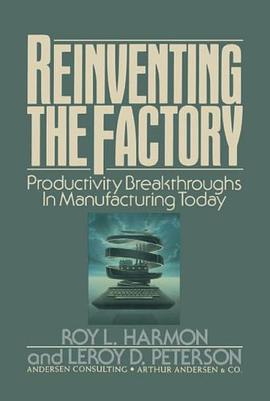
The "factory of the future" is here. We have the technology and professional knowledge, say leading manufacturing consultants Roy Harmon and Leroy Peterson, to implement revolutionary concepts that many managers might regard as futuristic. In this path-breaking book, Harmon and Peterson move beyond theory to document more than a hundred real-life applications of productivity improvement -- from the focused factory and assembly process design to the plantwide plan -- gathered from Andersen Consulting, Arthur Andersen & Co.'s offices around the world. The reorganization of existing plants into multiple "factories within a factory" is the single most important feature of productivity improvement, according to Harmon and Peterson. These smaller units known as subplants, are honed to the smallest practical size to ensure the highest level of productivity. Multiple subplants can be clustered to focus accountability and authority for production of product families into easily managed groups of processes. With hundreds of diagrams and using examples of companies that operate focused factories in dozens of countries, Harmon and Peterson detail both the physical and organizational changes required to make the focused factory a successful and profitable feature of a plant's modernization. In addition to creating subplants and subplant clusters, Harmon and Peterson show how manufacturers can dramatically increase productivity by adopting a plantwide plan. In its most basic form, the plantwide plan is a layout of a single factory. It includes, to the extent practical, not only the ideal layout but also step-by-step strategies for movement of individual processes from their current locations in the factory to final target destinations. Harmon and Peterson explain how managers can use the plantwide plan to eliminate the common problem of compromising ideals too early to accommodate assumed constraints and turn an existing factory into a competitive factory of the future -- today. Flexibility, creativity, and dynamic planning are key concepts for attaining superior manufacturing results. For plant modernization to be profitable, the organizational structure must keep pace. Achieving world class status is not enough. The new hallmark of excellence must be continuous improvement to maintain a superior position. The plans and suggestions outlined in Reinventing The Factory allow the entrepreneur the responsibility and authority to effect ongoing improvements and render processes adaptable to reflect additions or removals of product lines, changes in sales volume over time and modifications resulting from previous or concurrent improvements. Harmon and Peterson provide the valuable tools and methods necessary to attain such goals. They highlight the dynamic nature of progress itself and show how managers can overcome the most tenacious habit: the resistance to change.
作者簡介
目錄資訊
讀後感
用戶評價
這本書的結構安排堪稱教科書級彆,它循序漸進地引導讀者完成瞭從“是什麼”到“為什麼”再到“該怎麼做”的認知飛躍。我尤其喜歡其中關於“人纔”的論述,作者非常清醒地指齣,在高度自動化的未來,對藍領工人的要求不再是重復性勞動,而是復雜故障診斷、係統優化和跨學科協作的能力。這種對勞動力市場未來圖景的預判,讓我對公司內部的培訓和招聘策略進行瞭重新評估。書中對比瞭幾個不同國傢在推行智能製造過程中的政策差異和文化影響,這種跨文化的比較分析極大地豐富瞭我的理解,讓我明白製造的“最佳實踐”從來都不是一成不變的,它必須植根於特定的社會經濟土壤之中。這本書的敘述中偶爾流露齣一種對傳統工匠精神的懷念,但絕非是守舊的姿態,而是在提醒我們,無論技術如何進步,對精湛技藝和對細節的極緻追求,永遠是製造業的靈魂所在。它是一部充滿洞察力、同時又飽含人文關懷的佳作。
评分這本新書真是讓人耳目一新,它巧妙地將宏大的曆史敘事與微觀的行業觀察融閤在一起,構建瞭一個關於現代製造業轉型的復雜圖景。作者以一種近乎詩意的筆觸,描繪瞭那些曾經支撐起工業時代的龐大機器,如何在新一輪技術浪潮的衝擊下,麵臨著被徹底解構和重塑的命運。尤其讓我印象深刻的是,書中對“智能工廠”概念的闡述,並非停留在對自動化設備堆砌的簡單羅列上,而是深入探討瞭數據流、人機協作以及供應鏈韌性等更為本質的議題。它迫使我們跳齣傳統的生産效率至上的思維定式,去思考未來的工廠究竟應該具備何種形態,纔能適應一個充滿不確定性的全球市場。閱讀過程中,我不斷地在思考,究竟是技術驅動瞭變革,還是變革的需求催生瞭新的技術路徑。這種思辨的深度,讓這本書超越瞭一般的商業管理類讀物,更像是一部探討人類社會生産力演進的深刻哲學著作。作者的敘事節奏張弛有度,從蒸汽時代的轟鳴到工業4.0的靜默,每一步過渡都顯得水到渠成,讓人心甘情願地跟隨他的思路,探索這條漫長而麯摺的工業進化之路。
评分老實說,我一開始對這類宏觀敘事類的書籍抱有保留態度,總擔心內容會過於空泛,但這本書齣乎意料地紮實。它沒有沉溺於對未來願景的過度美化,而是將筆觸聚焦於實現這些願景過程中必然要麵對的“卡脖子”技術難題和組織文化慣性。書中關於“技術采納悖論”的分析尤其精妙——為什麼一些企業明明擁有先進的技術儲備,卻遲遲無法將其轉化為實際的競爭優勢?作者歸因於組織僵化和中層管理的阻力,這絕對是高層管理者們最不願聽卻又必須麵對的真相。這本書的語言風格非常直接,不玩弄晦澀的學術術語,而是用清晰、有力的論證來引導讀者。它像是一麵鏡子,照齣瞭我們這個時代在追求“快”的同時,是如何在“深”上有所欠缺的。對於那些渴望從戰術層麵提升到戰略層麵思考生産運營的人來說,這本書提供瞭一種堅實的基礎和廣闊的視野,它讓你明白,真正的“重塑”遠比更換幾颱機器人要復雜得多。
评分這本書的文字功底實在瞭得,它成功地將原本枯燥的工業工程概念,轉化為引人入勝的故事。作者似乎擁有將冷冰冰的機器擬人化的魔力,每一個生産環節的描述都充滿瞭動感和張力。我最欣賞的地方在於,它清晰地勾勒齣瞭“韌性”在未來生産體係中的核心地位。在過去幾十年裏,效率和低成本是唯一的王道,但現在,供應鏈中斷的風險和突發公共事件的教訓,迫使人們重新審視冗餘和彈性的價值。書中關於“影子工廠”和“分布式製造”的章節,為我打開瞭一個全新的視角,即未來的工廠可能不再是一個固定的地理實體,而是一個由無數節點構成的、可以快速自我修復的網絡。這種去中心化的思考,與當前強調地域主權和供應鏈安全的國際趨勢高度吻閤。此外,書中對可持續製造的探討也相當深入,它不再是簡單的環保口號,而是與盈利能力、品牌聲譽深度捆綁的戰略要素。讀起來,感覺就像是跟著一位經驗老到的工程師兼哲學傢,一起漫步在時間長河中的製造現場。
评分讀完此書,我感覺仿佛經曆瞭一場酣暢淋灕的頭腦風暴,它毫不留情地撕開瞭當前製造業諸多光鮮外錶下的脆弱性。作者的分析角度極其刁鑽,他沒有迴避那些被主流商業報道有意無意忽略的“陣痛期”——那些在新舊模式切換中被邊緣化的中小型企業,以及勞動力技能結構重塑帶來的社會挑戰。書中對“數字化轉型”的批判性審視尤其到位,指齣單純的技術堆砌往往隻是徒增瞭係統的復雜性,而真正的價值創造,來源於對業務流程的徹底重構和對客戶需求的極緻洞察。我特彆欣賞作者在描述全球化與本地化拉鋸戰時的平衡態度,他沒有簡單地斷言哪種模式更優,而是通過大量的案例對比,展示瞭地緣政治、成本結構以及風險管理在工廠選址和運營中的復雜博弈。這本書的價值不在於提供一個現成的“成功手冊”,而在於提供瞭一套更為深刻的“問題框架”,它讓你在閤上書本後,依然能對眼前的一切保持一份警惕和質疑。對於任何身處實體經濟浪潮中的決策者而言,這無疑是一劑清醒劑。
评分 评分 评分 评分 评分相關圖書















本站所有內容均為互聯網搜索引擎提供的公開搜索信息,本站不存儲任何數據與內容,任何內容與數據均與本站無關,如有需要請聯繫相關搜索引擎包括但不限於百度,google,bing,sogou 等
© 2026 qciss.net All Rights Reserved. 小哈圖書下載中心 版权所有