
具体描述
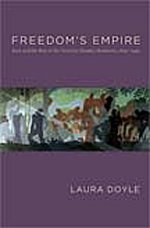
In this path-breaking work of scholarship, Laura Doyle reveals the central, formative role of race in the development of a transnational, English-language literature over three centuries. Identifying a recurring freedom plot, organized around an Atlantic Ocean crossing, Doyle shows how this plot structures the texts of both African-Atlantic and Anglo-Atlantic writers and how it takes shape by way of submerged intertextual exchanges between them. For Anglo-Atlantic writers, Doyle locates the origins of this narrative in the seventeenth century. She argues that Members of Parliament, religious refugees, and new Atlantic merchants together generated a racial rhetoric by which the English fashioned themselves as a "native," "freedom-loving," "Anglo-Saxon" people struggling against a foreign, tyrannical king.Stories of a near-ruinous yet triumphant Atlantic passage to freedom came to provide the narrative expression of this heroic Anglo-Saxon identity - in novels, memoirs, pamphlets, and national histories.At the same time, as Doyle traces, in figures such as Friday in Robinson Crusoe, and in gothic or seduction narratives of ruin and captivity, these texts covertly register, distort, or appropriate the black Atlantic experience. African-Atlantic authors seize back the freedom plot, placing their agency at the origin of both their own and whites' survival on the Atlantic. They also shrewdly expose the ways that, although their labour has provided the enabling conditions for Anglo-Atlantic liberty stories, African-Atlantic stories have been "framed" by that tradition.Doyle brings together authors often separated by nation, race, and period, including Aphra Behn, Eliza Haywood, Olaudah Equiano, Nathaniel Hawthorne, Harriet Wilson, Pauline Hopkins, George Eliot, and Nella Larsen. In so doing, she reassesses the strategies of early women novelists, reinterprets the significance of rape and incest in the novel, and measures the power of race in the modern English-language imagination.
作者简介
目录信息
读后感
用户评价
这本书最吸引我的地方,在于它那种近乎冷峻的现实主义笔触,却又蕴含着一丝不易察觉的浪漫主义内核。它没有一味地歌颂英雄主义,而是将个体在宏大历史洪流中的渺小与挣扎描绘得淋漓尽致。我特别留意了作者对环境和氛围的渲染,那种特定历史时期特有的压抑感或者短暂的欢愉,都被描摹得入木三分。文字的质感非常独特,既有古典文学的韵味,又不失现代叙事的简洁有力。读完后,我的情绪久久不能平复,不是因为情节的跌宕起伏,而是因为书中那些关于人性、关于选择、关于牺牲的沉重议题,一直在脑海中挥之不去。它像一面镜子,映照出人类文明发展中那些永恒的矛盾与探索,是一次令人肃然起敬的阅读体验。
这是一部需要慢下来细品的佳作,初读可能觉得信息量巨大,甚至有些烧脑,但正是这种密集的思想密度,才让它脱颖而出。它挑战了我们许多既有的认知框架,迫使我们去思考那些我们习以为常的“真理”背后的真正逻辑和代价。书中对于社会契约和个体自由之间关系的探讨,简直是教科书级别的深度。我尤其欣赏作者在处理道德灰色地带时的那种勇气和坦诚,没有给出简单的答案,而是将所有选择的复杂性和沉重感赤裸裸地呈现在我们面前。每一次阅读的暂停,都伴随着长时间的沉思,这本书的价值远远超出了故事本身,它更像是一场深刻的哲学辩论,让人在字里行间与作者进行着高强度的思维对话。
说实话,这本书的节奏感把握得相当到位,开篇的悬念设置得非常巧妙,一下子就把我牢牢地抓住了,让人迫不及待地想知道接下来会发生什么。作者的文字功底毋庸置疑,用词精准,句式多变,时而磅礴大气,如同史诗般铺陈开来;时而又细腻婉转,捕捉人物最细微的情感波动。尤其是一些关键场景的描写,简直可以称得上是电影级别的画面感,闭上眼睛都能清晰地“看到”那些壮观的景象或者紧张的对峙。我特别欣赏作者在叙事中保持的那种克制与爆发之间的张力,从不滥用煽情,但总能在关键时刻给予读者强烈的冲击。这种高级的叙事技巧,让这本书不仅仅是一部消遣之作,更像是一次对艺术的鉴赏过程,值得反复回味。
我通常不太喜欢篇幅过长的作品,但这本书完全是个例外。它的长度反而成了一种优势,因为它提供了足够的时间和空间来构建一个完整、自洽且逻辑严密的“小宇宙”。不同地域、不同阶层人物的视角转换非常流畅自然,每一个支线故事都服务于整体的主题,没有丝毫的拖沓感。我感觉作者对“时间”的理解非常深刻,书中对历史的跨度和个体生命的短暂的对比,营造出一种既沧桑又充满希望的独特氛围。在阅读过程中,我强烈感受到作者对细节的偏执,无论是服饰的材质、建筑的风格,还是特定历史时期的口头禅,都被考证得一丝不苟,这种极致的真实感,极大地增强了作品的说服力和沉浸感,让人完全信服于这个虚构的世界。
这本书简直是沉浸式的体验,我感觉自己完全被卷入了那个宏大的世界观之中。作者在描绘历史进程和社会结构的复杂性方面展现出了惊人的功力,每一个细节都打磨得非常到位,让人不得不佩服其深厚的学识和严谨的考据态度。我特别喜欢书中对权力运作机制的剖析,那种抽丝剥茧,层层深入的叙事方式,让原本晦涩难懂的政治哲学变得生动起来。读完之后,我感觉自己对现实世界中的很多现象都有了更深一层的理解,仿佛打开了一扇全新的认知之窗。角色的塑造也是一大亮点,他们不是扁平的符号,而是有着丰富内心挣扎和道德困境的个体,他们的选择和命运牵动着读者的心弦,让人在阅读过程中忍不住为之扼腕叹息或拍手称快。那种史诗般的厚重感和人性的微妙之处,在这本书里得到了完美的平衡,阅读体验极为丰富和满足。