
具体描述
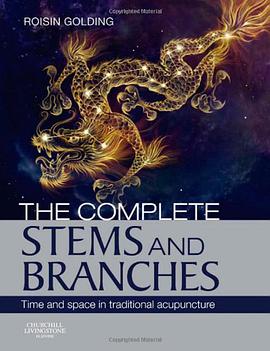
This exciting and comprehensive book gives a clear, detailed and accessible presentation of the core components of classical acupuncture, its philosophy as well as clinical applications. The cosmological Daoism prevalent during the Han dynasty provided a foundation for the emerging acupuncture theory. In particular, the central tenant that Heaven Earth and humanity were connected via their origins, yuan qi, allowed for resonance between them. Hence observable patterns in Heaven and on Earth were reflected in the body. Time measures the movements of heavenly bodies around earth. Concepts linked to time are woven into the fabric of acupuncture theory. Yin and yang interact and createthe five elements, whichare expressions of the qualities of the seasons. The number of main acupuncture points, flows of qi and blood, and even the meridian system itself,all has a relationship to time. By taking account of the specific time of treatment as well as the energetic makeup of the individual you, as a practitioner, will learn to treat in harmony with the Dao of the patient and the Dao of now. This book explores Heaven, Earth and Humanity, five phases, six divisions of yin and yang, in depth and with reference to classical sources. This is the first fully comprehensive book to explore all of the concepts involved in stems and branches theory and to deal with its wider application. Esoteric ideas which connect acupuncture with trigrams with numerology are examined. This is the first book to explore the significance of the Han sky systematically and in depth in relation to classical acupuncture. That each chapter covers philosophical theory and uses practical examples and exercise throughout marks this book out as unique among modern texts. Easy to follow and easy to use .
First fully comprehensive book to explore all of the concepts involved in Stems and Branches and to deal with its wider application. Clearly illustrated throughout to clarify concepts and present information in an accessible way. Applies theory to clinical practice through the use of practical examples and exercises. Fundamental principles outlined in a clear manner. Easy to follow and easy to use. Includes Glossary, Recommended Reading List, year charts and 'energy calculator' disk.
作者简介
目录信息
读后感
用户评价
这是一本需要用放大镜和耐心来对待的书。我不是植物学家,但出于对自然的好奇心而购入。虽然书中大量的技术细节和专业术语一开始让我有些吃力,但一旦你适应了它的节奏,你会发现那些描述如同精密的蓝图。例如,它对次生生长过程中形成层活动的详细解析,那种环环相扣、精密的调控机制,读起来有一种近乎于机械美学般的震撼。它不像那种通俗易懂的科普读物,它要求你付出努力去解码,但你所获得的回报是极其丰厚的——你将获得的是对生命过程最底层的理解。我周末常常泡在咖啡馆里,伴随着一杯浓缩咖啡,慢慢啃读其中一小节,那感觉就像是在进行一场智力上的攀登,每完成一个小小的理解的飞跃,都带来巨大的满足感。
说实话,我最初是带着一点怀疑翻开这本书的,因为市面上关于自然科学的“大部头”作品,十有八九会陷入冗余和自我重复的泥潭。但令人惊喜的是,这本书的结构组织得极其精妙。它似乎遵循了一种内在的逻辑流,从宏观的生长习性过渡到微观的组织学,每一个章节的衔接都像是精心编排的乐章,自然而然地将读者的注意力引向下一个知识点。我尤其欣赏作者在处理争议性理论时的平衡态度,他没有武断地下结论,而是清晰地列出不同学派的观点和支持的证据,让读者自己去权衡判断。这种开放且鼓励批判性思维的写作风格,是很多学术著作所缺乏的。它迫使你停下来,不仅仅是接受信息,而是要进行思考和比较,这对于提升学术素养是至关重要的。
我最近在整理我的园艺设计资料时,偶然接触到这本书的某一章节,立刻被它那种宏观与微观相结合的叙事方式所吸引。它不像那种只有干巴巴的分类学的书籍,它在描述不同科属的植物特征时,总是巧妙地穿插了它们在生态系统中所扮演的角色,以及人类历史上如何利用或改造这些植物的脉络。我特别喜欢它对“形态可塑性”那部分的论述,作者用大量实例说明了环境压力如何驱动植物的形态变化,这对于理解为什么同一物种在不同地区会长出截然不同的面貌,提供了极佳的理论支撑。读完后,我感觉自己看待路边的野草都带上了一种历史的厚重感和生态的敏感性,这本书的价值远远超出了单纯的知识传递,它在潜移默化中重塑了读者的世界观,让人对生命现象产生更丰富的联想。
这本书简直是植物学爱好者和专业人士的福音,我得说,它的深度和广度都超出了我的预期。从最基础的细胞结构到复杂的系统发育,作者似乎将所有能想到的知识点都囊括进去了。我尤其欣赏它在图示上的处理方式,那些精细的解剖图谱,即便是对于那些已经接触过相关知识很久的人来说,也能提供新的视角和更清晰的理解。它不仅仅是一本教科书,更像是一部详尽的参考手册,我常常在阅读其他文献或进行田间观察时,翻开它来核对某个特定的术语或结构特征。它的叙述语言既保持了科学的严谨性,又不失清晰流畅,让人在面对那些复杂的拉丁文术语时,也不会感到过于晦涩难懂。如果你对高等植物的形态发生和演化历史抱有浓厚的兴趣,这本书绝对值得你投入时间去细细品读,它会让你对植物的生命力产生更深层次的敬畏。
这本书的装帧和纸张质量本身就透露出一种对知识的尊重,厚实的纸张和清晰的印刷,即使是翻阅多次,也不会感到疲劳。然而,真正让我震撼的是其内容的系统性和跨学科的视野。它巧妙地将植物形态学与生理学、遗传学甚至古气候学联系起来,形成了一个多维度的知识网络。我发现它在解释某些结构如何抵抗逆境时,会追溯到遥远的演化历史,然后又立刻连接到现代分子生物学对相关基因的发现。这种时间跨度和学科深度的整合,使得这本书不仅仅是一本关于“植物结构”的书,它更像是一部关于“生命适应性”的宏大叙事。对于任何希望构建完整、立体知识体系的严肃学习者来说,这本书提供的基础框架是无与伦比的,它为你打下的地基,足以支撑后续任何更深入的研究和探索。