
具体描述
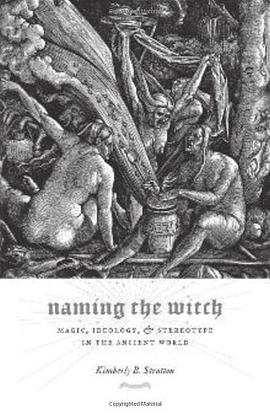
Kimberly B. Stratton investigates the cultural and ideological motivations behind early imaginings of the magician, the sorceress, and the witch in the ancient world. Accusations of magic could carry the death penalty or, at the very least, marginalize the person or group they targeted. But Stratton moves beyond the popular view of these accusations as mere slander. In her view, representations and accusations of sorcery mirror the complex struggle of ancient societies to define authority, legitimacy, and Otherness. Stratton argues that the concept "magic" first emerged as a discourse in ancient Athens where it operated part and parcel of the struggle to define Greek identity in opposition to the uncivilized "barbarian" following the Persian Wars. The idea of magic then spread throughout the Hellenized world and Rome, reflecting and adapting to political forces, values, and social concerns in each society. Stratton considers the portrayal of witches and magicians in the literature of four related periods and cultures: classical Athens, early imperial Rome, pre-Constantine Christianity, and rabbinic Judaism. She compares patterns in their representations of magic and analyzes the relationship between these stereotypes and the social factors that shaped them. Stratton's comparative approach illuminates the degree to which magic was (and still is) a cultural construct that depended upon and reflected particular social contexts. Unlike most previous studies of magic, which treated the classical world separately from antique Judaism, Naming the Witch highlights the degree to which these ancient cultures shared ideas about power and legitimate authority, even while constructing and deploying those ideas in different ways. The book also interrogates the common association of women with magic, denaturalizing the gendered stereotype in the process. Drawing on Michel Foucault's notion of discourse as well as the work of other contemporary theorists, such as Homi K. Bhabha and Bruce Lincoln, Stratton's bewitching study presents a more nuanced, ideologically sensitive approach to understanding the witch in Western history.
作者简介
目录信息
读后感
用户评价
我必须承认,我是在一个周五的晚上,在被工作折磨了一整天后,抱着“随便看看”的心态打开这本书的。结果,我的整个周末都被它牢牢地锁住了。这本书的魅力在于它的叙事视角非常独特,它似乎总是能抓住那些最不经意却又最能体现人性挣扎的瞬间。作者对角色动机的剖析达到了近乎残忍的精准度,你甚至能感觉到那些角色内心的矛盾和挣扎是如何一步步将他们推向既定命运的。我读到中间部分时,曾因为一个关键情节的转折而不得不放下书,去外面走了好久,试图消化那种强烈的情感冲击。这种不只是“看故事”而是“亲身经历”的感觉,是我近年来阅读体验中少有的。它的对话充满了张力,每一句看似寻常的交流背后都潜藏着巨大的信息量和未言明的暗流,需要读者非常专注地去捕捉。如果你期待那种情节简单、读完即忘的作品,那可能要失望了,这本书需要你付出思考和情感投入,但回报绝对是丰厚的。
这本书的整体基调是偏向沉郁和严肃的,但这并不意味着它毫无光亮。恰恰相反,在最黑暗的角落里,作者依然精准地捕捉到了那些微弱但坚韧的人性光辉。我欣赏作者没有选择走捷径,没有用廉价的“大团圆”来收场。结局的处理非常高级,它不是一个明确的答案,而更像是一个开放式的冥想,让读者带着角色留下的疑问和情感余韵,独自面对现实世界。读完最后一页时,我甚至感到了一种混合着失落和满足的复杂情绪。它不仅仅讲述了一个发生在地点的故事,它探讨的是关于记忆、权力以及时间对真相的腐蚀。这种对宏大主题的驾驭能力,加上它近乎诗意的语言风格,让这本书在我心中占据了相当高的位置。我强烈推荐给那些喜欢那种读完后需要安静坐很久,让书中的世界慢慢沉淀下来的读者。
坦白说,这本书的开篇并不算特别抓人眼球,它更像是一首慢板的序曲,需要一点耐心才能进入状态。但一旦进入了那个特定的氛围和世界观,你就很难再抽离了。最让我印象深刻的是作者对“边缘化”群体的描绘。那些被社会遗弃、被误解甚至被恐惧笼罩的角色,他们的痛苦和坚持被描绘得极其真实和感同身受。我能清晰地感受到,作者并非是在猎奇或贩卖苦难,而是在真诚地探讨偏见是如何形成、又是如何摧毁一个人的。这本书成功地挑战了我们对于“常态”的固有认知,迫使我们去思考,在那些历史的阴影下,究竟谁才是真正的异类。这种对社会议题的深刻反思,使得这本书的价值远远超出了一个单纯的故事范畴,它更像是一面镜子,映照出我们自身社会的某些隐疾。
这本书的封面设计简直是一场视觉盛宴,那种深邃的蓝色调配上精致的烫金字体,让人一拿到手就忍不住想要立刻翻开。我一直对那种带有神秘色彩的传说和历史背景的故事情有独钟,这本书的标题本身就充满了引人遐想的空间,让人立刻联想到中世纪欧洲那些晦暗的森林和古老的教义。初读几页,作者的笔触细腻得惊人,他对环境的描绘简直能让你闻到空气中泥土和潮湿苔藓的味道。叙事节奏把握得恰到好处,既不拖沓,也不至于快得让人抓不住重点。我特别欣赏他如何巧妙地将时代背景融入人物的日常对话中,那些细微的文化冲突和生活细节,让整个故事的质感瞬间提升了好几个层次。我原本以为这会是一本情节大开大合的冒险小说,但它更多的是一种深入角色内心的心理探索,那种缓慢渗透的压抑感,让人在阅读过程中既感到震撼,又难以释卷。整体来说,它成功地营造了一种既熟悉又疏远的,充满历史厚重感的氛围,非常适合喜欢沉浸式阅读体验的读者。
从文学技巧的角度来看,这本书的结构安排堪称教科书级别。它采用了多线叙事,但巧妙之处在于,每一条线索在看似独立发展的同时,又都在潜移默化中互相影响和交织。我特别关注了作者是如何处理时间线推进的,有时是快速闪回,有时是慢镜头般的细致铺陈,这种节奏的错落有致,让故事充满了动态的美感。我个人对那些过于直白地解释一切的作者不太感冒,而这本书的高明之处在于,它大量留白,把解释和推理的空间交给了读者。很多时候,你以为你理解了某个角色的行为,但随着后续情节的展开,你会发现自己之前的判断完全被颠覆了。这种不断自我修正的阅读过程,极大地增强了阅读的趣味性。此外,书中对于某些象征符号的使用,也极其考究,暗示了超越故事表层的更深层主题,值得反复品味。