
具体描述
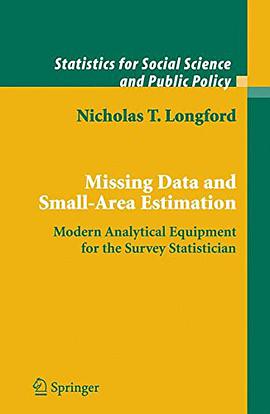
This book develops methods for two key problems in the analysis of large-scale surveys: dealing with incomplete data and making inferences about sparsely represented subdomains. The presentation is committed to two particular methods, multiple imputation for missing data and multivariate composition for small-area estimation. The methods are presented as developments of established approaches by attending to their deficiencies. Thus the change to more efficient methods can be gradual, sensitive to the management priorities in large research organisations and multidisciplinary teams and to other reasons for inertia. The typical setting of each problem is addressed first, and then the constituency of the applications is widened to reinforce the view that the general method is essential for modern survey analysis. The general tone of the book is not "from theory to practice," but "from current practice to better practice." The third part of the book, a single chapter, presents a method for efficient estimation under model uncertainty. It is inspired by the solution for small-area estimation and is an example of "from good practice to better theory." A strength of the presentation is chapters of case studies, one for each problem. Whenever possible, turning to examples and illustrations is preferred to the theoretical argument. The book is suitable for graduate students and researchers who are acquainted with the fundamentals of sampling theory and have a good grounding in statistical computing, or in conjunction with an intensive period of learning and establishing one's own a modern computing and graphical environment that would serve the reader for most of the analytical work in the future. While some analysts might regard data imperfections and deficiencies, such as nonresponse and limited sample size, as someone else's failure that bars effective and valid analysis, this book presents them as respectable analytical and inferential challenges, opportunities to harness the computing power into service of high-quality socially relevant statistics. Overriding in this approach is the general principle-to do the best, for the consumer of statistical information, that can be done with what is available. The reputation that government statistics is a rigid procedure-based and operation-centred activity, distant from the mainstream of statistical theory and practice, is refuted most resolutely. After leaving De Montfort University in 2004 where he was a Senior Research Fellow in Statistics, Nick Longford founded the statistical research and consulting company SNTL in Leicester, England. He was awarded the first Campion Fellowship (2000-02) for methodological research in United Kingdom government statistics. He has served as Associate Editor of the Journal of the Royal Statistical Society, Series A, and the Journal of Educational and Behavioral Statistics and as an Editor of the Journal of Multivariate Analysis. He is a member of the Editorial Board of the British Journal of Mathematical and Statistical Psychology. He is the author of two other monographs, Random Coefficient Models (Oxford University Press, 1993) and Models for Uncertainty in Educational Testing (Springer-Verlag, 1995). From the reviews: "Ultimately, this book serves as an excellent reference source to guide and improve statistical practice in survey settings exhibiting these problems." Psychometrika "I am convinced this book will be useful to practitioners...[and a] valuable resource for future research in this field." Jan Kordos in
作者简介
目录信息
读后感
用户评价
总的来说,这本书成功地构建了一个既深入理论又兼顾应用局限性的分析框架。它并没有试图提供一套“万能公式”,而是更侧重于教会读者如何批判性地看待现有工具,尤其是在数据质量参差不齐的环境下。作者在处理“模型选择”的部分时,展现了一种近乎诗意的审慎,他强调选择过程本身的不确定性,而不是盲目追求一个“最优”模型。这种对不确定性的坦然接受,使得全书的基调非常成熟和可靠。行文节奏上,作者似乎非常尊重读者的智力水平,他极少使用口语化的表达,而是用一种高度提炼的、近乎宣言式的语言来阐述复杂的见解。读完这本书,我感觉自己像是经历了一场严酷的智力训练,虽然过程充满挑战,但最终的收获是建立在一个更为坚固和现实的统计学基础之上的。这本书无疑是领域内的重要参考,但它更适合那些已经拥有一定专业背景,并渴望在方法论上寻求突破的进阶读者。
这本书的插图和图表设计,也是一个值得讨论的重点。它们大多是黑白的、功能性的,目的性极强,没有花哨的颜色或三维渲染,纯粹是为了展示数学关系或模拟结果的分布形态。这风格非常符合传统计量经济学或统计学著作的审美,强调内容的纯粹性。作者似乎有意避开了所有可能分散注意力的视觉元素,让读者的注意力完全集中在数据背后的机制上。在介绍某种估计量的效率时,作者会提供一系列详尽的数值模拟结果,这些表格数据密密麻麻,但通过精心设计的列名和脚注,你能清晰地追踪到不同假设条件下的性能差异。然而,正是这种极端的务实主义,使得这本书在作为教学辅助材料时略显不足,对于初学者而言,他们可能需要更多的可视化工具来直观地建立概念,而不仅仅是依赖于文字和纯数字的表格来构建心智模型。这种“信者得度”的论述方式,非常考验读者的数学直觉和抽象思维能力。
这本书的封面设计倒是挺有意思的,那种略显陈旧的米黄色纸张质感,配上深沉的靛蓝色字体,给人一种沉甸甸的学术气息,好像随便翻开一页都能遇到什么不得了的数学公式。我原本是冲着书名里那个“小区域估计”来的,想着能找到一些解决现实世界中数据稀疏问题的妙招,毕竟在很多实际应用场景里,我们手头的数据往往是不完整的,或者只覆盖了很窄的范围。这本书的排版很紧凑,几乎没有多余的留白,这对于追求效率的读者来说是个优点,但对于我这种喜欢在阅读时做大量批注的人来说,有时候会觉得有点拥挤。作者的行文风格非常严谨,每一个论点的提出都伴随着详尽的背景介绍和理论支撑,让人感觉作者对该领域的历史脉络了如指掌。我花了好大力气才啃完了开篇关于基础统计推断的部分,感觉像是在重温大学概率论的高级课程,虽然基础扎实,但对于急于看到“干货”的实操人员来说,初期会略显枯燥。特别是那些关于渐近性质的证明,读起来需要极高的专注度,稍有走神就可能跟不上作者的思路。不过,一旦你进入了作者设定的逻辑框架,你会发现,他构建的理论大厦是多么的宏伟和自洽。
我必须承认,我对于书中关于“贝叶斯层次模型”的讨论略感失望,并不是说作者讲得不好,而是它似乎没有达到我期望的那种前沿探索的高度。作者主要聚焦于如何利用已有的先验信息来稳定小样本估计,这部分内容处理得无可挑剔,逻辑链条严密得像瑞士钟表。但是,书中对于近年来兴起的基于计算的近似推断方法(比如MCMC的变种在处理高维和非标准模型时的应用)着墨不多,这让这本书在面向当前数据科学实践时,显得稍微滞后了一点。这本书的语言风格偏向于欧洲古典学术的严谨,句子结构常常很长,从句嵌套较多,这要求读者必须进行精读,否则很容易在冗长的句子中丢失主谓宾之间的关系。我尝试用略读的方式来加快进度,结果发现错过了几个关键的限定词,导致对整个段落的理解出现了偏差。所以,如果你想快速浏览,这本书可能会让你感到挫败,它更像是一篇需要被“解剖”的学术专著,而不是一本可以放松阅读的指南。
这本书的章节组织结构,说实话,一开始让我有点摸不着头脑,它不像那种标准的教科书,上来就从最简单的模型讲起,然后逐步深入。它更像是将不同层面的方法论并置,然后通过一些看似跳跃的例子来串联起来,这要求读者必须具备一定的预备知识储备,否则很容易在章节间的跳转中迷失方向。我尤其欣赏其中一个关于“信息融合”的章节,它没有过多纠结于某一种特定算法的优劣,而是从哲学的角度探讨了如何科学地合并来自不同来源、不同质量的数据集。作者在这里运用了一些非常精妙的语言来描述这种融合过程中的“信任度分配”问题,让我对传统加权平均的方法有了更深层次的反思。文字风格上,这本书的作者似乎有一种独特的幽默感,隐藏在那些极其正式的学术术语之下,偶尔出现的比喻或反问,虽然不那么显眼,却能瞬间击中读者的痛点,让人会心一笑,随即又被拉回到严肃的讨论中。这种张弛有度的叙事节奏,使得长时间的深度阅读不至于让人感到完全的疲惫,反而会因为这些小小的“惊喜”而保持警觉。