
具体描述
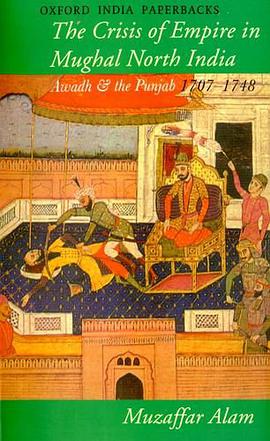
The period following the death of Aurangzeb has usually been viewed from the perspective of the decline and subsequent decay of the Mughal empire. This study emphasizes that the period 1707-1748 saw the emergence of a new order with local and regional idioms, even though echoes from the imperial period continued to be heard.
作者简介
目录信息
读后感
In the process of tracing the evolution of capitalism, I have bumped into the debate regarding the origins of capitalism. I have researched on hundis and commercial classes in colonial India and avoided using the word “capitalism” in the writing process. ...
In the process of tracing the evolution of capitalism, I have bumped into the debate regarding the origins of capitalism. I have researched on hundis and commercial classes in colonial India and avoided using the word “capitalism” in the writing process. ...
In the process of tracing the evolution of capitalism, I have bumped into the debate regarding the origins of capitalism. I have researched on hundis and commercial classes in colonial India and avoided using the word “capitalism” in the writing process. ...
In the process of tracing the evolution of capitalism, I have bumped into the debate regarding the origins of capitalism. I have researched on hundis and commercial classes in colonial India and avoided using the word “capitalism” in the writing process. ...
In the process of tracing the evolution of capitalism, I have bumped into the debate regarding the origins of capitalism. I have researched on hundis and commercial classes in colonial India and avoided using the word “capitalism” in the writing process. ...
用户评价
坦白说,这本书的**理论框架和概念提炼**,为我理解当代许多社会转型期现象提供了新的工具箱。它超越了单纯的“历史回顾”,而更像是一份关于**“大型复杂系统失稳的案例研究”**。作者对“权力渗透性”概念的运用,尤其具有启发性——即帝国权威如何从核心向边缘逐渐变得稀薄、模糊,最终让渡给半自主的次级权力持有者。这种从“中心控制”到“边缘自主”的权力转移过程,被描绘得极其微妙,没有简单的“好人”与“坏人”之分,只有在特定历史条件下的理性选择与无奈。阅读完后,我发现自己看待当前世界政治动态的目光也变得更加审慎,更能关注那些**“看不见的权力管道”**是如何在看似稳定之下悄然被重塑和截断的。这本书的价值,正在于它教会我们如何去观察“正在发生但尚未被命名”的结构性变化。
这本书的**文献功力**实在令人叹服,它在很大程度上拓宽了我对一手资料的理解边界。与一些侧重于政治人物传记或宏观经济数据的著作不同,作者似乎花费了巨大的精力去梳理那些**被主流历史叙事所忽略的法律文书和宗教土地记录**。这种深挖地基的做法,使得书中对社会经济基础的描述,具有非凡的扎实感。我特别赞赏作者对**身份政治和族群关系**在帝国晚期如何被重新定义和利用的分析。它清晰地展示了,在政治真空出现时,宗教和血缘纽带如何迅速成为组织抵抗或获取利益的新工具。阅读过程像是在进行一次精密的考古发掘,每挖掘一层,都能看到更早、更深层的社会肌理是如何运作和被重塑的。这绝不是一本可以轻松翻阅的书,它需要读者带着审慎和耐心,去品味每一个细节所承载的历史重量。
读完这本书,我最大的感受是**一种近乎残酷的现实主义**。作者毫不留情地揭示了盛世表象下的结构性矛盾。那种对权力衰退过程的描绘,精准得令人心惊,仿佛是在解剖一具正在缓慢失去活力的躯体。我特别被书中关于**地方治理碎片化**的论述所吸引。它不仅仅是关于“衰落”,更是关于“重组”——那些原先被帝国有效吸纳和控制的边缘地带,是如何在中央力量减弱后,发展出自身独特的地方性政治生态和经济网络。这种对**“次级权力中心”**兴起的强调,为理解后莫卧儿时代的印度历史提供了至关重要的钥匙。行文风格上,它保持了一种克制的学术严谨性,但在关键转折点上,却能爆发出强大的**思想冲击力**,迫使读者重新审视自己对“统一”与“解体”的传统认知。
这本书的叙事节奏,有一种**独特的、渐进式的紧迫感**。它不像那些戏剧性很强的历史著作那样开篇就抛出惊天动地的冲突,而是通过对一系列**微小、持续的压力点**的累积描绘,慢慢地将读者带入一个无可挽回的境地。对我而言,这种对“慢性病”的诊断,比急性病的发作更为深刻。尤其是在描述**军事技术与财政能力之间的脱节**时,作者的论述精妙地捕捉了技术进步在缺乏相应社会和财政支持时,如何成为一种负担而非助力。书中对不同区域反应差异的对比分析,也十分精彩,它拒绝将“莫卧儿北印度”视为一个铁板一块的整体,而是细致区分了不同省份在面对同一场系统性危机时的**路径依赖和适应策略**。这种细腻的地理政治学视角,让整个研究对象鲜活起来。
这部历史著作,在我读完之后,留下的印象是**宏大叙事与微观史实的精妙结合**。作者似乎拥有一种魔力,能够将那些尘封已久的档案和地方志,转化为生动鲜活的画面。我尤其欣赏它对权力结构变迁的洞察,不仅仅停留在朝廷的更迭上,而是深入到地方精英阶层与中央权威之间的复杂博弈。书中对税收制度的演变及其如何催生社会动荡的分析,细致入微,让我看到了一个庞大帝国在面对内部张力时是如何一步步走向失衡的。它没有采用那种僵硬的、预设结论的论述方式,而是通过对一系列具体事件和人物命运的描摹,引导读者自己去构建对那个时代复杂性的理解。整体阅读体验是**沉浸式的**,仿佛置身于那个充满不确定性的转型期,耳边充斥着官僚的争吵和农民的叹息。对于那些希望跳出传统帝国兴衰叙事框架的读者来说,这本书无疑提供了一个更为**立体和动态**的视角。
Skimmed it. The definitive work on the eighteenth century Mughal "decline"/"decentralization". New introduction to second edition is especially good in its use of literary materials and discussion of newly emerging social/cultural trends (2013). | Somewhat resonates with Philip Kuhn's first book on militarism and decentralization.
Skimmed it. The definitive work on the eighteenth century Mughal "decline"/"decentralization". New introduction to second edition is especially good in its use of literary materials and discussion of newly emerging social/cultural trends (2013). | Somewhat resonates with Philip Kuhn's first book on militarism and decentralization.
Skimmed it. The definitive work on the eighteenth century Mughal "decline"/"decentralization". New introduction to second edition is especially good in its use of literary materials and discussion of newly emerging social/cultural trends (2013). | Somewhat resonates with Philip Kuhn's first book on militarism and decentralization.
Skimmed it. The definitive work on the eighteenth century Mughal "decline"/"decentralization". New introduction to second edition is especially good in its use of literary materials and discussion of newly emerging social/cultural trends (2013). | Somewhat resonates with Philip Kuhn's first book on militarism and decentralization.
Skimmed it. The definitive work on the eighteenth century Mughal "decline"/"decentralization". New introduction to second edition is especially good in its use of literary materials and discussion of newly emerging social/cultural trends (2013). | Somewhat resonates with Philip Kuhn's first book on militarism and decentralization.