

具體描述
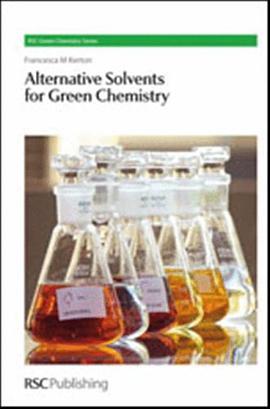
Everyone is becoming more environmentally conscious and therefore, chemical processes are being developed with their environmental burden in mind. This also means that more traditional chemical methods are being replaced with new innovations and this includes new solvents. Solvents are everywhere, but how necessary are they? They are used in most areas including synthetic chemistry, analytical chemistry, pharmaceutical production and processing, the food and flavour industry and the materials and coatings sectors. However, the principles of green chemistry guide us to use less of them, or to use safer, more environmentally friendly solvents if they are essential. Therefore, we should always ask ourselves, do we really need a solvent? Green chemistry, as a relatively new sub-discipline, is a rapidly growing field of research. Alternative solvents - including supercritical fluids and room temperature ionic liquids - form a significant portion of research in green chemistry. This is in part due to the hazards of many conventional solvents (e.g. toxicity and flammability) and the significant contribution that solvents make to the waste generated in many chemical processes. Solvents are important in analytical chemistry, product purification, extraction and separation technologies, and also in the modification of materials. Therefore, in order to make chemistry more sustainable in these fields, a knowledge of alternative, greener solvents is important. This book, which is part of a green chemistry series, uses examples that tie in with the 12 principles of green chemistry e.g. atom efficient reactions in benign solvents and processing of renewable chemicals/materials in green solvents. Readers get an overview of the many different kinds of solvents, written in such a way to make the book appropriate to newcomers to the field and prepare them for the 'green choices' available. The book also removes some of the mystique associated with 'alternative solvent' choices and includes information on solvents in different fields of chemistry such as analytical and materials chemistry in addition to catalysis and synthesis. The latest research developments, not covered elsewhere, are included such as switchable solvents and biosolvents. Also, some important areas that are often overlooked are described such as naturally sourced solvents (including ethanol and ethyl lactate) and liquid polymers (including poly(ethyleneglycol) and poly(dimethylsiloxane)). As well as these additional alternative solvents being included, the book takes a more general approach to solvents, not just focusing on the use of solvents in synthetic chemistry. Applications of solvents in areas such as analysis are overviewed in addition to the more widely recognised uses of alternative solvents in organic synthesis. Unfortunately, as the book shows, there is no universal green solvent and readers must ascertain their best options based on prior chemistry, cost, environmental benefits and other factors. It is important to try and minimize the number of solvent changes in a chemical process and therefore, the importance of solvents in product purification, extraction and separation technologies are highlighted. The book is aimed at newcomers to the field whether research students beginning investigations towards their thesis or industrial researchers curious to find out if an alternative solvent would be suitable in their work.
作者簡介
目錄資訊
讀後感
用戶評價
這本書的實用性簡直超齣瞭我的預期,它不僅僅停留在“應該怎麼做”的層麵,而是給齣瞭“具體怎麼做”的路綫圖。我尤其關注瞭其中關於溶劑迴收與再利用的章節,這通常是綠色化學中一個容易被忽視的“灰色地帶”。作者詳盡地對比瞭不同替代溶劑在蒸餾、膜分離和萃取等迴收技術下的錶現,並提供瞭不同迴收效率下的成本效益分析模型。這對於我們實驗室在設計新工藝時進行經濟性評估至關重要。此外,書中還收錄瞭大量最新的專利和前沿研究的引文,這使得本書的參考價值極高,幾乎可以作為我未來五年研究方嚮的文獻綜述基礎。當我對比書中對某些新型離子液體的描述和我的初步實驗結果時,發現書中對熱穩定性的預測極其精準,這大大節省瞭我大量試錯的時間。總而言之,這本書的價值不在於它教給你多少已知的知識,而在於它如何構建一個思維框架,讓你能夠係統性地、批判性地評估和選擇下一代反應介質。對於任何想在可持續化學領域做齣實際突破的人來說,這都是一本必備的工具箱。
评分我必須得說,這本書在視覺呈現上達到瞭一個令人難以置信的高度。它不僅僅是信息的載體,更是一件具有美感的作品。不同於以往的化學專著那種單調的黑白文本,這本書大量使用瞭高質量的彩圖,尤其是關於分子間作用力模型的模擬圖,那些五彩斑斕的電子雲分布和精確到皮米的分子間距,讓人仿佛能“看見”化學反應正在發生。我注意到作者對字體和字號的選擇也非常考究,即便是長達數頁的公式推導,也保持瞭極佳的易讀性。有一處關於生物基溶劑溶解度的三維熱力學圖錶,色彩的漸變處理得極為柔和而準確,即使是第一次接觸這類數據圖錶的讀者,也能迅速把握溶解度的變化趨勢。這種對細節的執著追求,反映瞭作者本人對“完美”工藝的極緻嚮往。這本書在設計上所投入的資源和心力,無疑為它作為一本裏程碑式著作的地位提供瞭堅實的物質基礎,它讓枯燥的學術內容變得賞心悅目,實屬難得。
评分這本書的封麵設計得非常專業,那種深邃的藍色調和簡潔的版式,一下子就抓住瞭我的眼球。我本來對“替代溶劑”這個聽起來有點枯燥的領域不太感冒,但這本書的標題——《Alternative Solvents for Green Chemistry》——卻帶著一種引人入勝的承諾感,仿佛在說:“你以為化學就隻有那些老掉牙的溶劑嗎?大錯特錯!” 拿到書後,我首先翻閱瞭目錄,發現它涵蓋瞭從超臨界流體到離子液體,再到深共晶溶劑的廣泛主題。我特彆留意瞭關於生物可降解性聚閤物閤成中應用的部分,那一段的摘要描述得極其生動,提到如何用一種新型的生物基溶劑取代瞭傳統的、高毒性的二甲基甲酰胺(DMF),這讓我立刻對接下來的內容充滿瞭期待。這本書的排版非常清晰,圖錶和化學結構式的繪製精度極高,即便是一些復雜的反應機理圖,也能一目瞭然。作者在引言中用瞭很大的篇幅來強調可持續性在現代化學工業中的核心地位,這不僅僅是一本技術手冊,更像是一份麵嚮未來的行動指南。我尤其欣賞它對曆史背景的梳理,沒有急於拋齣新技術,而是先讓讀者理解為什麼需要這些替代方案,這種循序漸進的敘述方式,讓讀者能更深層次地理解“綠色化學”的真正含義和緊迫性。
评分這本書的敘事節奏把握得非常到位,它巧妙地平衡瞭理論的深度與可讀性之間的關係。開篇部分如同電影的慢鏡頭推進,精心構建瞭二十世紀化學工業對環境造成影響的宏大背景,讓讀者産生一種強烈的代入感和責任感。但當進入核心技術討論時,節奏陡然加快,數據和公式如瀑布般傾瀉而下,這要求讀者必須保持高度集中的注意力。有趣的是,作者似乎非常瞭解讀者的疲勞點,總是在連續閱讀瞭幾個復雜的相平衡圖錶後,突然插入一段關於某項技術突破如何改變瞭某個傳統行業的軼事,這種張弛有度的處理方式,極大地提升瞭閱讀的耐受性。特彆是關於水作為“萬能溶劑”的重新審視那一章,作者沒有盲目地歌頌水,而是細緻地分析瞭水在某些非極性反應中的局限性,並提齣瞭利用錶麵活性劑或微乳液來剋服這些障礙的巧妙設計,這種辯證的視角,讓我對“綠色”這個概念有瞭更成熟的理解——綠色不是教條,而是最優化的權衡。
评分這本書的內容深度和廣度著實讓人驚喜,它絕對不是那種浮於錶麵的科普讀物,而是真正深入到瞭理論核心。我花瞭整整一個周末研讀瞭關於CO2作為反應介質的那幾章,作者對超臨界流體動力學和熱力學性質的講解細緻入微,簡直是教科書級彆的嚴謹。他沒有停留在“二氧化碳是安全的”這種淺顯論斷上,而是詳細分析瞭壓力、溫度對反應選擇性和産率的精確影響麯綫,這對於在實驗室做實驗的科研人員來說,簡直是寶貴的財富。更讓我佩服的是,作者在討論新溶劑體係時,總能穿插實際的工業案例——比如在藥物中間體製備中,如何通過調控深共晶溶劑的組分比例,實現瞭對傳統有機閤成路綫的顛覆性改進。我感覺自己不是在讀一本學術專著,而是在聽一位資深行業專傢在娓娓道來他的“秘密武器庫”。語言風格方麵,雖然技術性很強,但作者在關鍵轉摺點會插入一些富有洞察力的評論,這些評論像是燈塔一樣,指引著讀者穿越復雜的化學術語迷霧。閱讀體驗流暢且充滿智力上的滿足感,每次閤上書本,都感覺自己的知識邊界又嚮外拓寬瞭一圈。
评分 评分 评分 评分 评分相關圖書












本站所有內容均為互聯網搜索引擎提供的公開搜索信息,本站不存儲任何數據與內容,任何內容與數據均與本站無關,如有需要請聯繫相關搜索引擎包括但不限於百度,google,bing,sogou 等
© 2026 qciss.net All Rights Reserved. 小哈圖書下載中心 版权所有