
具体描述
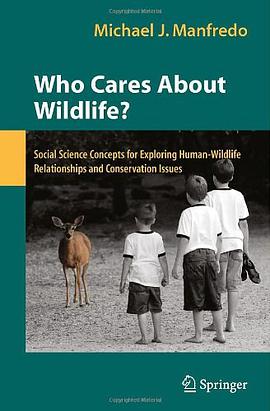
Who Cares About Wildlife? integrates social science theory in order to provide a conceptual structure for understanding and studying human interaction with wildlife. A thorough review of the current literature in conceptual areas, including norms, values, attitudes, emotions, wildlife value orientations, cultural change, and evolutionary forces/inherited tendencies is provided, and the importance of these areas in studying human-wildlife relationships is highlighted. No other book both considers the human relationship with wildlife and provides a theoretical framework for understanding this relationship on the individual, as well as cultural level. Who Cares About Wildlife? will be valuable both to students and to practitioners in wildlife management and conservation, as well those interested in the human relationship with wildlife, natural resources, and the environment.
作者简介
目录信息
Introduction . . . . . . . . . . . . . . . . . . . . . . . . . . . . . . . . . . . . . . . . . . . . 1
Wildlife-Associated Recreation and Tourism . . . . . . . . . . . . . . . . . 2
Human-Wildlife Conflict . . . . . . . . . . . . . . . . . . . . . . . . . . . . . . . . 5
Wildlife Disease. . . . . . . . . . . . . . . . . . . . . . . . . . . . . . . . . . . . . . . . 6
The Condition of Wildlife and the Environment . . . . . . . . . . . . . . 8
Conclusion. . . . . . . . . . . . . . . . . . . . . . . . . . . . . . . . . . . . . . . . . . . . 10
The Human Dimensions of Wildlife . . . . . . . . . . . . . . . . . . . . . . . . . . 10
Human Dimensions as Part of the Wildlife Management Tradition of North America . . . . . . . . . . . . . . . . . . . . . . . . . . 11
Broadening the Interest in Human Dimensions of Wildlife . . . . . . 13
Why a Human Dimensions Approach to Wildlife Conservation and Management? . . . . . . . . . . . . . . . . . . . . . . . . . . . . . . . . . . 15
Why This Book? . . . . . . . . . . . . . . . . . . . . . . . . . . . . . . . . . . . . . . . . . 20
Concepts for Examining Human–Wildlife Relationships. . . . . . . . 20
Conclusion . . . . . . . . . . . . . . . . . . . . . . . . . . . . . . . . . . . . . . . . . . . . . 22
Summary . . . . . . . . . . . . . . . . . . . . . . . . . . . . . . . . . . . . . . . . . . . . . . . 22
References . . . . . . . . . . . . . . . . . . . . . . . . . . . . . . . . . . . . . . . . . . . . . . 23
2 The Biological Context of Wildlife Values: Are There Etchings on the Slate?. . . . . . . . . . . . . . . . . . . . . . . . . . . . . . . . . . . . . . . . . . . . . 29
Introduction . . . . . . . . . . . . . . . . . . . . . . . . . . . . . . . . . . . . . . . . . . . . 29
A Short History of Biology and the Social Sciences . . . . . . . . . . . . . . 30
The Biological Basis for Human Values Toward Wildlife: A Pleistocene Psychology?. . . . . . . . . . . . . . . . . . . . . . . . . . . . . . 31
Killer Apes . . . . . . . . . . . . . . . . . . . . . . . . . . . . . . . . . . . . . . . . . . . 32
Biophilia . . . . . . . . . . . . . . . . . . . . . . . . . . . . . . . . . . . . . . . . . . . . . 34
Anthropomorphizing . . . . . . . . . . . . . . . . . . . . . . . . . . . . . . . . . . . 37
Behavioral Genetics: A Mechanism for Biological Influence on Human Thought and Behavior . . . . . . . . . . . . . . . . . . . . . . . 39
Psychopathology and Personality . . . . . . . . . . . . . . . . . . . . . . . . . . 39
Heritability of Values and Attitudes . . . . . . . . . . . . . . . . . . . . . . . . 40
Attitudes Toward Wildlife and Wildlife Values . . . . . . . . . . . . . . . 41
Conclusion . . . . . . . . . . . . . . . . . . . . . . . . . . . . . . . . . . . . . . . . . . . . . 42
Key Points Regarding the Biological Basis of Human–Wildlife Interactions . . . . . . . . . . . . . . . . . . . . . . . . . . . . . . . . . . . . . . . . . 43
Management Implications . . . . . . . . . . . . . . . . . . . . . . . . . . . . . . . . . 44
References . . . . . . . . . . . . . . . . . . . . . . . . . . . . . . . . . . . . . . . . . . . . . . 45
3 Understanding the Feeling Component of Human–Wildlife Interactions . . . . . . . . . . . . . . . . . . . . . . . . . . . . . . . . . . . . . . . . . . . . . 49
Introduction . . . . . . . . . . . . . . . . . . . . . . . . . . . . . . . . . . . . . . . . . . . . 49
Emotions Are Part of Affect . . . . . . . . . . . . . . . . . . . . . . . . . . . . . . . . 51
Types of Emotions . . . . . . . . . . . . . . . . . . . . . . . . . . . . . . . . . . . . . 52
Conceptual Approaches to Emotions . . . . . . . . . . . . . . . . . . . . . . . 52
Emotions and Cognitions . . . . . . . . . . . . . . . . . . . . . . . . . . . . . . . . . . 58
Effects of Emotion on Memory . . . . . . . . . . . . . . . . . . . . . . . . . . . 59
Emotion’s Effects on Decision Processes . . . . . . . . . . . . . . . . . . . . 59
Emotions and Attitude Change . . . . . . . . . . . . . . . . . . . . . . . . . . . 61
Emotions and Norms . . . . . . . . . . . . . . . . . . . . . . . . . . . . . . . . . . . 63
Emotions and Values . . . . . . . . . . . . . . . . . . . . . . . . . . . . . . . . . . . 64
Emotions and Wildlife Value Orientations . . . . . . . . . . . . . . . . . . . 65
Emotions, Health Effects, and Interactions with Wildlife . . . . . . . 66
Summary . . . . . . . . . . . . . . . . . . . . . . . . . . . . . . . . . . . . . . . . . . . . . . . 68
Management Implications . . . . . . . . . . . . . . . . . . . . . . . . . . . . . . . . . 68
Summary Points About Emotion . . . . . . . . . . . . . . . . . . . . . . . . . . . . 69
References . . . . . . . . . . . . . . . . . . . . . . . . . . . . . . . . . . . . . . . . . . . . . . 70
4 Attitudes and the Study of Human Dimensions of Wildlife. . . . . . . . . . 75
Introduction . . . . . . . . . . . . . . . . . . . . . . . . . . . . . . . . . . . . . . . . . . . . 76
Defining Attitudes. . . . . . . . . . . . . . . . . . . . . . . . . . . . . . . . . . . . . . . . 78
How We Measure Attitudes . . . . . . . . . . . . . . . . . . . . . . . . . . . . . . 79
What Functions Do Attitudes Serve? . . . . . . . . . . . . . . . . . . . . . . . . . 81
The Object-Appraisal Function . . . . . . . . . . . . . . . . . . . . . . . . . . . 81
The Value-Expressive Function . . . . . . . . . . . . . . . . . . . . . . . . . . . 82
The Social-Adjustment Function . . . . . . . . . . . . . . . . . . . . . . . . . . 82
The Ego-Defensive Function . . . . . . . . . . . . . . . . . . . . . . . . . . . . . 82
Topics in Attitude Theory. . . . . . . . . . . . . . . . . . . . . . . . . . . . . . . . . . 83
Attitudes Are Consistent with Other Attitudes and Beliefs . . . . . . 83
Attitudes Are the Result of Behavior . . . . . . . . . . . . . . . . . . . . . . . 84
Attitudes Are the Proximate Cause of Behavior. . . . . . . . . . . . . . . 85
At Times, Attitudes Do Not Affect Behavior. . . . . . . . . . . . . . . . . 86
There Are Two Types of Attitudes, and They Can Be Contradictory. . . . . . . . . . . . . . . . . . . . . . . . . . . . . . . . . . . . . . 87
Attitude Theory Applied in Human Dimensions of Wildlife . . . . . . . 89
Descriptive Approaches . . . . . . . . . . . . . . . . . . . . . . . . . . . . . . . . . 90
Theoretical Approaches . . . . . . . . . . . . . . . . . . . . . . . . . . . . . . . . . 90
Stated Choice Models . . . . . . . . . . . . . . . . . . . . . . . . . . . . . . . . . . . 91
The Theory of Reasoned Action and the Theory of Planned Behavior . . . . . . . . . . . . . . . . . . . . . . . . . . . . . . . . . . . . . . . . . . 92
Factors Affecting Attitude–Behavior Relationships. . . . . . . . . . . . . . 92
Specificity . . . . . . . . . . . . . . . . . . . . . . . . . . . . . . . . . . . . . . . . . . . . 93
Salience . . . . . . . . . . . . . . . . . . . . . . . . . . . . . . . . . . . . . . . . . . . . . . 93
Attitude Strength. . . . . . . . . . . . . . . . . . . . . . . . . . . . . . . . . . . . . . . 94
Conclusion. . . . . . . . . . . . . . . . . . . . . . . . . . . . . . . . . . . . . . . . . . . . 96
Summary . . . . . . . . . . . . . . . . . . . . . . . . . . . . . . . . . . . . . . . . . . . . . . . 96
Management Implications . . . . . . . . . . . . . . . . . . . . . . . . . . . . . . . . . 97
Summary Points About Attitudes. . . . . . . . . . . . . . . . . . . . . . . . . . . . 98
References . . . . . . . . . . . . . . . . . . . . . . . . . . . . . . . . . . . . . . . . . . . . . . 106
5 Norms: Social Influences on Human Thoughts About Wildlife. . . . . . . 111
Introduction . . . . . . . . . . . . . . . . . . . . . . . . . . . . . . . . . . . . . . . . . . . . 111
Social Norms. . . . . . . . . . . . . . . . . . . . . . . . . . . . . . . . . . . . . . . . . . . . 113
Defining Social Norms . . . . . . . . . . . . . . . . . . . . . . . . . . . . . . . . . . 113
Multiple Social Groups, Roles, and Norms . . . . . . . . . . . . . . . . . . 114
Norms as Conditional and Ambiguous . . . . . . . . . . . . . . . . . . . . . 115
The Origins and Emergence of Norms . . . . . . . . . . . . . . . . . . . . . . 116
Conceptual Approaches in Application of Norms . . . . . . . . . . . . . . . 119
Schwartz’s Normative-Based Decision Model . . . . . . . . . . . . . . . . 119
Theory of Reasoned Action and Theory of Planned Behavior (TRA/TPB) . . . . . . . . . . . . . . . . . . . . . . . . . . . . . . . . . . . . . . . 120
Norm Focus Theory . . . . . . . . . . . . . . . . . . . . . . . . . . . . . . . . . . . . 122
Identity Theory . . . . . . . . . . . . . . . . . . . . . . . . . . . . . . . . . . . . . . . . 123
Social Identity Theory (SIT) and Self-Categorization Theory (SCT) . . . . . . . . . . . . . . . . . . . . . . . . . . . . . . . . . . . . . . 124
Norms in Natural Resource Management . . . . . . . . . . . . . . . . . . . . . 125
The Norms, Values, Emotions, and Attitudes of Groups as a Framework for Examining Wildlife Issues . . . . . . . . . . . . . . . . . 128
Conclusion . . . . . . . . . . . . . . . . . . . . . . . . . . . . . . . . . . . . . . . . . . . . . 131
Management Implications . . . . . . . . . . . . . . . . . . . . . . . . . . . . . . . . . 131
Summary . . . . . . . . . . . . . . . . . . . . . . . . . . . . . . . . . . . . . . . . . . . . . . . 134
References . . . . . . . . . . . . . . . . . . . . . . . . . . . . . . . . . . . . . . . . . . . . . . 134
6 Values, Ideology, and Value Orientations . . . . . . . . . . . . . . . . . . . . . . 141
Introduction . . . . . . . . . . . . . . . . . . . . . . . . . . . . . . . . . . . . . . . . . . . . 141
Origins of Interest in the Wildlife Values Topic . . . . . . . . . . . . . . . . . 142
Prior Research on Wildlife Values . . . . . . . . . . . . . . . . . . . . . . . . . 143
Theory on Social Values . . . . . . . . . . . . . . . . . . . . . . . . . . . . . . . . . 146
Characteristics of the Values Concept . . . . . . . . . . . . . . . . . . . . . . 150
Clarifying the Relationship Among Concepts of Values, Ideology, and Value Orientations . . . . . . . . . . . . . . . . . . . . . . . . . . . . . . . . 155
Value Orientations . . . . . . . . . . . . . . . . . . . . . . . . . . . . . . . . . . . . . 156
Wildlife Value Orientations. . . . . . . . . . . . . . . . . . . . . . . . . . . . . . . 157
Conclusion . . . . . . . . . . . . . . . . . . . . . . . . . . . . . . . . . . . . . . . . . . . . . 160
Summary . . . . . . . . . . . . . . . . . . . . . . . . . . . . . . . . . . . . . . . . . . . . . . . 160
Management Implications . . . . . . . . . . . . . . . . . . . . . . . . . . . . . . . . . 161
References . . . . . . . . . . . . . . . . . . . . . . . . . . . . . . . . . . . . . . . . . . . . . . 162
7 Cultural Perspectives on Human–Wildlife Relationships . . . . . . . . . . . 167
Introduction . . . . . . . . . . . . . . . . . . . . . . . . . . . . . . . . . . . . . . . . . . . . 167
Different Cultural Perspectives Regarding Wildlife . . . . . . . . . . . . . . 169
Differences in Human–Wildlife Relationships by Stage of Cultural Development or Structure of Society . . . . . . . . . . 170
Differences by Religious Orientation . . . . . . . . . . . . . . . . . . . . . . . 172
A Trend Toward Human–Nature Separation Affects Human Views of Wildlife . . . . . . . . . . . . . . . . . . . . . . . . . . . . . . . . . . . 173
Culture Change and Ideology . . . . . . . . . . . . . . . . . . . . . . . . . . . . . . . 177
An Historical View of Material Theories of Culture Change . . . . . . . . . . . . . . . . . . . . . . . . . . . . . . . . . . . . . . . . . . . 178
Culture Shift in Post-industrial Society. . . . . . . . . . . . . . . . . . . . . . 181
Post-modernization Theory . . . . . . . . . . . . . . . . . . . . . . . . . . . . . . 182
Ideology and Culture Change . . . . . . . . . . . . . . . . . . . . . . . . . . . . . 183
Summary . . . . . . . . . . . . . . . . . . . . . . . . . . . . . . . . . . . . . . . . . . . . . . . 184
Management Implications . . . . . . . . . . . . . . . . . . . . . . . . . . . . . . . . . 185
References . . . . . . . . . . . . . . . . . . . . . . . . . . . . . . . . . . . . . . . . . . . . . . 186
8 Integrating Concepts: Demonstration of a Multilevel Model for Exploring the Rise of Mutualism Value Orientations in Post-industrial Society . . . . . . . . . . . . . . . . . . . . . . . . . . . . . . . . . . . . . 191
Introduction . . . . . . . . . . . . . . . . . . . . . . . . . . . . . . . . . . . . . . . . . . . . 191
Strengthening the Conceptual Foundation of HWD Research . . . . . 192
Example Case Study . . . . . . . . . . . . . . . . . . . . . . . . . . . . . . . . . . . . . . 193
Study Background: The Re-emergence of a Mutualism Wildlife Value Orientation Study Question . . . . . . . . . . . . . . . 194
Central Thesis: The Re-emergence of a Mutualism Orientation . . . . . . . . . . . . . . . . . . . . . . . . . . . . . . . . . . . . . . . . . 194
Micro Model: Wildlife Value Orientations and Individual Action . . . . . . . . . . . . . . . . . . . . . . . . . . . . . . . . . . . 195
Wildlife Value Orientations Reflect the Infusion of Broad-Based Ideology into the VAB Hierarchy . . . . . . . . . . . 196
Measurement of Wildlife Value Orientations . . . . . . . . . . . . . . . . . . . 199
Source of Data . . . . . . . . . . . . . . . . . . . . . . . . . . . . . . . . . . . . . . . . 200
Tests of the Micro Model . . . . . . . . . . . . . . . . . . . . . . . . . . . . . . . . 200
Macro Model: Exploring the Impact of Modernization on Wildlife Value Orientations . . . . . . . . . . . . . . . . . . . . . . . . 201
Wildlife Professionals Identify the Implications of Value
Shift for Conservation . . . . . . . . . . . . . . . . . . . . . . . . . . . . . . . . . 207
Conclusion . . . . . . . . . . . . . . . . . . . . . . . . . . . . . . . . . . . . . . . . . . . . . 210
The Changing Role of Wildlife Professionals . . . . . . . . . . . . . . . . . 210
Generalizations About Mutualism Beyond North America. . . . . . 211
Summary . . . . . . . . . . . . . . . . . . . . . . . . . . . . . . . . . . . . . . . . . . . . . . . 212
Management Implications . . . . . . . . . . . . . . . . . . . . . . . . . . . . . . . . . 213
References . . . . . . . . . . . . . . . . . . . . . . . . . . . . . . . . . . . . . . . . . . . . . . 214
Appendix: Item Scales for Developing Wildlife Value Orientations in North America . . . . . . . . . . . . . . . . . . . . . . . . . . . . . . . . . . . . . . . . . . 219
Content Validity . . . . . . . . . . . . . . . . . . . . . . . . . . . . . . . . . . . . . . . . . 219
Tests of Reliability . . . . . . . . . . . . . . . . . . . . . . . . . . . . . . . . . . . . . . . 220
Construct Validity. . . . . . . . . . . . . . . . . . . . . . . . . . . . . . . . . . . . . . . . 220
References . . . . . . . . . . . . . . . . . . . . . . . . . . . . . . . . . . . . . . . . . . . . . . 223
Index . . . . . . . . . . . . . . . . . . . . . . . . . . . . . . . . . . . . . . . . . . . . . . . . . . . . . 225
· · · · · · (收起)
读后感
用户评价
我必须说,这本书的叙事节奏把握得极为高明,它不像一些环保题材的作品那样,上来就用强烈的道德审判来压倒读者,反而采取了一种近乎冷静甚至略带疏离的观察视角。作者在描述那些令人痛心的物种灭绝事件时,运用了大量的对比手法,比如将古老的生态系统与现代的工业效率进行并置,这种冷静的对比,带来的冲击力反而比声嘶力竭的控诉更为持久和深刻。书中的哲学思辨部分尤其精彩,它探讨了“价值”的定义——究竟是经济产出决定了生命的价值,还是生命本身就蕴含着不可估量的内在价值?这种思辨贯穿始终,使得全书的格局瞬间拔高,不再局限于某个特定地区的保护行动,而是上升到了对人类中心主义的反思。我特别喜欢作者对“失落感”的刻画,那种面对一个物种永远消失时,人类集体记忆中留下的空白,被描绘得既诗意又哀伤。这本书需要细细品味,因为它藏在流畅的行文之下,是对现代文明进程中,那些被牺牲掉的“非人类他者”的深情致敬与深刻记录。
这本书最大的魅力,或许在于它成功的“去英雄化”。作者并没有将自己塑造成无所不能的拯救者,而是坦诚地展现了野生动物保护工作中那些挫败、无力和重复的努力。其中一章专门描写了一次失败的物种复育计划,详细记录了团队内部的争执、资金的枯竭,以及最终不得不接受自然选择的残酷现实。这种不加粉饰的真实感,反而建立了作者与读者之间更深层次的信任。它告诉我们,保护工作不是总有完美的结局,很多时候,我们能做的只是延缓衰亡,或为那些少数的幸存者争取更好的生存空间。这种带着哲思的悲观主义,反而比盲目的乐观更具力量。它迫使读者走出舒适区,去面对一个可能无法“逆转”的现实,并思考在已知努力无效的情况下,我们该如何调整心态和策略。这种对复杂性、模糊性的接纳,让这部作品远超一般的励志读物。
我是在一个非常喧嚣的周末开始阅读这本书的,但很快,我发现自己完全沉浸在作者构建的那个安静的、充满细节的世界里。作者对细节的偏执到了令人惊叹的地步,他能用一段话精确地描绘出不同树种叶片在特定光照下反射出的微妙色差,或者描述昆虫复眼捕捉光线的物理机制。这种对微观世界的细致入微的描绘,构建了一种强大的“在场感”,让人感觉仿佛真的置身于作者所描述的栖息地之中,空气的湿度、泥土的芬芳,都清晰可辨。特别是关于声音景观的描写,作者将人类活动产生的噪音与自然界微妙的声波交流进行了对比,让我深刻意识到自己日常生活中错过了多少重要的信息。阅读的过程,其实是一种感官的重新校准,它强迫我们放慢脚步,去倾听、去观察那些平日里被我们的大脑自动过滤掉的“背景噪音”,从而重新建立起与周边环境的连接。这不仅仅是一本书,它更像是一份邀请函,邀请我们暂时逃离人造的喧嚣,重新学习如何做一个细心的观察者。
从文体结构上看,这部作品无疑是野心勃勃的,它巧妙地融合了自然文学、社会学观察以及个人游记的元素。我最欣赏的是作者在不同章节间切换的自如和流畅,上一秒还在追踪一种罕见鸟类的迁徙路线,详细描绘了它们面对极端天气的生存策略,下一秒笔锋一转,就开始剖析地方政府在土地规划中对生物栖息地的漠视。这种跨领域的无缝衔接,让读者仿佛跟随一个多才多艺的向导,在不同的知识体系中穿梭,却始终保持着清晰的主线——即对生命韧性的探寻。书中引用的那些跨文化、跨时代的民间传说和神话故事,用来说明不同文明对自然的敬畏,极大地丰富了文本的层次感,也为那些现代的保护困境提供了一种历史和精神上的参照系。读起来完全没有那种教科书式的说教感,反而像是在进行一场智力与情感的双重冒险,每一页都充满了新的发现和意料之外的知识点,让人忍不住想立刻查阅更多背景资料。
这部作品简直是一场关于人类与自然关系的反思之旅,作者以极其细腻的笔触,描绘了城市化进程中,那些被我们匆匆遗忘的生灵的挣扎与坚韧。开篇那段关于城市边缘湿地被侵占的描写,读来让人心头一紧,那种写实到近乎残酷的细节,仿佛能闻到泥土翻新的气味,感受到那些水鸟无家可归的彷徨。我尤其欣赏作者在叙事中穿插的那些不经意的历史回溯,它不仅仅是在记录当下的困境,更是在拷问我们这几代人是如何一步步走到今天这个生态失衡的境地的。书中对于物种多样性丧失的论述,绝非枯燥的科学报告,而是融入了大量生动的故事和人物访谈,那些常年与野生动物打交道的护林员、老渔民的口述,充满了地方色彩和生活智慧,让人在感动之余,更添一份沉甸甸的责任感。它成功地将宏大的生态议题,转化成了每一个读者都能感同身受的个体故事,让人读完后,无法再用从前的眼光看待窗外那些不起眼的飞虫走兽。这部书的价值,在于它撕开了我们自以为是的“进步”面纱,直抵内核,让人不得不正视我们对自然索取的代价。