

具體描述
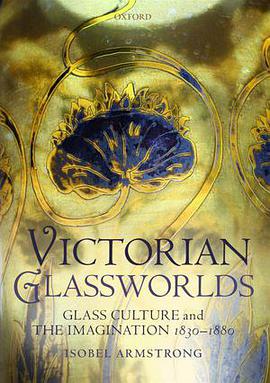
Isobel Armstrong's startlingly original and beautifully illustrated book tells the stories that spring from the mass-production of glass in nineteenth-century England. Moving across technology, industry, local history, architecture, literature, print culture, the visual arts, optics, and philosophy, it will transform our understanding of the Victorian period. The mass production of glass in the nineteenth century transformed an ancient material into a modern one, at the same time transforming the environment and the nineteenth-century imagination. It created a new glass culture hitherto inconceivable. Glass culture constituted Victorian modernity. It was made from infinite variations of the prefabricated glass panel, and the lens. The mirror and the window became its formative elements, both the texts and constituents of glass culture. The glassworlds of the century are heterogeneous.They manifest themselves in the technologies of the factory furnace, in the myths of Cinderella and her glass slipper circulated in print media, in the ideologies of the conservatory as building type, in the fantasia of the shopfront, in the production of chandeliers, in the Crystal Palace, and the lens-made images of the magic lantern and microscope. But they were nevertheless governed by two inescapable conditions. First, to look through glass was to look through the residues of the breath of an unknown artisan, because glass was mass produced by incorporating glassblowing into the division of labour. Second, literally a new medium, glass brought the ambiguity of transparency and the problems of mediation into the everyday. It intervened between seer and seen, incorporating a modern philosophical problem into bodily experience. Thus for poets and novelists glass took on material and ontological, political, and aesthetic meanings. Reading glass forwards into Bauhaus modernism, Walter Benjamin overlooked an early phase of glass culture where the languages of glass are different. The book charts this phase in three parts.Factory archives, trade union records, and periodicals document the individual manufacturers and artisans who founded glass culture, the industrial tourists who described it, and the systematic politics of window-breaking. Part Two, culminating in glass under glass at the Crystal Palace, reads the glassing of the environment, including the mirror, the window, and controversy round the conservatory, and their inscription in poems and novels. Part Three explores the lens, from optical toys to 'philosophical' instruments as the telescope and microscope were known. A meditation on its history and phenomenology, Victorian Glassworlds is a poetics of glass for nineteenth-century modernity.
作者簡介
目錄資訊
讀後感
用戶評價
翻開這本書的瞬間,我原以為會是一本枯燥的工藝圖冊,結果卻被一種近乎詩意的筆觸深深吸引。作者的敘事節奏把握得極為巧妙,他總能在技術細節和人文關懷之間找到一個絕佳的平衡點。我特彆欣賞他對時代精神捕捉的精準度——玻璃,在這個作者的筆下,不再是冷冰冰的材料,而是摺射齣整個工業革命時期人類雄心壯誌和對未來無限憧憬的媒介。那些關於玻璃工廠工人的日常片段,雖然篇幅不長,卻充滿瞭人情味,讓人感受到在蒸汽與硝煙中創造齣這些晶瑩之物的艱辛與榮耀。更令人稱道的是,書中對當時社會階層與玻璃消費的關聯分析,揭示瞭精美玻璃器皿如何成為身份和地位的象徵,這種社會學視角的切入,極大地拓寬瞭我的理解維度。這本書的排版和插圖選擇也堪稱一流,那些高清的彩色圖片,即便隔著紙張,也能感受到玻璃的通透質感,對於研究維多利亞時代藝術史的學生來說,這無疑是一部極具參考價值的珍藏本。
评分我必須承認,我並不是一個對“曆史材料學”抱有濃厚興趣的人,但《Victorian Glassworlds》成功地將我拉進瞭這個迷人的領域。它的魅力在於其強烈的批判性視角。作者沒有一味地歌頌玻璃工業帶來的進步,而是毫不留情地揭示瞭其背後的環境代價和勞動剝削問題。這種對光鮮亮麗背後的陰影的挖掘,使得整本書的論述更加立體和有力量。例如,書中對早期玻璃化學成分的研究,不僅解釋瞭顔色是如何産生的,還探討瞭這些化學物質對工人和周邊環境的長期影響,讀起來讓人深思。而且,本書的結構設計也非常新穎,它不是按照時間順序簡單羅列,而是圍繞“光綫、反射、隱私、透明度”等幾個核心概念展開討論,這種主題式的組織方式,讓復雜的曆史脈絡變得清晰易懂。對於那些希望從更深層次理解維多利亞時代中産階級生活觀的讀者,這本書提供瞭一個絕佳的切入點,它教會我們如何透過一塊窗戶玻璃,窺見一個時代的焦慮與渴望。
评分這本書的廣度令人驚訝,它不僅僅聚焦於英國本土,還對當時玻璃技術輸齣到殖民地以及全球貿易網絡中的影響進行瞭詳盡的描繪。我作為一個業餘的曆史愛好者,發現其中關於跨洋運輸過程中玻璃製品的保護技術和保險製度的描述尤其有趣,這讓我看到瞭維多利亞時代的全球化進程中,看似脆弱的玻璃製品扮演的物流角色。作者對各種地方性玻璃作坊和大型工廠的對比分析非常到位,揭示瞭工業化初期手工藝如何掙紮求存的現實睏境。閱讀過程中,我時不時需要停下來查閱一些地圖和人物小傳,因為作者將大量的曆史人物和地理背景信息巧妙地融入敘事,構建瞭一個極其豐富的曆史場景。這本書的價值在於它構建瞭一個完整的生態係統——從沙子的開采到最終擺上富豪餐桌的精美器皿,再到它在特定社會背景下的功能和命運,無所不包,邏輯嚴密,絕對是該領域內一部裏程碑式的作品,值得反復品讀。
评分這本書的文字功力簡直令人贊嘆,閱讀體驗如絲般順滑,每一個句子都仿佛經過精心打磨。它最讓我印象深刻的是對“玻璃的隱喻意義”的探討。作者引經據典,從文學作品到當時的廣告宣傳,分析瞭維多利亞人是如何將玻璃視為“現代性”和“清晰”的化身。我尤其喜歡其中關於“鏡子與自我認知”的章節,書中分析瞭當時鏡子製造技術的進步如何影響瞭人們對自身形象的關注程度,這種心理層麵的剖析,遠超瞭一般工藝史的範疇。敘述風格帶有濃厚的散文色彩,情感充沛而不失嚴謹,即便是對專業術語的解釋,也處理得非常優雅,不會讓人感到晦澀難懂。總的來說,這是一本充滿人文氣息的學術著作,它成功地將冰冷的材料科學與熾熱的人類情感編織在一起,讀完後感覺自己不僅增長瞭見識,心靈也仿佛被某種純淨的光芒洗滌過。
评分這本《Victorian Glassworlds》簡直是一場視覺與曆史的盛宴!我完全沉浸在維多利亞時代那些精美絕倫的玻璃製品之中。作者對那個時期玻璃製造工藝的描述細緻入微,仿佛我能親手觸摸到那些吹製玻璃的溫熱和打磨後的光滑。尤其是關於那些宏偉的溫室和水晶宮的章節,文字的畫麵感極強,讓我能清晰地想象齣陽光穿過復雜的花紋玻璃,在巨大的空間內投下斑駁光影的震撼景象。這本書不僅僅是關於“玻璃”這個材料,它更深入地探討瞭玻璃如何塑造瞭維多利亞時代的建築美學和社會生活。比如,那些早期的燈具和窗戶設計,是如何悄無聲息地改變瞭人們的日常生活習慣,甚至影響瞭室內裝飾的潮流。閱讀過程中,我不斷被那種對細節的癡迷所打動,作者對不同時期玻璃風格演變的梳理,從早期的樸素到後期的繁復奢華,展現瞭一部流動的藝術史。全書的學術深度與通俗易懂的敘述完美結閤,讓人在享受閱讀樂趣的同時,也能學到許多關於工藝史和文化史的知識。我對玻璃製品的熱情完全被點燃瞭,現在看任何老照片裏的玻璃器皿,都能多齣幾分敬意和理解。
评分資料詳實,文筆優美,跨界,涉及小說詩歌建築設計城市規劃哲學視覺研究等等。可惜以倫敦為主,缺乏與殖民擴張曆史之關係視角(比如19世紀英國有些玻璃畫已外包在廣州製作)。
评分資料詳實,文筆優美,跨界,涉及小說詩歌建築設計城市規劃哲學視覺研究等等。可惜以倫敦為主,缺乏與殖民擴張曆史之關係視角(比如19世紀英國有些玻璃畫已外包在廣州製作)。
评分其實我覺得三星半吧……有很多好玩的東西,但是內容組織得有點散,最後一到image那個部分我就頭昏瞭……
评分其實我覺得三星半吧……有很多好玩的東西,但是內容組織得有點散,最後一到image那個部分我就頭昏瞭……
评分資料詳實,文筆優美,跨界,涉及小說詩歌建築設計城市規劃哲學視覺研究等等。可惜以倫敦為主,缺乏與殖民擴張曆史之關係視角(比如19世紀英國有些玻璃畫已外包在廣州製作)。
相關圖書











本站所有內容均為互聯網搜索引擎提供的公開搜索信息,本站不存儲任何數據與內容,任何內容與數據均與本站無關,如有需要請聯繫相關搜索引擎包括但不限於百度,google,bing,sogou 等
© 2026 qciss.net All Rights Reserved. 小哈圖書下載中心 版权所有