
具体描述
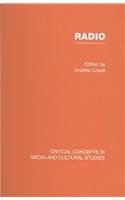
Over the last sixty years or so academic interest in the mass media has burgeoned. It is not, perhaps, surprising that this interest at first focused principally on the visual media of film and television, where it has remained intensive. Nevertheless, serious thinking about radio soon followed. Despite its apparent limitations, were there some advantages that radio enjoyed over the visual media? In what ways, for instance, could it mediate genres like drama and sport, which traditionally depended for their effectiveness on spectacle? Scholars have also examined radio's use of words in comparison with both the image-dominated media of film and television, and the spatial, stable medium of print. Questions in radio studies also abound about the special qualities of sound per se-such as the meaning and functions of music and the ontology of pure sound artefacts known as 'soundscapes', a mainstay of much experimental radio. Other lines of inquiry in the field have included investigations into the social, political, and cultural contexts of radio, prompted by questions about, for example, how broadcasting should be financed and regulated, and what purposes it should serve. And, more recently, radio researchers have grappled with notions of 'community', whether defined by geographical proximity or by commonality of identity or interest. Furthermore, the growth of new media technologies has profound implications for sound broadcasting. How will webcasting and podcasting modify or even transform radio? Indeed, does the growth of interactivity, including audience-generated content, and of time-shifted listening, mean the end of radio as we currently know it? As research on and around these kinds of question continues to flourish as never before, this new title in the Routledge Major Works series, Critical Concepts in Media and Cultural Studies, meets the need for an authoritative reference work to make sense of a rapidly growing and ever more complex corpus of literature, and to provide a map of the area as it has emerged and developed. It is a four-volume collection of foundational and the best cutting-edge scholarship in the field and is organized in three volumes. Volume I ('Radio Theory and Genres') assembles the key work theorizing the medium and its different kinds of contents, most notably news, drama, and 'talk'. Much of the work gathered here is comparative, setting radio and its genres in the context of the visual media of film, television, and theatre, or the 'visible' media of newspapers and books. But the volume also includes linguistic analyses of broadcast talk and work that sees music as in some sense 'radiogenic' and traces its relationship to popular culture. The first volume also includes the best theoretical work exploring abstract sound and 'soundscapes'. Volume II ('History and Institutions') collects the most important work tracing the political evolution of sound broadcasting. Key topics include: the development of the philosophy of public service; issues of policy, notably (de)regulation and competition; and key historical phenomena such as the challenges posed by television, the arrival of the transistor, stereophony and FM broadcasting, the proliferation of wirelesses in cars, and the shift from mixed to streamed broadcasting. Drawing on a wide range of international sources, the final volume of the collection ('Audiences, Identities, and Communities; and Technological Developments') assembles the best scholarship not only on general radio audiences and their patterns of consumption, but also focuses on the particular communities that radio seeks to address, whether geographic, ethnic-, or interest-based. Volume III also includes research on new technology, especially in its latest manifestations in forms such as webcasting. Radio is fully indexed and has a comprehensive introduction, newly written by the editor, which places the collected material in its historical and intellectual context. It is an essential work of reference and is destined to be valued by scholars and students of media and cultural studies, as well as those engaged in more specialized radio courses, as a vital one-stop research resource.
作者简介
目录信息
读后感
用户评价
哇,刚刚合上那本关于深海生物多样性的图文志,我感觉自己像刚从一次失重的海底探险归来!这本书完全颠覆了我对“生命力”的理解。作者的文字带着一种探险家特有的谦卑与激动,描述那些生活在极端环境下的生物时,那种笔触充满了敬畏。它不只是展示那些光怪陆离的深海鱼类,更深入讲解了它们适应高压、无光环境所进化出的奇异生理结构——比如某些生物的生物发光机制,书中用非常易懂的方式解释了化学反应如何转化为冷光,简直像在阅读科幻小说。最让我着迷的是关于热液喷口生态系统的章节,那里生命完全不依赖阳光,而是依靠化学能维持,作者细致描绘了管状蠕虫、盲眼虾蟹它们共同构建的那个“地心花园”,那种生命力之顽强,让人感到既震撼又温暖。这本书的排版设计也极其出色,大量的全景跨页图将那些发光水母和巨型乌贼的神秘感表现得淋漓尽致,色彩对比强烈,视觉冲击力极强。读完后,我对地球的未知领域产生了更深的渴望,这本书成功地将冰冷的科学事实转化成了激动人心的自然传奇,强力推荐给所有对未知世界怀有好奇心的人。
这本书简直是一场味蕾的盛宴!我最近读完了一本关于地方小吃的书,那简直让我恨不得马上订机票去探索每一个被作者生动描绘的角落。作者的文字功力实在是太高超了,他不仅仅是在罗列食材和做法,而是把食物的灵魂都勾勒了出来。比如,他描述那碗热气腾腾的街边牛肉粉,那种用老汤慢炖出来的醇厚感,以及撒上几滴秘制辣椒油后瞬间被激活的香气,隔着纸张我都能“闻”到。更绝的是,他穿插了许多关于那些小吃店老板的故事,他们的家族传承、他们对味道的执着,让这份食物一下子有了温度和历史的厚度。读到关于某个百年老店的酥皮点心那段,我仿佛能感受到烘烤时空气中弥漫的黄油和焦糖的甜香,那种外皮的酥脆和内馅的绵软在口中交织的层次感,被描写得淋漓尽致,简直让人垂涎三尺。这本书的摄影图片也是一绝,色彩饱满,构图精妙,完全是艺术品级别的,每一张照片都像在邀请你伸出手去触碰食物的质感。看完这本书,我对自己家乡那些习以为常的味道都重新有了一种敬畏感,也激发了我对世界各地隐藏美食的强烈好奇心。这是一本绝对值得反复阅读,并且在肚子饿的时候翻阅的“精神食粮”。
我最近拜读了一本关于古代天文观测工具演变史的专业书籍,内容之精深,让我这个门外汉都感到震撼。这本书的叙事主线清晰明了,从最原始的圭表到复杂的浑仪,再到后来的精密望远镜,作者非常详尽地梳理了不同文明在特定历史阶段所能达到的技术极限。书中配有大量的线描图和文物照片,每一个部件的构造、每一个刻度的意义,都被标注得一清二楚,专业性极强。我特别喜欢它对“误差的容忍度”这个概念的探讨。比如,在描述中国古代大型天文台的建造过程中,作者着重分析了工匠们如何通过材料选择和反复校准来克服当时工具和理论上的局限性,这种对古代匠人智慧的赞美,读来令人心潮澎湃。它不仅仅是技术的罗列,更是一部人类认知宇宙的史诗。虽然书中涉及到很多复杂的数学和几何原理,但作者总是能用恰当的比喻将晦涩的概念解释到位,比如,他用“光的舞蹈”来形容星辰位置的测量,瞬间就让画面变得生动起来。对于任何对科学史或精密仪器设计感兴趣的人来说,这本书无疑是殿堂级的参考资料,它让我重新认识到,我们今天习以为常的精确性,背后凝聚了多少代人的心血和对未知世界的敬畏。
这本书,嗯,怎么说呢,它更像是一场关于意识流的数字迷宫探险。我指的是那本探讨后现代哲学与赛博空间伦理的著作。作者的文笔极具个人特色,充满了跳跃性的隐喻和对既有逻辑的颠覆,读起来需要非常高的专注度,甚至有点像在解一个大型的符号谜题。开篇就用一段近乎诗意的、关于数据碎片化存在的描述震撼了我,它迅速将你拉入一个真假难辨的虚拟场域。书中大量引用了德里达和鲍德里亚的理论,但又试图用更贴近互联网时代语境的语言去重新阐释,探讨了“自我”在算法推荐和匿名交流中如何被重塑和消解。最让我印象深刻的是关于“注意力经济”的批判部分,作者将我们的每一次点击、每一次停留,都描绘成一种被精确计算和榨取的能源,这种“被观看”的焦虑感,读完后萦绕心头久久不散。这本书的结构本身也是非线性的,章节之间的联系需要读者自己去建立,这可能对部分习惯于传统线性叙事的读者构成挑战,但我恰恰喜欢这种需要主动参与构建意义的过程。它不是一本用来消磨时间的读物,而是一次对思维边界的挑战和拓展。
我刚读完一本关于十九世纪欧洲社会风俗变迁的鸿篇巨制,说实话,这本书的深度和广度都超出了我的预期。作者以极其严谨的考据和宏大的叙事结构,将工业革命初期到世纪末的社会肌理,从贵族的沙龙到工人的煤矿,描绘得丝丝入扣。我尤其欣赏作者在处理复杂历史事件时的那种冷静和多角度的审视,他没有简单地进行道德评判,而是深入挖掘了经济结构、科技进步与人们日常观念转变之间的复杂互动关系。比如,关于女性服饰从繁复到简化的讨论,书中不仅分析了实用主义的兴起,还探讨了它背后所反映的社会阶层流动和性别角色的微妙松动,这种跨学科的分析视角非常新颖。阅读过程中,我感觉自己仿佛戴上了一副特殊的眼镜,能清晰地看到那些被时代洪流裹挟着的个体命运,他们的希望、挣扎与妥协。书中的一些注释和引用的原始文献资料非常详实,可以看出作者付出了惊人的心血。虽然有些章节关于人口统计学和贸易路线的论述略显晦涩,但整体而言,对于想深入了解那个关键历史时期的读者来说,这本书提供了无与伦比的细节和深刻的洞察力。读完后,我对现代社会的许多基础观念都有了更清晰的溯源。